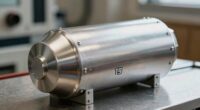
Recovery rides on smart trainers can go wrong if your power calibration isn’t accurate or if your trainer’s settings aren’t adjusted for recovery. Overestimating your power can push you too hard, while underestimating can make the ride feel too easy, reducing benefits. Ignoring body signals like fatigue or soreness can lead to overtraining. Proper calibration, tailored settings, and body awareness are key. Keep going to discover how to optimize your recovery rides effectively.
Key Takeaways
- Improper calibration causes inaccurate power readings, leading to over- or under-exertion during recovery rides.
- Default trainer settings and profiles are often too high in intensity, hindering proper recovery effort.
- Resistance levels and workout programs may not be adjusted for recovery, risking overtraining or insufficient effort.
- Lack of regular calibration results in inconsistent feedback, compromising the effectiveness of recovery sessions.
- Ignoring perceived exertion and body cues can lead to overexertion despite data suggesting low effort.
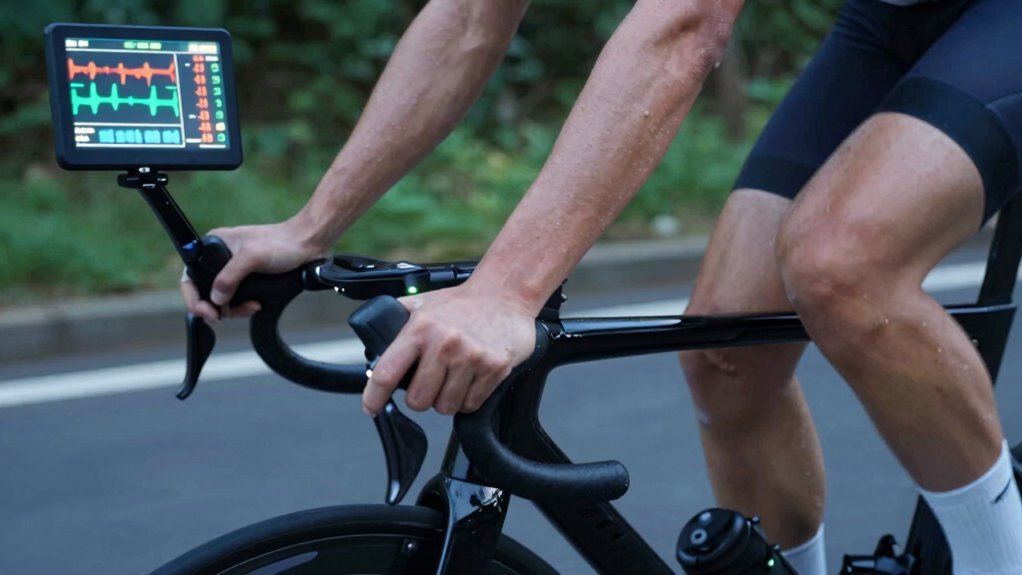
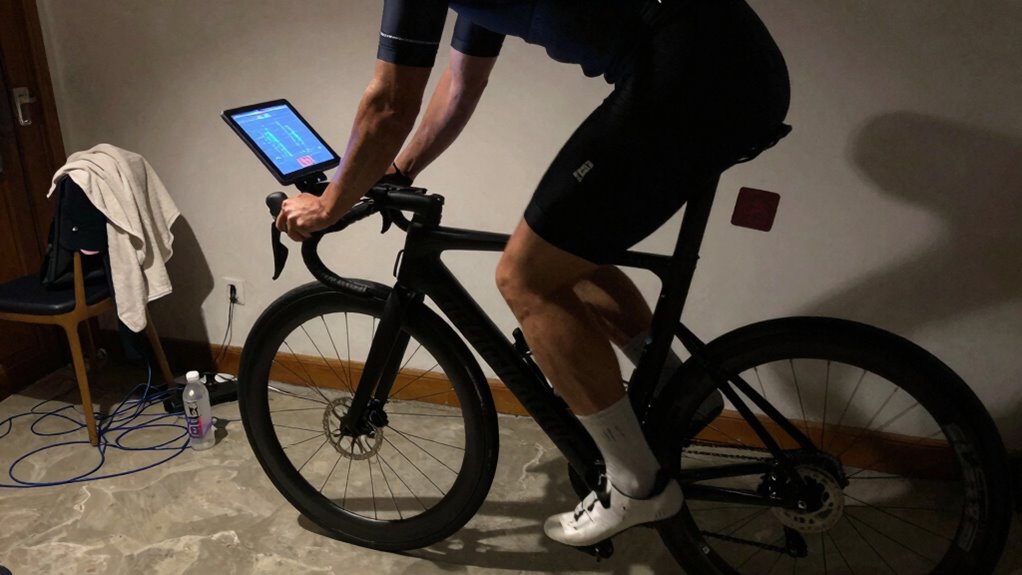
Another reason recovery rides go wrong is related to power calibration. Smart trainers rely heavily on accurate power readings to gauge effort, but if your system isn’t properly calibrated, you could be riding at a higher intensity than you realize. This miscalibration might cause your trainer to overestimate the power you’re producing, pushing you into zones that are too intense for recovery. Conversely, underestimating your power can lead to a ride that feels too easy, but doesn’t deliver the intended recovery benefits. Proper power calibration is critical; it ensures that your trainer provides reliable feedback, so you can keep your effort within the ideal zone for recovery. Many riders overlook this step or forget to recalibrate regularly, which leads to inconsistent training sessions and ineffective recovery rides.
Furthermore, your smart trainer’s settings and software can influence how well your recovery rides turn out. If your device isn’t set to a recovery-specific profile, you might end up with a ride that’s too demanding or too easy. Sometimes, the default settings are optimized for high-intensity interval sessions rather than recovery rides. Adjusting your trainer’s resistance levels and workout programs is essential to match your recovery goals. It’s tempting to stick with familiar routines, but it’s better to customize your settings to avoid the common pitfalls of overexertion or insufficient effort.
Additionally, understanding power calibration and how it impacts your training can help you make more informed adjustments and improve your recovery outcomes. Finally, it’s worth noting that mental cues and perceived exertion matter just as much as data. Even with accurate power calibration and correct training protocols, if you’re not paying attention to how you feel, you might push harder than you should. Smart trainers provide valuable feedback, but you’re the one controlling how you interpret and respond to that data. Recognizing the signs of overdoing it—such as excessive fatigue or soreness—can help you stay on track. Overall, understanding how to properly calibrate your equipment, tailor your workouts, and listen to your body is key to making your recovery rides truly effective.
smart trainer power calibration tool
As an affiliate, we earn on qualifying purchases.
As an affiliate, we earn on qualifying purchases.
Frequently Asked Questions
Can Recovery Rides Be Done Without a Power Meter?
Yes, you can do recovery rides without a power meter by focusing on your heart rate to monitor workout intensity. Keep your heart rate in the low recovery zone, around 50-60% of your maximum, to guarantee you’re not overexerting. This approach helps you stay within the appropriate intensity level, promoting recovery without the need for precise power data. Listening to your body remains key for effective recovery rides.
How Do I Ensure Proper Cadence During Recovery Rides?
Think of your cadence as the heartbeat of your recovery ride—steady and calm. To guarantee proper cadence, focus on maintaining consistency by choosing the right gear that matches your desired pedal speed. Use your smart trainer’s feedback to monitor cadence, making small adjustments to keep it smooth. With deliberate gear selection and attention to cadence consistency, your ride becomes a harmonious symphony of recovery, fostering true rest and renewal.
What Is the Ideal Duration for Recovery Rides?
For recovery rides, aim for about 30 to 60 minutes, focusing on staying in low heart rate zones to promote recovery. During this time, pay attention to nutrition timing; eat a light snack beforehand to fuel the ride without overexerting. Keep your cadence steady and relaxed, ensuring you don’t push into higher heart rate zones. This balance helps your body recover efficiently without risking overtraining or fatigue.
How Does Indoor Humidity Affect Recovery Ride Quality?
Indoor humidity levels directly impact your recovery ride quality. If humidity is too high, indoor air quality deteriorates, making you feel sluggish and uncomfortable. Conversely, low humidity can cause dehydration and dry skin. You should regulate humidity levels by ventilating your space and using a dehumidifier or humidifier as needed. Proper humidity level management ensures better air quality, keeps you comfortable, and enhances your recovery ride effectiveness.
Should I Adjust Resistance Settings for Recovery Rides?
A stitch in time saves nine, so yes, you should adjust resistance settings for recovery rides. Start with resistance calibration to guarantee your trainer’s output matches your effort. Keep in mind, trainer compatibility varies, so avoid pushing resistance too high; recovery rides should be gentle. Adjustments help maintain a low intensity, preventing overexertion and ensuring your ride promotes recovery rather than fatigue.
recovery ride training software
As an affiliate, we earn on qualifying purchases.
As an affiliate, we earn on qualifying purchases.
Conclusion
Recovery rides on smart trainers can easily go off track if you’re not careful, but understanding common pitfalls helps you stay on course. Did you know that improper recovery can reduce your training efficiency by up to 30%? By paying attention to your ride intensity and duration, you guarantee your body truly benefits from rest, leading to better performance. Keep your recovery rides intentional and mindful, and you’ll see improvements without risking burnout or injury.
bike trainer resistance adjustment
As an affiliate, we earn on qualifying purchases.
As an affiliate, we earn on qualifying purchases.
smart trainer calibration kit
As an affiliate, we earn on qualifying purchases.
As an affiliate, we earn on qualifying purchases.