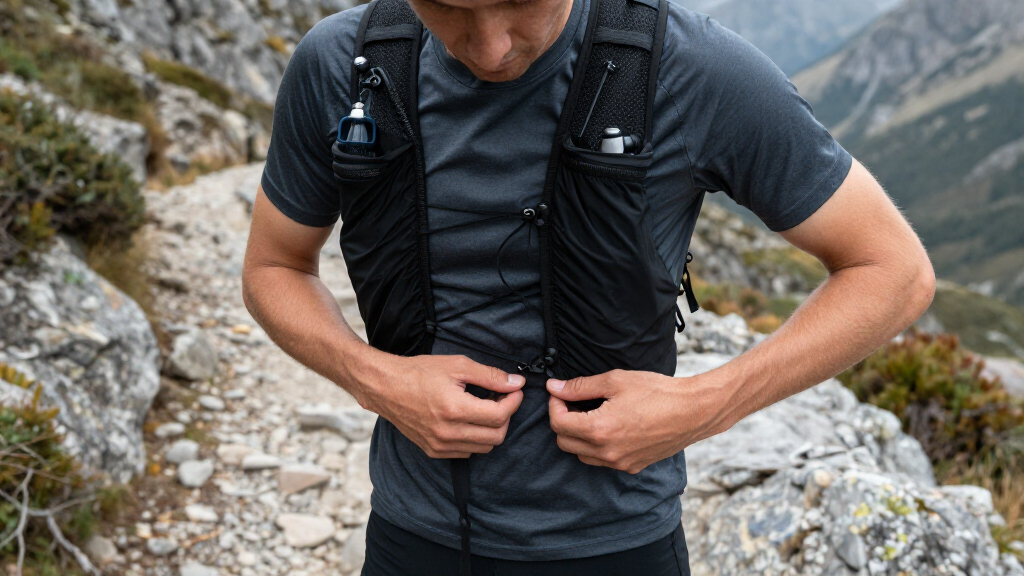

The best mountain biking backpack for most riders in 2026 is the Osprey Raptor 14L, which pairs a dedicated tool wrap with a 2.5L Hydraulics reservoir and a stable, bike-specific fit. If you ride race pace and hate pack bounce, the USWE Airborne Limited Race Edition is the standout premium pick thanks to its four-point harness, while the N NEVO RHINO proves a full hydration setup can cost less than a tank of gas. The core tradeoff in this category is capacity versus stability: bigger packs carry more but shift around on rough descents, and cheap packs include bladders but skimp on fit systems. I compared 12 mountain biking backpacks across trail, race, and budget categories to sort out which tradeoffs actually matter on the trail. Read on for the full breakdown of every pick, who each one suits, and who should skip it.

Get sports gear delivered free with Prime
- Fast, free delivery on millions of items
- Prime Video, Amazon Music and more included
- Member-only deals all year
Complete the kit


Key Takeaways
- Osprey’s Raptor 14L took the top spot because it’s the only pack in this lineup that balances tool organization, a quality reservoir, and all-day stability without a race-fit compromise.
- Bounce control separated the field: USWE‘s four-point harness packs beat every budget option on stability, which matters far more on a bike than it does on foot.
- Budget packs under $40 — N NEVO RHINO, Everfun, and the generic 18L insulated pack — all include bladders, but you give up hose quality, back-panel ventilation, and a ride-stable fit.
- Capacity split into two clear camps: 6-9L race and short-ride packs versus 14-18L all-day haulers. Most trail riders overbuy storage they never fill, and the extra volume bounces.
- Niche designs earned their spots honestly: the Arctos lumbar pack shifts weight off tired shoulders, the Oumurs suits moto crossovers with its tool pouch and rain cover, and the MARCHWAY serves riders who want molle customization over bike-specific features.


| mountain biking backpack | Dimensions | Material | Capacity | Weight |
|---|---|---|---|---|
| Osprey Raptor 14L Men’s Mounta | 18.5H x 11W x 10.6D in | — | 14L | 2.22 lb |
| USWE Airborne Limited Race Edi | — | — | — | — |
| Oumurs 15L Motocross Backpack | 18.5 x 7.5 x 6.5 in | 600D TPU-coated nylon | 15L | 3 lbs |
| Insulated Hydration Backpack w | — | BPA-free TPU | — | — |
| Mountain Bike Hydration Pack w | 12H x 12W x 6.5D in | 210D ripstop nylon | — | 2.5 lbs |
| USWE Airborne Limited Race Edi | — | — | 9 Liters | — |
| 15L Waterproof Hiking Backpack | — | Water-resistant ripstop oxford cloth | 15L | 1.06 lbs |
| USWE MTB Hydro Hydration Pack | — | — | — | — |
| Small Mountain Biking Backpack | 18 x 8.6 x 2 in | — | 6L | 1.1 lbs |
| N NEVO RHINO Hydration Backpac | 7.4 x 3.5 x 15.7 in | High-density nylon, waterproof fabric | — | — |
| Everfun Hydration Backpack 18L | 18.5" x 10.5" x 6" | High-density nylon | 18L | 1.74 lbs |
| MARCHWAY Tactical Molle Hydrat | 19.5" x 8.7" x 2.6" | 1000D water-repellent nylon | — | — |
More Details on Our Top Picks
Osprey Raptor 14L Men’s Mountain Biking Backpack with Hydraulics Reservoir
The Osprey Raptor 14L earns the top spot because it balances the three things that matter most on a trail ride: stability, storage, and hydration. Its bike-specific harness keeps the 14L load planted through rock gardens, and the included 2.5L Hydraulics reservoir matches the USWE Airborne’s bladder while offering four times the cargo room. Compared with the budget Insulated Hydration Backpack, the Raptor’s internal organization and hipbelt pockets feel purpose-built rather than adapted from a hiking design. The tradeoff is weight: at 2.22 lb it sits heavier than the featherweight USWE, and riders who only carry a multi-tool and a phone will pay for capacity they never fill. For everyone else, this is the most complete pack here.
Pros:- Bike-specific harness keeps loads stable on rough descents
- 2.5L Hydraulics reservoir included, no separate purchase
- Stretch mesh hipbelt pockets keep snacks and tools within reach
- 14L capacity covers full-day rides without feeling bulky
Cons:- Heavier than race-focused packs like the USWE Airborne
- Limited color options
- Overkill for riders who only carry the basics
Best for: All-day trail riders who want one pack that carries water, tools, layers, and snacks without bounce
Not ideal for: Minimalist racers and short-loop riders — the 2.22 lb weight and 14L capacity are more pack than a 90-minute ride needs
- Capacity:14L
- Reservoir:2.5L Hydraulics (included)
- Weight:2.22 lb
- Dimensions:18.5H x 11W x 10.6D in
- Pockets:Stretch mesh hipbelt pockets
- Fit:Bike-specific harness system
Our verdict“The pack I’d hand to any mountain biker who wants one bag that does everything well.”
USWE Airborne Limited Race Edition Hydration Backpack with Water Bladder
The USWE Airborne Limited Race Edition is what I point racers toward when every gram counts. Its patented bounce-free harness is the whole pitch: the pack hugs the torso so tightly that it effectively disappears on descents, something the larger Osprey Raptor 14L can’t match at speed. At 415 g without the bladder, it’s the lightest pack in this lineup by a wide margin. The compromise is capacity — just 3 liters of storage plus the included 2L bladder means a jacket, a bar, and a multi-tool are about the limit, so all-day epic riders should look at the Osprey or the 18L Insulated Hydration Backpack instead. The race-cut fit also runs snug on torsos above 43 inches. For short, hard efforts, nothing else here rides this clean.
Pros:- Patented harness delivers a genuinely bounce-free fit
- Lightest pack in the roundup at 415 g
- 2L hydration bladder included
- Low profile stays stable under an aggressive riding posture
Cons:- Only 3L of gear storage — no room for spare layers
- Snug fit can pinch torsos above 43 inches
- Race-focused design is awkward for casual or commuting use
Best for: Cross-country racers and riders doing sub-two-hour efforts who want hydration with zero bounce and minimal weight
Not ideal for: All-day riders who need to carry layers, tools, and food — 3L of storage fills up fast
- Total Storage:3L
- Hydration Bladder:2.0L / 70 oz (included)
- Pack Weight:415 g (excl. bladder)
- Torso Range:33–43.3 in (84–110 cm)
- Harness:Patented bounce-free system
- Intended Use:Racing / high-intensity riding
Our verdict“Buy this if your rides are measured in minutes per mile, not hours — it’s the purest race pack here.”
Oumurs 15L Motocross Backpack, Lightweight Off-Road Riding Backpack with Tool Pouch and Rain Cover
The Oumurs 15L comes from the motocross world, and that shows in its priorities: this is the pack for riders who carry real gear. A full-opening main compartment swallows kneepads or a jacket, the separate tool pouch keeps trailside repair kit organized instead of rattling loose, and the included rain cover is something neither the Osprey Raptor 14L nor the USWE Airborne packs in. The 600D TPU-coated nylon shell shrugs off mud and crashes better than the lighter fabrics here. The cost is weight — 3 lbs empty, nearly double the Osprey — and hydration tops out at a 2L bladder you supply yourself. Riders who pedal all day will feel that heft. Riders who shuttle, session jumps, or mix dirt bike and MTB days won’t care.
Pros:- Separate tool pouch keeps repair kit sorted and reachable
- Full-opening main compartment makes packing pads and layers easy
- Rain cover included for wet-weather protection
- Tough 600D TPU-coated nylon stands up to crashes and mud
Cons:- 3 lbs empty — noticeably heavy for long pedal days
- Hydration bladder not included and capped at 2L
- Straps may need fiddling to dial in the fit
Best for: Shuttle riders, bike-park regulars, and multi-sport riders who haul pads, tools, and layers and want everything organized
Not ideal for: Weight-conscious pedalers — at 3 lbs empty it’s the heaviest pack in this roundup before you add water
- Capacity:15L
- Weight:3 lbs
- Dimensions:18.5 x 7.5 x 6.5 in
- Material:600D TPU-coated nylon
- Lining:230D twill polyester
- Hydration Compatibility:2L bladder (not included)
- Included Accessories:Tool pouch, rain cover
Our verdict“The right call for riders who treat their pack like a gear locker, not a water bottle.”
Insulated Hydration Backpack with 3L Water Bladder, 18L Leak-Proof Hiking Daypack for Outdoor Sports
Where the Osprey Raptor 14L wins on refinement, the Insulated Hydration Backpack wins on numbers: 3L of water, 18L of storage, and an insulated bladder sleeve that keeps drinks cold past the four-hour mark. That insulation is the reason to buy it — on exposed summer climbs, lukewarm water from an uninsulated pack like the USWE Airborne is a real morale problem. The helmet net and chest fit range up to 50 inches broaden its appeal beyond the bike. The tradeoffs are polish and provenance: the generic branding means less trail-tested refinement than Osprey or USWE, the air-mesh back runs warmer than premium suspended panels, and a full 3L load plus 18L of gear gets heavy fast. For the money, though, nothing here carries more.
Pros:- Insulated sleeve keeps 3L of water cold for 4+ hours
- 18L storage plus helmet net covers bikes, hikes, and festivals
- Wide 27–50 inch chest range fits most body types
- BPA-free TPU bladder is leak-proof and easy to clean
Cons:- Fully loaded with 3L of water, it gets heavy quickly
- Less refined fit and finish than premium packs like Osprey
- Hydration system needs regular cleaning to stay fresh
Best for: Riders in hot climates who want maximum cold water and storage capacity without paying premium-brand prices
Not ideal for: Riders who prioritize refined fit and brand-backed durability — this trades polish for capacity and price
- Water Capacity:3L insulated bladder (included)
- Storage Capacity:18L
- Material:BPA-free TPU
- Back Padding:Breathable air-mesh
- Chest Size Range:27–50 in
- Extras:Helmet net, quick-access pockets
- Insulation:Keeps water cold 4+ hours
Our verdict“The pick for summer riders who measure a good pack in ounces of cold water, not brand cachet.”
Mountain Bike Hydration Pack with Bladder – Arctos Lumbar MTB Hydration Backpack
The Arctos Lumbar rethinks where a pack should sit: low on the hips instead of high on the shoulders. That lumbar carry keeps weight off the upper back, which riders with shoulder or neck fatigue will appreciate on long climbs, and the low center of gravity genuinely resists bouncing on descents — the same promise USWE makes with harness tension, solved here with geometry. Large wing pockets put tools and snacks within reach without removing the pack, a trick the Osprey Raptor 14L only matches at the hipbelt. The downsides: at 2.5 lbs it’s no featherweight, the 12×12 inch footprint holds less than the 15L Oumurs, and riders under 5’5″ report fit issues. For riders who dislike shoulder straps, it’s the standout alternative in this lineup.
Pros:- Lumbar design offloads shoulders and stays planted on descents
- Large wing pockets accessible without taking the pack off
- Durable 210D ripstop nylon with YKK zippers
- Breathable mesh straps reduce sweat buildup
Cons:- Limited adjustment for riders under 5’5″
- 2.5 lbs is heavy relative to its compact storage volume
- Hip carry can feel unfamiliar to riders used to traditional packs
Best for: Riders with shoulder or neck issues, and anyone who prefers hip-carried weight and quick-access pockets on long rides
Not ideal for: Petite riders under 5’5″ — the one-size harness runs long, and sizing may need confirming with the seller first
- Fit:One size, riders 5’5″–6’4″
- Weight:2.5 lbs
- Dimensions:12H x 12W x 6.5D in
- Material:210D ripstop nylon
- Bladder:Included
- Carry Style:Lumbar with wing pockets
- Zippers:YKK
Our verdict“If shoulder straps ruin your rides, this lumbar pack is the fix — everyone else can stick with a conventional fit.”
USWE Airborne Limited Race Edition Hydration Backpack with Water Bladder, 9L, Black Grey
If I had to pick one pack here that balances cargo, water, and fit, the USWE Airborne Limited Race Edition is where I’d land. Its patented bounce-free harness is the real story: instead of cinching down with a waist belt like the 15L Waterproof Hiking Backpack, it hugs the chest so the load stays planted on rock gardens and drops. Compared with the USWE MTB Hydro, you get far more room — 9 liters of storage plus a 3-liter bladder versus a 3-liter main compartment — which makes this the better call for all-day epics rather than short race loops. The tradeoff is snugness: riders outside the 33–43.3 inch torso range will find it tight, and the race-cut profile is overkill for casual path cruising. It’s also the priciest-feeling option in this lineup, and color choice is limited to black grey.
Pros:- Patented bounce-free harness keeps the pack planted on rough descents
- 9L storage plus an included 3L bladder covers full-day rides
- Light at 600 g without the bladder for its capacity class
- Multiple pockets and gear attachment points organize tools and layers
Cons:- Snug race fit excludes torsos outside the 33–43.3 inch range
- Only one color option
- Overbuilt for casual commuting or mellow path use
Best for: Riders tackling long, technical trail days who want maximum water capacity and a locked-in fit
Not ideal for: Casual path riders and cyclists outside the 33–43.3 inch torso range — the snug race cut won’t fit or suit them
- Capacity:9 Liters
- Hydration Bladder:3.0L (100 oz), included
- Pack Weight:600 g (excl. bladder)
- Torso Fit Range:33–43.3 in (84–110 cm)
- Harness:Patented bounce-free system
- Gear Storage:Multiple pockets + attachment points
- Color:Black Grey
Our verdict“The pack I’d choose for big mountain days when water capacity and zero bounce both matter.”
15L Waterproof Hiking Backpack, Small Bike Cycling Backpack for Men and Women
For riders who’d rather spend money on tires than luggage, this 15L waterproof pack covers the basics without the premium pricing of the USWE race packs. The ripstop oxford fabric shrugs off rain and trail spray, and at just over a pound it carries lighter than the N NEVO RHINO while offering more than double the cargo room of the 6L daypack. Reflective strips, an emergency whistle, and a helmet holder are practical touches I rarely see grouped together at this level. The catch is hydration: there’s a reservoir sleeve but no bladder in the box, so budget for an extra purchase before your first ride. Hand-wash-only care is mildly annoying after muddy outings, and 15 liters runs short for multi-day trips. Compared with the USWE options, the fit system is basic — fine for moderate trails, less composed on rowdy descents.
Pros:- Genuine value: 15L capacity, helmet holder, and safety extras at a budget level
- Water-resistant ripstop oxford cloth handles rain and abrasion
- Reflective strips and emergency whistle boost low-light safety
- Very light at just over a pound
Cons:- Hydration reservoir not included despite the dedicated sleeve
- Hand-wash-only care after muddy rides
- Basic strap system bounces more than harness-equipped rivals on rough terrain
Best for: Budget-conscious riders who want one affordable bag for biking, hiking, and everyday use
Not ideal for: Aggressive downhill riders — the simple chest-and-waist straps won’t hold as steady as a race harness on chunk
- Capacity:15L
- Weight:1.06 lbs
- Material:Water-resistant ripstop oxford cloth
- Hydration:Reservoir sleeve (bladder not included)
- Safety:Reflective strips + emergency whistle
- Extras:Helmet holder
- Straps:Adjustable chest and waist
- Care:Hand wash only
Our verdict“Buy this if you want the most bag per dollar and don’t mind supplying your own bladder.”
USWE MTB Hydro Hydration Pack with Hydration Bladder for Cycling and Mountain Biking
The USWE MTB Hydro is the opposite philosophy from the Airborne: strip cargo to the bone and let water do the talking. The main compartment holds just 3 liters — reducible to 2 — but the No Dancing Monkey 1.2 harness locks the pack against your chest with zero slosh, which matters more than pockets when you’re racing between tape. The included 2-liter bladder opens wide for ice and cleaning, a detail the budget packs here skip. I’d pick it over the 6L daypack for short, hard efforts where stability beats storage. Honest caveats: customer satisfaction ratings run low, the brand publishes no weight or fabric specs, and with only 3 liters of room you’ll need a second solution for tools and layers on longer rides. It’s a specialist, not an everyday bag.
Pros:- No Dancing Monkey 1.2 harness delivers a genuinely bounce-free race fit
- Included 2L bladder opens wide for ice and easy cleaning
- Volume compresses from 3L to 2L for race-day minimalism
- Reflective details and ventilated straps add safety and comfort
Cons:- Low customer satisfaction ratings raise quality-control questions
- Only 3L of storage — too little for tools, layers, and food on long rides
- No published weight or material specs to judge long-term wear
Best for: Racers and short-loop riders who prioritize a locked-down fit over cargo space
Not ideal for: All-day trail riders — 3 liters of storage won’t carry the kit a backcountry epic demands
- Hydration Capacity:2.0L (70 oz), included
- Main Storage:3L (compressible to 2L)
- Chest Fit Range:33–43 in (84–110 cm)
- Harness:No Dancing Monkey 1.2
- Bladder Design:Wide opening, ice-compatible, easy clean
- Visibility:Reflective details
- Shoulder Straps:Ventilated
Our verdict“A hydration-first specialist for short, hard efforts — look elsewhere for all-day storage.”
Small Mountain Biking Backpack Lightweight 6L Daypack for MTB, Hiking, Skiing, Snowboarding
Some rides only call for a tube, a multitool, and water, and this 6L daypack is sized exactly for that. At 18 x 8.6 x 2 inches and 1.1 pounds, it disappears against your back in a way the 15-liter waterproof option never will, and the slim profile suits lift-access laps, ski days, and crowded trailheads alike. Adjustable straps and reflective strips cover fit and dusk visibility, and a headphone output is a small nicety the USWE race packs skip — one I appreciate for solo spins. The compromises are real, though. No reservoir comes included despite the 2-liter hydration sleeve, so it’s not ride-ready out of the box. Storage beyond essentials is nil — forget pads or a jacket. And with no material specs published, long-term abrasion resistance is a question mark next to the ripstop build of the 15L pack.
Pros:- Slim 2-inch profile and 1.1 lb weight disappear on the back
- Adjustable straps keep the small load stable across sports
- Headphone output and reflective strips add convenience and visibility
- Cross-sport versatility for MTB, hiking, skiing, and snowboarding
Cons:- No water reservoir included despite the 2L-compatible sleeve
- 6 liters holds essentials only — no room for pads or a jacket
- Unspecified materials make durability hard to judge
Best for: Minimalists and lift-access riders who carry only a tube, tool, and water
Not ideal for: Self-sufficient backcountry riders — there’s no space for the layers and spares remote trails require
- Capacity:6L
- Dimensions:18 x 8.6 x 2 in
- Weight:1.1 lbs
- Hydration:Sleeve fits up to 2L (bladder not included)
- Audio:Headphone output port
- Visibility:Reflective strips
- Intended Use:MTB, hiking, skiing, snowboarding
Our verdict“The right pick when your whole kit fits in a slim sleeve plus water.”
N NEVO RHINO Hydration Backpack, Lightweight Hiking Water Pack with 70 oz Water Bladder
The N NEVO RHINO is the pack I’d hand someone buying their first MTB setup. Unlike the 6L daypack and the 15L waterproof option, it ships with a 2-liter BPA-free bladder, so there’s nothing extra to source before hitting the trail. The breathable mesh back panel and adjustable straps keep it comfortable on two-hour rides, and the chest pockets put snacks and a phone within reach — friendlier organization than the single-compartment USWE MTB Hydro. Where it gives ground is scale: 2 liters of water runs dry on all-day summer rides, and taller or broader riders may find the small frame sits awkwardly. There’s also no tube cleaning kit included, so maintenance takes an extra purchase. For newer riders building the hydration habit, though, it removes every excuse not to bring water.
Pros:- Comes trail-ready with a 2L BPA-free bladder included
- Breathable mesh back panel manages heat on long climbs
- Multiple chest pockets keep snacks and phone accessible
- Lightweight, forgiving carry for newer riders
Cons:- 2L water capacity runs short on all-day summer rides
- No hydration tube cleaning kit included
- Small frame may fit large or tall riders awkwardly
Best for: New mountain bikers and casual riders who want a complete, affordable hydration setup out of the box
Not ideal for: Endurance riders — 2 liters of water won’t cover desert epics or all-day summer missions
- Water Capacity:70 oz (2L), included
- Bladder Material:BPA-free
- Dimensions:7.4 x 3.5 x 15.7 in
- Material:High-density nylon, waterproof fabric
- Back Panel:Breathable mesh
- Pockets:Multiple chest pockets
- Straps:Fully adjustable
Our verdict“The easiest first hydration pack to recommend: everything’s included, nothing’s intimidating.”
Everfun Hydration Backpack 18L with Water Bladder 2L/3L
Among this lineup, the Everfun 18L is the pack I’d point riders toward when storage matters as much as hydration. Its 18-liter capacity dwarfs the Small Mountain Biking Backpack’s 6L and even edges past the Osprey Raptor 14, so it swallows layers, tools, and lunch without complaint. The insulated bladder sleeve keeps water cold for up to six hours, which the MARCHWAY Tactical can’t match — a real difference on exposed summer climbs. I also like that a rain cover and reflective strips come standard rather than as paid add-ons. The tradeoff is bulk: at 18.5 inches tall it sits larger on the back than race-cut options like the USWE Airborne, and riders chasing a tight, bounce-free fit on aggressive descents may find it shifts more than those harness-style packs. The included 2L bladder is modest for all-day epics, though it accepts a 3L upgrade.
Pros:- Generous 18L storage beats most trail-specific packs for all-day gear
- Insulated sleeve keeps water cold up to 6 hours
- Rain cover and reflective strips included at no extra cost
- Bladder compartment accepts a 3L upgrade
Cons:- Taller, bulkier profile than race-cut packs and can shift on rough descents
- Included 2L bladder is small for genuine all-day rides
- Snug fit may not suit broader frames
Best for: Riders tackling long, varied outings who need room for layers, tools, and food alongside cold water
Not ideal for: Racers and technical descenders who want a low-profile, bounce-proof harness like the USWE options
- Capacity:18L
- Water Bladder:2L / 70oz included (fits 3L)
- Material:High-density nylon
- Weight:1.74 lbs
- Dimensions:18.5″ x 10.5″ x 6″
- Insulation:Keeps liquids cold up to 6 hours
- Extras:Rain cover, reflective strips, adjustable straps
Our verdict“The right pick for trail riders who prioritize cold water and cargo room over a race-tight fit.”
MARCHWAY Tactical Molle Hydration Pack Backpack with 3L TPU Water Bladder
The MARCHWAY Tactical Molle takes a different path from trail-specific packs like the Osprey Raptor 14: instead of bike-tuned ergonomics, it bets on rugged 1000D water-repellent nylon and MOLLE webbing that lets riders bolt on pouches and configure storage their own way. The 3L TPU bladder is the largest stock reservoir here — a full liter more than the Everfun 18L’s included 2L — so it suits riders who drink heavily or ride far between refills. I see it as the value play in this roundup: durable, adaptable, and priced well below the USWE options. The compromise is refinement. Its slim 2.6-inch profile carries little beyond water and small essentials, there’s no insulation to keep drinks cold the way the Everfun manages, and the tactical harness lacks the ventilated, bounce-control back panels that keep the USWE MTB Hydro steadier on rough singletrack.
Pros:- Largest included bladder in the roundup at 3L
- Tough 1000D water-repellent nylon shrugs off abrasion
- MOLLE webbing allows fully customizable storage
- Costs far less than bike-specific packs
Cons:- Slim profile fits little beyond water and small essentials
- No insulation, so water warms up on hot rides
- Harness stability trails purpose-built MTB packs on technical terrain
Best for: Budget-conscious riders who want maximum water capacity and modular, add-your-own-pouch storage
Not ideal for: Riders who carry bulky gear or want cold drinks — there’s no insulation and almost no cargo volume
- Material:1000D water-repellent nylon
- Water Capacity:3L TPU bladder included
- Dimensions:19.5″ x 8.7″ x 2.6″
- Storage System:MOLLE webbing for modular attachments
- Fit:Adjustable shoulder, chest, and waist straps
- Included:Hydration bladder, adjustable straps, MOLLE webbing
Our verdict“A smart buy for riders who value big hydration and modular toughness over storage space and polish.”

How We Picked
I ranked these 12 packs the way a rider should shop for them: stability first, hydration second, storage third. A backpack on a mountain bike lives a harder life than one on a hiking trail — it gets bounced through rock gardens, sweated through on climbs, and dropped in the dirt at trailheads. So fit systems and bounce control carried the most weight in my scoring, followed by bladder and hose quality, since leaky bite valves and kinked hoses are the top complaints in this category. Pocket layout, weight, back-panel ventilation, and price rounded out the criteria, and bike-specific designs were favored over generic hiking packs repurposed for riding.
That logic explains the order. The Osprey Raptor 14L leads because it does everything well rather than one thing perfectly. USWE’s race packs sit near the top because their harness genuinely solves bounce, the single biggest annoyance riders report. The budget hydration packs rank lower not because they’re poor value — several are excellent for the money — but because their basic strap systems and entry-level reservoirs can’t match the ride quality of purpose-built MTB packs. Niche entries like the Arctos lumbar pack and the MARCHWAY tactical pack round out the list for riders with specific needs that mainstream packs ignore.
Factors to Consider When Choosing Mountain Biking Backpacks
The reviews above cover what each pack does well and where each one falls short. This section steps back to the broader decisions: how much capacity you actually need, where your money goes at each price tier, and the buying mistakes I see riders repeat most often.
Match Capacity to Your Longest Real Ride
Capacity is the first filter, and it’s where most riders overshoot. For rides under two hours, a 6-9L pack carries water, a tube, and a multi-tool with room to spare — that’s the logic behind compact options like the 6L daypack and USWE’s 9L Airborne in this roundup. The 14-15L range is the sweet spot for three-to-four-hour trail days, adding space for a jacket, snacks, and a small first-aid kit. Packs at 18L and above only make sense for all-day epics, shuttle days where you haul armor, or riders carrying camera gear and extra layers. Keep the water math in mind: every liter adds a full kilogram, so a 3L bladder plus 18L of gear gets heavy fast on climbs. My advice after comparing this lineup: buy for your longest regular ride, not your once-a-year epic — you can always strap a bottle to the frame that one time. Riders who overbuy capacity end up with a floppy, half-empty pack that bounces more and carries worse.
Why Stability Matters More on a Bike Than on Foot
On a hiking trail, a loose pack is annoying. On a mountain bike descent, a loose pack shifts your center of gravity mid-corner and pulls you off line, so bounce control is a safety feature, not a luxury. This is the single biggest divider in the roundup. Premium packs like the USWE Airborne use a four-point harness that stretches with your breathing and locks the load to your torso; conventional packs rely on two shoulder straps and a sternum strap, which always allow some sway. Hip belts help on bigger packs by moving weight off your shoulders, but they only work when the pack matches your torso length. Budget packs under $40 almost universally use basic strap systems, which is fine at casual pace and frustrating at race pace. If you ride aggressive terrain, weight the harness heavily in your decision — it matters more than any pocket layout.
Judge the Bladder and Hose, Not Just the Bag
Every hydration pack in this list ships with a reservoir, and they’re far from equal. Look for TPU bladders with wide-mouth openings — they clean easily and avoid the plasticky taste that cheap PVC reservoirs are known for. Bite valves range from basic push-pull caps to locking high-flow designs, and the difference shows up when you’re gasping on a climb and don’t want to fight your water supply. Hose routing deserves attention too: a magnetic clip on the sternum strap keeps the bite valve reachable, while a dangling hose flaps around on descents. The insulated pack in this roundup exists because water in an exposed hose turns to ice in winter and bathwater in summer, so insulation on the hose sleeve matters as much as the bladder itself. One more ownership cost to factor in: bladders are consumables that need replacing every year or two of regular use. Osprey’s Hydraulics reservoirs have the strongest replacement ecosystem here, which is part of why its packs rank above cheaper bundle deals.
Pocket Layout Beats Pocket Count
More pockets does not mean a better pack. What matters is whether the layout matches what mountain bikers actually carry: a spare tube, tire levers, a multi-tool, CO2 or a mini pump, and food. The Osprey Raptor’s dedicated tool wrap sets the standard in this list — your repair kit lives in one organized roll instead of rattling around a cavernous main compartment. The Oumurs takes a motocross approach with a tool pouch that suits riders crossing between dirt bikes and MTBs. Exterior details earn their keep too: helmet carry loops, armor straps for shuttle days, and a soft-lined pocket for sunglasses or a phone. A common mistake is buying a pack with one big compartment and discovering your multi-tool shredded your snack wrapper at the bottom. Count the compartments you’ll actually use weekly and ignore the rest.
Where Your Money Actually Goes
Price tiers in this category are honest — the differences at each level are predictable. Under $40, you get a working bladder, basic straps, and thin back panels: perfectly serviceable for casual riders, and the reason packs like the N NEVO RHINO and Everfun exist. The $80-130 tier buys bike-specific fit, better reservoirs, ventilated back panels, and real warranty support — the Osprey Raptor lives here, and it’s where most committed riders should land. Above that, you’re paying for race-grade harness systems and premium materials, as with the USWE Airborne line. The mistake to avoid is spending race money for casual riding, or budget money for weekly aggressive use where a floppy pack pushes you to upgrade within a season. Match spend to ride frequency: monthly riders can stay budget, weekly riders should buy mid-tier, and racers should pay for the harness.
The Mistakes That Waste Money
A few patterns come up repeatedly in buyer regrets. First, repurposing a hiking daypack: it lacks the stable fit, helmet carry, and tool organization of a bike pack, and the savings evaporate when you replace it mid-season. Second, buying maximum capacity just in case — an oversized half-empty pack bounces more and wears out its zippers faster. Third, ignoring weather protection: most packs in this roundup are water-resistant at best, so riders in wet climates should pick a genuinely waterproof option or confirm a rain cover is included, the way the Oumurs handles it. Fourth, assuming any bladder fits any pack — reservoir sleeves vary in size and shape, and a 3L bladder won’t sit right in a sleeve cut for 2L. Check the replacement bladder situation before you buy, since that’s the part you’ll swap first. Avoid these four traps and you’ll buy once.
Frequently Asked Questions
What size backpack do I need for mountain biking?
For most trail rides of two to four hours, a 12-15L pack hits the sweet spot — enough for two to three liters of water, a tube, tools, snacks, and a light jacket. If your rides stay under two hours and you keep a bottle on the frame, a 6-9L pack like the USWE Airborne 9L or the 6L daypack in this roundup carries the essentials without bulk. Only go 18L or larger if you regularly ride all-day epics, carry pads for shuttle or bike-park days, or haul camera gear. The most common sizing mistake is buying big just in case, since extra volume means extra bounce and extra weight on every climb. When in doubt, size for your typical ride, not your longest hypothetical one.
Is a hydration backpack better than water bottles for mountain biking?
For rides longer than about 90 minutes, yes. A 2-3L reservoir holds more than two large bottles, and sipping through a hose takes one hand and two seconds — no fumbling for a bottle mid-climb or skipping drinks because reaching down feels sketchy. Packs also carry tools and spares, which matter on trails far from the parking lot. Bottles still win for short rides, hot-lap sessions, and riders who hate anything on their back; many enduro racers now run bottle-plus-hip-pack setups for exactly that reason. Several packs in this roundup, including the budget N NEVO RHINO, include the bladder in the price, so the hydration route no longer carries a cost premium. If you regularly ride two-plus hours, a hydration pack pays for itself in convenience.
Can I use a regular hiking backpack for mountain biking?
You can, and for a first ride or two it’s fine — but the compromises show up fast. Hiking packs are cut for upright walking posture, so in a bike’s forward lean they ride up, sway side to side, and bounce on descents in a way that gets old by mile three. They also lack bike-specific details: no helmet carry, no tool organization, rarely a magnetic hose clip, and back panels not shaped for a riding position. The price gap between a $35 hiking daypack and a $35 bike-oriented pack like the N NEVO RHINO is basically zero, while the function gap is large, so the hiking-pack route rarely even saves money. If you plan to ride more than a handful of times, buy the bike pack first and keep the hiking pack for hiking.
How much should I spend on a mountain biking backpack?
The honest floor is around $25-40, which gets you a functional hydration pack with an included bladder — the N NEVO RHINO and Everfun in this roundup prove the category works at that price. Spending $80-130 buys a bike-specific fit system, a better reservoir, real ventilation, and a brand warranty; that’s where the Osprey Raptor 14 sits, and it’s the right landing zone for anyone riding weekly. Above $130, you’re paying for race-grade harness technology like USWE’s bounce-free system, which makes sense if you ride fast on rough terrain and feel every bit of pack sway. The pattern across this roundup is clear: price tracks stability and reservoir quality, not storage space. Buy for how often and how hard you ride, not for the longest feature list.
Should I choose a lumbar pack or a traditional backpack?
A lumbar pack like the Arctos in this roundup moves the load off your shoulders and onto your hips, keeping your back cooler and your upper body freer on technical moves. The tradeoff is capacity: lumbar packs carry less water and gear, and they can’t haul a jacket plus pads the way a 14-18L backpack can. Riders with shoulder or neck issues often find lumbar packs far more comfortable, and some simply prefer the unencumbered feel on descents. The catch is that a loaded hip pack can slip on rough terrain if it doesn’t cinch well, and it won’t suit all-day rides with big water needs. If your rides are short-to-medium and you dislike the strapped-in feeling, a lumbar pack is a legitimate alternative; if you ride long or carry much, stay with a traditional backpack.
Conclusion
After comparing all 12, the decision maps cleanly onto rider types. Most trail riders should buy the Osprey Raptor 14L — its tool organization, quality reservoir, and stable fit make it the pack you won’t outgrow. Racers and aggressive riders should spend up for the USWE Airborne; the four-point harness solves bounce in a way no budget pack touches, with the 9L version for short race days and the larger Race Edition for longer efforts. Beginners and casual riders can stop at the N NEVO RHINO, which includes a bladder and covers the basics for very little money, while the Everfun 18L is the smarter budget call if you want one pack for trails, hikes, and festivals. Specialized needs have clear answers too: the Arctos lumbar pack for shoulder-weary riders, the Oumurs for moto crossovers, the MARCHWAY for molle customization, the waterproof 15L for wet climates, the insulated pack for temperature extremes, the 6L daypack for minimalists, and the USWE MTB Hydro for riders who want hydration and almost nothing else. Pick the row that matches how you actually ride, and you’ll land on the right pack the first time.
Halloween Picks
halloween
As an affiliate, we earn on qualifying purchases.