
Shopping for road bike helmets means balancing three things that rarely live together: rotational impact protection, ventilation for hard efforts, and a price that doesn’t rival your wheelset. For most riders, the Smith Signal MIPS is the pick I’d put at the top of the list because it combines MIPS liner technology and a comfortable fit at a mid-range price. Riders who want a lighter, more ventilated step up should look at the Giro Agilis MIPS, while the Schwinn Thrasher and Zacro options prove you can get legitimate protection on a tight budget. The main tradeoff in this category is weight and airflow versus cost, and a second tradeoff between boutique features like LED lights and visors versus proven safety systems like MIPS and KinetiCore. Keep reading for the full breakdown of all 14 helmets and who each one suits best.

Get sports gear delivered free with Prime
- Fast, free delivery on millions of items
- Prime Video, Amazon Music and more included
- Member-only deals all year
Complete the kit


Key Takeaways
- MIPS-equipped models (Smith Signal, Giro Fixture, Giro Agilis, Giro Isode MIPS II) separated themselves from generic helmets by offering rotational impact protection, which none of the ultra-budget options include.
- Lazer‘s KinetiCore and Giro’s MIPS II represent the newest crash-protection approaches in this lineup, but they command a premium that only makes sense for riders logging serious miles.
- The sub-$50 tier — Schwinn Thrasher, Zacro, Favoto, and the unbranded adjustable models — is crowded with near-identical designs; dial fit quality and pad comfort were the only meaningful differentiators.
- The Smith Signal appears three times in slightly different configurations, so checking exactly which version (MIPS vs. non-MIPS) you’re buying is critical to avoid overpaying for less protection.
- Built-in LED lights (Retrospec Lennon) and detachable visors add commuter-friendly utility but add weight and compromise the aerodynamic ventilation serious road riders need.
| Smith Signal MIPS Cycling Helmet | 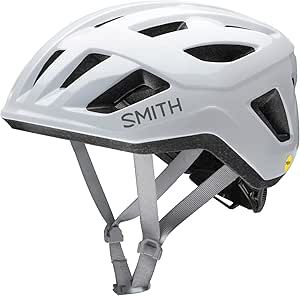 | Best Overall for Road Riders | Helmet type: Adult road cycling helmet | Protection: MIPS and zonal Koroyd | Ventilation: 21 fixed vents | VIEW LATEST PRICE | See Our Full Breakdown |
| Retrospec Lennon Adult Bike Helmet with LED Safety Light, Adjustable Dial & Removable Visor |  | Best for Built-In Visibility | Fit system: ErgoKnob-2 adjustable dial | Size range: 54–61 cm | Ventilation: 15 vents with internal air channels | VIEW LATEST PRICE | See Our Full Breakdown |
| Schwinn Thrasher Adult Bike Helmet (58-62 cm, Ages 14+) |  | Best for Fitness Riders | Size: 58–62 cm | Recommended age: 14+ | Fit system: Adjustable dial retention with side and chin straps | VIEW LATEST PRICE | See Our Full Breakdown |
| Giro Fixture MIPS Bike Helmet, Matte Black/Grey, Universal Adult (54–61 cm) |  | Best for Simple MIPS Fit Adjustment | Fit: Universal adult | Head circumference: 54–61 cm | Fit system: Roc Loc Sport | VIEW LATEST PRICE | See Our Full Breakdown |
| Zacro Adult Bike Helmet with Visor and Removable Pads |  | Best for Broad Size Coverage | Head circumference: 54–63 cm | Safety markings: U.S. CPSC approved; CE marked | Shell material: Polycarbonate | VIEW LATEST PRICE | See Our Full Breakdown |
| Favoto Adult Bike Helmet with Detachable Visor |  | Best Lightweight Budget Pick | Brand: Favoto | Weight: 260 g | Size: Large, fits 58–60 cm head circumference | VIEW LATEST PRICE | See Our Full Breakdown |
| Adult Cycling Bike Helmet, Adjustable with Pads and Visor, 58-61 cm |  | Best Value for Everyday Riders | Head Circumference: 22.4–24.4 in / 58–61 cm | Certification: CPSC Certified | Shell Material: Polycarbonate (PC) | VIEW LATEST PRICE | See Our Full Breakdown |
| Smith Signal Cycling Helmet with MIPS |  | Best Safety Tech Upgrade | Brand: Smith | Model: Signal MIPS | Safety Features: MIPS, zonal Koroyd coverage | VIEW LATEST PRICE | See Our Full Breakdown |
| Smith Signal Cycling Helmet | | Best for Road Rides and Commutes | Brand: Smith | Model: Signal | Intended Use: Road cycling, commuting | VIEW LATEST PRICE | See Our Full Breakdown |
| Giro Agilis MIPS Adult Cycling Helmet |  | Best Fit System and Durability | Brand: Giro | Model: Agilis MIPS | Age Range: Adult | VIEW LATEST PRICE | See Our Full Breakdown |
| Schwinn Thrasher Adult Bike Helmet, 58–62 cm | 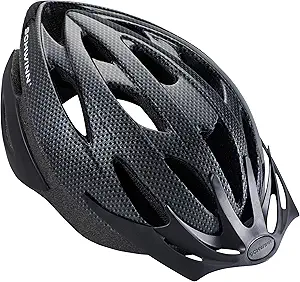 | Best Budget Pick for Recreational Riders | Head Circumference: 58–62 cm | Recommended Age: 14+ | Construction: Microshell | VIEW LATEST PRICE | See Our Full Breakdown |
| Adult Cycling Bike Helmet with Adjustable Fit, Pads, and Visor (Gianfto), 58–61 cm |  | Best Value All-Rounder | Brand: Gianfto | Intended User: Adult men and women | Head Circumference: 22.4–24.4 in / 58–61 cm | VIEW LATEST PRICE | See Our Full Breakdown |
| Giro Isode MIPS II Cycling Helmet |  | Best Safety Upgrade | Brand: Giro | Age Range: Adult | Safety Technology: Mips Evolve Core | VIEW LATEST PRICE | See Our Full Breakdown |
| LAZER Tempo KinetiCore Bike Helmet for Adults |  | Best for Commuters and Visibility | Brand: LAZER | Model: Tempo KinetiCore | Fit: One size fits all | VIEW LATEST PRICE | See Our Full Breakdown |
| road bike helmet | Fit system | Ventilation | Brand |
|---|---|---|---|
| Smith Signal MIPS Cycling Helm | — | 21 fixed vents | — |
| Retrospec Lennon Adult Bike He | ErgoKnob-2 adjustable dial | 15 vents with internal air channels | — |
| Schwinn Thrasher Adult Bike He | Adjustable dial retention with side and chin straps | 20 air vents | — |
| Giro Fixture MIPS Bike Helmet | Roc Loc Sport | — | — |
| Zacro Adult Bike Helmet with V | Adjustable dial and straps | 18 vents | — |
| Favoto Adult Bike Helmet with | — | 26 vents | Favoto |
| Adult Cycling Bike Helmet | Adjustable dial and side straps | — | — |
| Smith Signal Cycling Helmet wi | VaporFit 270-degree adjustment | 21 fixed vents with AirEvac system | Smith |
| Smith Signal Cycling Helmet | VaporFit dial, 270-degree adjustment | — | Smith |
| Giro Agilis MIPS Adult Cycling | Roc Loc 5 | Wind Tunnel ventilation | Giro |
| Schwinn Thrasher Adult Bike He | Adjustable dial, side straps, and chin strap | 21 vents | — |
| Adult Cycling Bike Helmet with | Dial adjustment with side straps | — | Gianfto |
| Giro Isode MIPS II Cycling Hel | Roc Loc Sport, one-handed dial with 7cm adjustment range | Deep internal channeling with large vents | Giro |
| LAZER Tempo KinetiCore Bike He | — | — | LAZER |
More Details on Our Top Picks
Smith Signal MIPS Cycling Helmet
Layered impact protection gives the Smith Signal a stronger road-focused case than simpler options such as the Schwinn Thrasher, which lists CPSC certification but no MIPS or Koroyd. The Signal pairs MIPS with zonal Koroyd coverage, while its 21 fixed vents provide airflow without a vent-adjustment feature. A 270-degree VaporFit dial helps riders fine-tune the fit, and AirEvac compatibility is designed to reduce fogging when paired with Smith eyewear. It also lists CPSC, CE EN 1078, and AS/NZS 2063 standards. Compared with the visibility-focused Retrospec Lennon, the Signal puts more emphasis on protective systems and eyewear integration; the tradeoff is that it lacks a built-in rear light and removable visor. I’d shortlist it for riders who want a more feature-rich road helmet and use compatible glasses.
Pros:- Combines MIPS and zonal Koroyd coverage
- 21 fixed vents support airflow
- 270-degree VaporFit dial allows fit tuning
- AirEvac system is designed to work with Smith eyewear
Cons:- Fixed vents cannot be adjusted
- No built-in rear safety light is listed
- No removable visor is listed
Best for: Road cyclists who want MIPS and Koroyd protection, adjustable fit, and compatibility with Smith eyewear.
Not ideal for: Riders who prioritize a built-in rear light or removable visor, or who want vents they can close or adjust.
- Helmet type:Adult road cycling helmet
- Protection:MIPS and zonal Koroyd
- Ventilation:21 fixed vents
- Fit adjustment:270-degree VaporFit dial
- Eyewear compatibility:AirEvac system designed for Smith eyewear
- Safety standards:U.S. CPSC, CE EN 1078, and AS/NZS 2063
- Model number:E007407KD5559
Our verdict“Choose the Smith Signal if layered protection and Smith eyewear compatibility matter more to you than a built-in light or visor.”
Retrospec Lennon Adult Bike Helmet with LED Safety Light, Adjustable Dial & Removable Visor
The Retrospec Lennon is the most visibility-minded option here: its built-in 5-LED rear light has three functions, which can make a rider easier to see around dawn, dusk, or after dark. That gives it a practical distinction from the Schwinn Thrasher and Zacro, whose listed features focus on fit, ventilation, and removable visors. The Lennon also has 15 vents with internal air channels, a dial fit system, reflective straps, washable padding, and a removable visor for changing between road rides and casual use. Its 54–61 cm range is broader than the Thrasher’s 58–62 cm range, though the supplied details don’t list the Lennon’s safety certifications. The light also needs battery management, and no USB recharging is specified. I’d pick it for riders who want visibility features built into one helmet, while road cyclists seeking documented advanced protection should compare it with the Smith Signal.
Pros:- Built-in 5-LED rear light offers three functions
- 15 vents use internal air channels for airflow
- ErgoKnob-2 dial enables fit adjustment
- Removable visor and washable padding add flexibility
Cons:- Light requires battery management and no USB recharging is specified
- The supplied product details do not list safety certifications
- No MIPS or Koroyd system is listed
Best for: Commuters and recreational road riders who want an integrated rear light, reflective details, and a removable visor.
Not ideal for: Riders who require listed advanced impact systems or documented safety certifications, or who prefer a rechargeable light.
- Fit system:ErgoKnob-2 adjustable dial
- Size range:54–61 cm
- Ventilation:15 vents with internal air channels
- Safety light:5-LED rear light with three functions
- Visor:Removable
- Padding:Washable
- Visibility details:Reflective straps and graphics
Our verdict“Choose the Lennon if an integrated rear light and adaptable everyday features matter more than listed advanced protection systems.”
Schwinn Thrasher Adult Bike Helmet (58-62 cm, Ages 14+)
For fitness riders with a 58–62 cm head circumference, the Schwinn Thrasher keeps the essentials straightforward: a dial retention system, adjustable side and chin straps, 20 vents, and removable washable padding. Those fit and care details make it a practical pick for frequent recreational rides. It also lists CPSC bicycle helmet compliance and includes a removable visor for basic sun protection. Compared with the Zacro, the Thrasher has fewer fit sizes in the supplied information and a narrower size range; in return, its listed age recommendation is 14+ and the sizing is clearly stated. The Smith Signal adds MIPS, Koroyd, and eyewear-focused design, so riders seeking those features should look there instead. The Thrasher’s main limitation is its single size range, which rules it out for many riders before other features matter.
Pros:- Adjustable dial retention plus customizable side and chin straps
- 20 vents support airflow
- Removable full-coverage padding is washable
- Lists CPSC bicycle helmet compliance
Cons:- Listed size range is limited to 58–62 cm
- Removable visor provides basic sun protection only
- No MIPS system is listed
Best for: Fitness and recreational cyclists aged 14+ whose head circumference falls between 58 and 62 cm.
Not ideal for: Riders with smaller or larger heads, or road cyclists seeking a listed MIPS system or eyewear integration.
- Size:58–62 cm
- Recommended age:14+
- Fit system:Adjustable dial retention with side and chin straps
- Construction:Microshell
- Padding:Removable, washable full-coverage interior padding
- Ventilation:20 air vents
- Safety certification:U.S. CPSC bicycle helmet standard
Our verdict“Choose the Thrasher for routine fitness rides if its 58–62 cm fit works and you value washable padding over advanced listed protection features.”
Giro Fixture MIPS Bike Helmet, Matte Black/Grey, Universal Adult (54–61 cm)
The Giro Fixture MIPS centers its appeal on one-handed Roc Loc Sport adjustment and an integrated MIPS system, giving riders a direct path to tune fit while wearing gloves. Its stated 54–61 cm universal range covers a different group from the Schwinn Thrasher’s 58–62 cm range, so comparing measurements is key before choosing either. The Fixture also includes reflective details and an airflow-focused lightweight construction, although the supplied specifications don’t give a vent count or list a certification standard. Compared with the Smith Signal, it offers MIPS and convenient fit adjustment but doesn’t list Koroyd coverage or Smith eyewear-focused AirEvac. Reflective details can help in low light only when illuminated, and universal sizing won’t suit every head shape. I’d consider it for riders who want MIPS and a simple dial fit without the Signal’s additional listed systems.
Pros:- Integrated MIPS system is designed to help reduce rotational forces
- Roc Loc Sport dial enables one-handed fit adjustment
- Fit adjustment range is listed as 7 cm
- Reflective details add visibility when light reaches them
Cons:- Universal sizing may not fit every rider comfortably
- Reflective details depend on an external light source
- Supplied specifications do not list a vent count or safety certification
Best for: Adult riders with a 54–61 cm head circumference who want MIPS and quick one-handed fit adjustment.
Not ideal for: Riders whose head shape does not suit universal sizing, or those seeking listed Koroyd coverage, eyewear integration, or a specified vent count.
- Fit:Universal adult
- Head circumference:54–61 cm
- Fit system:Roc Loc Sport
- Fit adjustment range:7 cm
- Safety system:Integrated MIPS
- Visibility features:Reflective details
- Color:Matte black/grey
Our verdict“Choose the Fixture MIPS if you want a MIPS-equipped helmet with convenient dial adjustment and its 54–61 cm fit suits you.”
Zacro Adult Bike Helmet with Visor and Removable Pads
The Zacro covers the widest stated fit range in this group, 54–63 cm, making it worth a look for adults and teens who fall outside the Schwinn Thrasher’s narrower 58–62 cm span. It combines an adjustable dial and straps with 18 vents, a detachable visor, and washable pads, so routine care and changing conditions are easy to manage. The listing states U.S. CPSC approval and a CE mark, plus a polycarbonate shell and high-density EPS foam. Compared with the Smith Signal, the Zacro doesn’t list MIPS, Koroyd, or eyewear-specific airflow features; its case is fit coverage and practical extras rather than those added systems. At 260 g, its stated weight is easy to compare on paper, but the broad size range still requires a head measurement and a comfortable fit check. I’d favor it for versatile everyday riding across its listed size range.
Pros:- 54–63 cm range covers more head measurements than the Thrasher
- Lists U.S. CPSC approval and a CE mark
- 18 vents and 260 g stated weight
- Detachable visor and removable washable pads
Cons:- No MIPS or Koroyd system is listed
- Head circumference needs measuring to select a suitable fit
- Not a full-face helmet
Best for: Adults and teens with 54–63 cm head circumferences who want an adjustable helmet for road rides, commuting, or scootering.
Not ideal for: Road cyclists seeking listed MIPS or Koroyd systems, or riders whose head circumference falls outside 54–63 cm.
- Head circumference:54–63 cm
- Safety markings:U.S. CPSC approved; CE marked
- Shell material:Polycarbonate
- Foam material:High-density EPS
- Weight:260 g
- Ventilation:18 vents
- Fit system:Adjustable dial and straps
- Visor and pads:Detachable visor; removable, washable pads
Our verdict“Choose the Zacro if you need its broad 54–63 cm fit range and practical visor and pad features more than advanced listed impact systems.”
Favoto Adult Bike Helmet with Detachable Visor
At just 260 g, the Favoto undercuts heavier budget options like the Schwinn Thrasher while still delivering 26 ventilation vents — more airflow than the Smith Signal’s 21. The detachable visor makes it flexible enough for road rides and casual commuting, and the washable padding keeps it fresh through sweaty summer miles. What this helmet doesn’t offer is rotational impact protection; compared with the Smith Signal MIPS, it lacks any slip-plane system, which matters if crash protection is your top priority. The single-size fit range is also the narrowest in this batch, so measure your head before ordering. For riders who value low weight and ventilation on a budget, though, this pick makes sense.
Pros:- Very light at 260 g for the price bracket
- 26 vents provide excellent airflow on hot rides
- Detachable visor suits both road and casual riding
- Removable, washable padding keeps the helmet hygienic
Cons:- Only one size (58–60 cm) with no smaller or larger options
- No rotational impact protection system like MIPS or Koroyd
Best for: Budget-conscious road riders with 58–60 cm heads who want maximum airflow and minimal weight
Not ideal for: Riders with smaller or larger heads, or anyone prioritizing MIPS-style rotational impact protection
- Brand:Favoto
- Weight:260 g
- Size:Large, fits 58–60 cm head circumference
- Ventilation:26 vents
- Construction:In-mold with high-density EPS foam
- Safety Standards:CPSC, ASTM, CE
- Visor:Detachable
- Warranty:360 days
Our verdict“A strong choice for hot-weather riders with average-to-large heads who want light weight and airflow without spending on premium safety tech.”
Adult Cycling Bike Helmet, Adjustable with Pads and Visor, 58-61 cm
This unbranded option earns its spot as the value play by pairing CPSC certification with a lifetime manufacturer warranty — coverage the Favoto’s 360-day warranty can’t match. The internal keel alongside the EPS foam adds structural reinforcement uncommon at this tier, and the adjustable dial plus side straps give a more dialed fit than most one-size-fits-all alternatives. Compared with the Favoto, you trade four vents (18 versus 26) for the longer warranty and keel construction, which feels like the smarter swap for commuters who ride year-round. The detachable visor and removable pads add everyday practicality. The tradeoff: it carries no rotational impact system, so safety-minded riders comparing it against the Giro Agilis MIPS should weigh that gap carefully.
Pros:- CPSC certified with polycarbonate shell and internal keel for impact absorption
- Lifetime manufacturer warranty against defects
- Adjustable dial and side straps for a customizable fit
- Detachable visor and removable pads add everyday convenience
Cons:- Limited 58–61 cm head circumference range
- 18 vents trail the airflow of lighter options like the Favoto
Best for: Daily commuters and recreational riders who want certified protection and a lifetime warranty at a low cost
Not ideal for: Performance road cyclists or crash-safety-focused riders who want MIPS-level rotational protection
- Head Circumference:22.4–24.4 in / 58–61 cm
- Certification:CPSC Certified
- Shell Material:Polycarbonate (PC)
- Impact Absorption:High-density EPS foam with internal keel
- Vents:18
- Fit System:Adjustable dial and side straps
- Visor:Detachable
- Warranty:Lifetime against manufacturing defects
Our verdict“The pragmatic buy for everyday riders who prioritize warranty coverage and certified protection over premium safety features.”
Smith Signal Cycling Helmet with MIPS
This version of the Signal pairs MIPS rotational protection with zonal Koroyd coverage — a crumple-zone honeycomb layer that absorbs energy while staying ventilated, something no other helmet in this price-conscious batch offers. The AirEvac system actively pulls air through the 21 vents and across the brow to reduce eyewear fogging, a genuine benefit for riders who wear glasses on cold morning starts. The VaporFit 270-degree dial wraps the fit around most of the head rather than just the back, giving more even pressure than the simpler dial systems on the Favoto. The main compromise is that the vents are fixed, so you can’t dial back airflow in winter. Compared with the non-MIPS Smith Signal, this model justifies its premium with dual-layer impact tech.
Pros:- MIPS plus zonal Koroyd delivers a dual-layer impact protection system
- AirEvac ventilation reduces eyewear fogging
- VaporFit 270-degree dial provides even, precise fit adjustment
- Certified to CPSC, CE EN 1078, and AS/NZS 2063 standards
Cons:- Fixed vents offer no adjustability for colder conditions
- No visor included, unlike the Favoto or budget visor models
Best for: Riders who wear glasses while cycling and want the strongest impact-protection stack at a mid-premium price
Not ideal for: Winter or variable-weather riders who want adjustable ventilation, since the 21 vents are fixed
- Brand:Smith
- Model:Signal MIPS
- Safety Features:MIPS, zonal Koroyd coverage
- Ventilation:21 fixed vents with AirEvac system
- Fit System:VaporFit 270-degree adjustment
- Certifications:CPSC, CE EN 1078, AS/NZS 2063
Our verdict“The mid-premium pick for eyewear-wearing road riders who want MIPS and Koroyd protection without stepping to full race-tier pricing.”
Smith Signal Cycling Helmet
Sharing its platform with the Smith Signal MIPS, this model delivers the same Koroyd zonal coverage, 21-vent AirEvac airflow, and VaporFit 270-degree dial, but positioned squarely as the everyday road-and-commute option. The Koroyd structure means it manages angled impacts better than basic EPS-only helmets like the Favoto, while remaining lighter feeling than hardshell constructions such as the Giro Agilis MIPS. Where it falls short of its MIPS sibling is rotational impact management — buyers comparing the two Smith listings should check the specific variant carefully, since the safety systems differ even though the shells look identical. Eyewear integration is tuned mainly for Smith glasses, which is a small friction point if you wear other brands. For fair-weather riders who commute and train on the same helmet, this pick makes the most sense.
Pros:- Zonal Koroyd coverage provides lightweight, energy-absorbing protection
- 21 vents with AirEvac keep riders cool and reduce lens fogging
- VaporFit dial enables precise 270-degree adjustment
- Meets CPSC, CE EN 1078, and AS/NZS 2063 standards
Cons:- Fixed vents can’t be closed off in cold or wet weather
- Eyewear airflow optimization is geared toward Smith-branded glasses
Best for: All-season commuters and road riders who want Koroyd protection and one helmet for training and daily riding
Not ideal for: Buyers who specifically want MIPS rotational protection — check the variant before purchasing
- Brand:Smith
- Model:Signal
- Intended Use:Road cycling, commuting
- Protection:Zonal Koroyd coverage
- Vents:21 fixed vents with AirEvac
- Fit System:VaporFit dial, 270-degree adjustment
- Safety Standards:CPSC (age 5+), CE EN 1078, AS/NZS 2063
Our verdict“A versatile one-helmet solution for road riders and commuters, provided you confirm which safety variant you’re actually buying.”
Giro Agilis MIPS Adult Cycling Helmet
The Agilis MIPS stands out for its Roc Loc 5 fit system, which allows single-hand tension and tilt adjustments on the fly — more granular control than the VaporFit-equipped Smith Signal for riders who fine-tune fit mid-ride. Its hardshell construction with an in-mold lower wrap makes it more durable against everyday knocks and bag abrasion than softer-shelled options like the Favoto, a real advantage for commuters who toss helmets into backpacks. The Wind Tunnel ventilation channels airflow across the scalp and exhausts heat, while integrated MIPS addresses rotational forces. That feature set comes with complexity: casual riders who just want a helmet for weekend paths may find more adjustment than they’ll ever use, and fit comfort still depends heavily on head shape matching Giro’s mold.
Pros:- Integrated MIPS helps manage rotational forces in angled impacts
- Roc Loc 5 allows quick single-hand fit and tilt adjustments
- Hardshell with in-mold lower wrap boosts durability without excess bulk
- Wind Tunnel ventilation moves cool air across the head and exhausts heat
Cons:- Feature-rich design is arguably overkill for casual riders
- Fit comfort varies notably with head shape and adjustment
Best for: Serious road cyclists and frequent commuters who want premium fit adjustment, MIPS, and a durable shell
Not ideal for: Casual weekend riders who would pay for fit-system refinement they’ll never adjust
- Brand:Giro
- Model:Agilis MIPS
- Age Range:Adult
- Construction:Hardshell with in-mold Hardbody lower wrap
- Safety System:Integrated MIPS
- Fit System:Roc Loc 5
- Ventilation:Wind Tunnel ventilation
Our verdict“The enthusiast’s choice for riders who value dial-in fit precision and shell durability as much as protection.”
Schwinn Thrasher Adult Bike Helmet, 58–62 cm
The Schwinn Thrasher earns its spot as the most affordable entry point in this lineup, and it covers the basics better than you might expect at this price. The adjustable dial fit system and 21 vents deliver genuine comfort, while the removable, washable padding means sweat buildup doesn’t become a permanent hygiene problem — something cheaper helmets like the Zacro try to match but rarely execute as cleanly. Compared with the Adult Cycling Helmet by Gianfto, the Thrasher stretches its size range slightly further, up to 62 cm, which matters for larger heads. The tradeoff is straightforward: there’s no rotational impact protection here, unlike the Giro Isode MIPS II or Lazer Tempo KinetiCore, so riders logging serious road miles should weigh that gap carefully.
Pros:- Adjustable dial and strap system makes dialing in fit easy
- Lightweight microshell construction reduces neck fatigue on longer rides
- Removable, washable padding keeps the helmet fresher over time
- Removable visor adds flexibility for sun or a cleaner aero look
Cons:- No rotational impact protection technology unlike Mips or KinetiCore rivals
- Limited 58–62 cm size range excludes smaller and very large heads
Best for: Casual and fitness riders on a tight budget who want a name-brand, CPSC-certified helmet for weekend paths and light commuting
Not ideal for: Road cyclists riding at speed or in traffic who want rotational impact protection like Mips or KinetiCore
- Head Circumference:58–62 cm
- Recommended Age:14+
- Construction:Microshell
- Fit System:Adjustable dial, side straps, and chin strap
- Ventilation:21 vents
- Padding:Removable and washable
- Safety Standard:U.S. CPSC bicycle helmet standard
Our verdict“A sensible budget buy for low-speed recreational riding, but serious road riders should pay more for rotational protection.”
Adult Cycling Bike Helmet with Adjustable Fit, Pads, and Visor (Gianfto), 58–61 cm
This Gianfto adult helmet lands in the sweet spot between the bare-bones Schwinn Thrasher and the pricier Giro Isode MIPS II. What justifies the step up from the Thrasher is construction: a polycarbonate shell bonded to high-density EPS foam gives it a more modern, durable build than a basic microshell, and the 18-vent layout keeps air moving on hot climbs. The dial-adjust fit system with removable pads mirrors what the big brands offer in feel, even if it lacks the refinement of Giro’s Roc Loc Sport. The honest tradeoff: like the Thrasher, it skips rotational impact protection, so while the price-to-feature ratio beats the Isode MIPS II on paper, riders who prioritize crash tech over convenience will still want the Giro.
Pros:- CPSC-certified polycarbonate shell with EPS foam for solid impact absorption
- Dial adjustment and side straps create a secure, customizable fit
- 18 vents and lightweight design keep rides cool and comfortable
- Detachable visor and removable pads add day-to-day convenience
Cons:- Fits only 58–61 cm heads, excluding smaller and larger riders
- No rotational impact protection technology in this price tier
- Generic brand fit and finish won’t match Giro or Lazer quality control
Best for: Value-conscious men and women who want modern in-mold-style construction, good ventilation, and a visor without paying brand premiums
Not ideal for: Riders outside the 58–61 cm size range or those who want rotational impact protection for high-speed road riding
- Brand:Gianfto
- Intended User:Adult men and women
- Head Circumference:22.4–24.4 in / 58–61 cm
- Certification:CPSC Certified
- Shell Material:Polycarbonate
- Impact Absorption:High-density EPS foam
- Vents:18
- Fit System:Dial adjustment with side straps
- Warranty:1 year manufacturer
Our verdict“The strongest feature-per-dollar option in this batch for average-sized heads, provided you can live without rotational protection.”
Giro Isode MIPS II Cycling Helmet
The Giro Isode MIPS II is the pick that makes the most sense for riders whose priority is crash protection on a budget. Its Mips Evolve Core technology addresses rotational forces in angled impacts — something neither the Schwinn Thrasher nor the Gianfto offers — while the in-mold construction fuses the polycarbonate shell and foam liner into a lighter, tougher whole. Giro borrows the styling and venting from its high-end road helmets, so deep internal channeling moves air in a way the Lazer Tempo KinetiCore’s simpler vent layout can’t match. The compromise is the Roc Loc Sport fit system, which is one-handed and easy but a step below Giro’s premium Roc Loc 5 found on models like the Agilis MIPS. Ponytail compatibility is a thoughtful touch that’s rare at this price.
Pros:- Mips Evolve Core reduces rotational forces in certain angled impacts
- In-mold construction keeps weight low while improving shell durability
- Roc Loc Sport dial adjusts one-handed across a 7cm range
- Deep internal channeling delivers genuinely strong cooling airflow
Cons:- Roc Loc Sport is more basic than Giro’s premium Roc Loc 5 system
- No visor option unlike the Schwinn Thrasher or Gianfto models
Best for: Road riders and commuters who want Mips rotational protection and high-end ventilation without paying flagship prices
Not ideal for: Riders who want a premium fit system or visor — the Isode skips both in favor of weight and airflow
- Brand:Giro
- Age Range:Adult
- Safety Technology:Mips Evolve Core
- Construction:In-Mold polycarbonate shell with foam liner
- Fit System:Roc Loc Sport, one-handed dial with 7cm adjustment range
- Ventilation:Deep internal channeling with large vents
- Ponytail Compatibility:Yes
Our verdict“The smartest spend in this lineup for anyone who values rotational impact protection and ventilation over extras like visors.”
LAZER Tempo KinetiCore Bike Helmet for Adults
The LAZER Tempo KinetiCore carves out a commuter-friendly niche that the other picks here don’t occupy. Its standout trick is compatibility with Lazer’s Universal LED light, letting riders bolt on rear visibility — a genuine safety advantage for dusk and dawn commutes that even the Giro Isode MIPS II can’t replicate. KinetiCore rotational protection puts it in the same crash-tech category as the Isode’s Mips, achieved through crumple zones molded into the foam rather than an added liner. The one-size-fits-all TurnSys dial makes sizing painless for shared households or gift buyers, though it means a less precise, tailored fit than Giro’s 7cm-adjustable Roc Loc Sport. The catch: it’s an entry-level helmet, and the LED is sold separately, so the true cost of the visibility setup adds up.
Pros:- KinetiCore technology provides rotational impact protection without an added liner
- Compatible with Universal Lazer LED light for commuter visibility
- TurnSys dial allows instant on-the-fly fit adjustments
- One-size-fits-all design simplifies buying and shared use
Cons:- Entry-level positioning means fewer premium features than the Giro Isode MIPS II
- LED light sold separately adds to real-world cost
- One-size-fits-all fit is less precise than multi-size or wide-range dial systems
Best for: Urban commuters and visibility-focused riders who want rotational protection plus an integrated rear light option
Not ideal for: Riders wanting a premium fitted feel or included accessories — the one-size design and separately sold LED add cost and compromise
- Brand:LAZER
- Model:Tempo KinetiCore
- Fit:One size fits all
- Adjustment System:TurnSys dial
- Safety Technology:KinetiCore rotational impact protection
- Light Compatibility:Universal Lazer LED light (sold separately)
- Intended Use:Road cycling
Our verdict“The right pick for commuters who value a light-ready design and rotational protection over a dialed, premium fit.”

How We Picked
I evaluated each helmet against four criteria, weighted in this order: safety technology, fit system quality, ventilation, and value. Safety came first because it’s the entire point of the purchase — helmets with MIPS or Lazer’s KinetiCore earned an automatic edge over models relying on basic foam-and-shell construction, assuming the rest of the package held up. Fit mattered next, because a helmet that doesn’t stay put or creates pressure points is unsafe in practice regardless of its certification; dial-based retention systems with adjustable height scored higher than simple rear dials or strap-only adjustments.
Ventilation and weight separated the serious road options from commuter-style helmets with visors and lights, since riders pushing pace in warm weather feel the difference within an hour. Finally, I judged value as the total package per dollar — a cheap helmet with a sloppy dial and thin pads ranked below a slightly pricier one that fits a wider range of head shapes. The ranking reflects that logic: proven protection and fit at the top, feature-packed budget picks in the middle, and near-duplicate budget models ordered by their fit hardware and comfort details.
Factors to Consider When Choosing Road Bike Helmets
Before settling on a specific helmet, it helps to understand what actually separates a good road helmet from a mediocre one — and where marketing claims don’t match reality. These are the factors I’d weigh before spending anything.Rotational Impact Protection: The Non-Negotiable
Every helmet sold today meets basic crash certification, but that only covers direct linear impacts. Rotational protection systems like MIPS, KinetiCore, and WaveCel address oblique impacts, which are far more common in real-world cycling crashes — your head rarely hits the pavement straight on. The physics is straightforward: a low-friction layer or crumple zone lets the helmet rotate slightly around your head during impact, reducing the rotational forces transmitted to your brain. A common mistake is treating these systems as marketing fluff and saving twenty dollars on a helmet without one; over the lifespan of a helmet, that’s a poor trade. If budget forces a choice, I’d pick a lesser-known brand with MIPS over a premium-looking generic helmet without it every time. The one caveat: MIPS liners can slightly reduce internal padding contact, so fit testing matters even more with these models.
Fit System Quality Over Feature Count
A helmet’s retention system determines whether it actually protects you, because a poorly fitted helmet shifts on impact and leaves parts of your head exposed. Look for a dial-based micro-adjust system with vertical height adjustment — the ability to raise or lower the rear cradle changes everything for people with long or short hair volume, ponytails, or non-average head shapes. Head circumference sizing is only a starting point; two helmets listing 58–61 cm can fit completely differently depending on shell shape and how many adjustment points exist. Budget helmets often share the same molded shell with only a rear dial, which works but rarely achieves the locked-in feel of a Giro Roc Loc or similar system. My advice: prioritize adjustable fit hardware over flashy add-ons like LED lights or mirrored visors. A glowing taillight on your head does nothing if the helmet rotates off your brow in a crash.
Ventilation and Weight for How You Actually Ride
Road riding generates sustained effort, which means heat buildup becomes a real performance and comfort issue once temperatures climb. Helmets designed for road use use channelled internal airflow — deep channels running front to back — rather than just counting vents, and the difference is noticeable on climbs above 75 degrees. Weight is related but less critical than riders assume: the spread between a budget helmet and a premium one is often 100–150 grams, which you’ll barely feel on the bike but will notice in your hand and wallet. Where weight matters more is long rides, where a heavier helmet with poor ventilation contributes to neck fatigue and overheating. Commuter-style helmets with visors and integrated lights trade vent real estate for utility, a reasonable swap if your rides are short and slow but a poor one if you’re averaging 18 mph in summer. Match the helmet’s ventilation to your riding intensity, not to how the helmet looks in photos.
When Visors and Lights Help — and When They Don’t
Several helmets in this category include detachable visors or rear LED lights, and buyers should be clear-eyed about what these add. A visor is genuinely useful for commuting, rainy conditions, or low-sun riding, keeping glare and drizzle out of your eyes when you’re not wearing cycling sunglasses. But if you ride with proper glasses, a visor mostly obstructs your view in an aggressive road position and can create wind noise. Integrated LED lights are a nice visibility boost for city riders, though they add weight, create charging obligations, and eventually die — at which point you’re carrying a dead feature. Serious road riders almost universally skip both. The cleanest approach for mixed riding is a visor-equipped helmet with MIPS, giving you flexibility without compromising protection; the pure performance move is neither feature and maximum airflow instead.
Helmet Lifespan and Replacement
Many buyers don’t realize that helmets are consumables. The EPS foam inside degrades from UV exposure, sweat, and simple age, and most manufacturers recommend replacing a helmet every three to five years even without a crash — and immediately after any impact, including drops onto concrete. This reality affects your buying math: a premium helmet you’ll replace in four years costs more per year than a mid-range one, and a crash-destroyed budget helmet is far less painful to replace than a premium one. Check whether replacement pads are available for your model, since sweat-soaked padding is often the first thing to wear out and drives comfort decline long before the shell does. Also confirm the warranty terms, because some brands replace crashed helmets at a discount. Buying at the top of the range only pays off if you ride enough to extract the comfort benefits during that finite lifespan.
Sizing Accuracy and Return Policies
Head shape varies more than sizing charts admit — round, oval, narrow, and wide heads all exist, and helmet brands mold their shells to different last shapes. Giro helmets, for instance, tend toward a rounder fit while some European brands run narrower, which is why the same circumference can feel perfect in one model and painful in another. Measure your head just above the eyebrows with a soft tape before ordering, then buy from a retailer with a hassle-free return window so you can test the fit at home. A properly sized helmet sits level, with the brow roughly one finger’s width above your eyebrows, and doesn’t wobble when you shake your head with the strap undone. Universal-fit helmets (typically 54–61 cm) cover a wide range but compromise at the extremes; riders at either end of the size spectrum get a better result from sized models. Never buy a helmet to ‘grow into’ or pad out with extra foam — a loose helmet is functionally no helmet at all.
Frequently Asked Questions
Is MIPS really worth the extra money over a basic helmet?
In my assessment, yes, unless the budget is genuinely inflexible. MIPS addresses rotational forces from angled impacts, which represent the majority of real-world cycling crashes, and the price premium has shrunk considerably — helmets like the Giro Fixture MIPS and Smith Signal MIPS bring the technology into budget territory. The performance cost is negligible: MIPS adds minimal weight and doesn’t noticeably affect ventilation in current-generation designs. The honest caveat is that independent testing on rotational systems shows varied results depending on the crash scenario, so it’s not a magic force field — but the downside risk of skipping it is asymmetric. Twenty to thirty dollars spread over a helmet’s multi-year lifespan is a small premium for a meaningful layer of protection engineering that basic helmets simply lack.
Why does the Smith Signal appear multiple times in different listings, and which should I buy?
This is a genuine trap in this category: the Smith Signal is sold in MIPS and non-MIPS versions, sometimes in overlapping listings that look nearly identical. The shells and styling are the same, so the only reliable way to tell them apart is the MIPS labeling on the product listing and inside the helmet itself — MIPS-equipped versions have the yellow or branded low-friction liner visible between the padding and the shell. Always buy the MIPS version when the price gap is small, because you’re getting meaningfully better impact engineering for a modest difference. Check the product title and specifications carefully before ordering rather than assuming the cheapest Signal listing is the same helmet. This duplicate-listing pattern isn’t unique to Smith, so apply the same scrutiny to any helmet that appears at wildly different prices across listings.
Can I use a budget helmet like the Schwinn Thrasher for serious road riding?
Functionally, yes — it meets the same baseline crash certification as helmets costing three times more, and many riders log thousands of safe miles in budget helmets. The tradeoffs show up in the margins: heavier shells, less sophisticated ventilation that becomes uncomfortable on hot climbs, and retention systems that need more frequent adjustment to stay snug. For casual riders, commuters, or someone getting into the sport without commitment, a helmet like the Thrasher or Zacro is a rational choice that frees budget for other gear. The tipping point is sustained riding — once you’re doing regular two-hour-plus rides or training with intensity, the fit stability and airflow of a Giro Agilis or Lazer Tempo start earning their price. My rule: buy the budget helmet for your first season, then upgrade if you’re still riding, rather than buying premium gear before you know your habits.
Are helmets with built-in LED lights a good idea for road cycling?
They’re a solid idea for commuting and a neutral-to-negative one for performance road riding. The Retrospec Lennon’s rear light adds genuine visibility in urban traffic and low-light conditions, which is where most car-bike collisions involve drivers approaching from behind. The downsides are cumulative weight, one more thing to charge, and a visor-equipped shape that’s less ventilated than dedicated road designs. If your riding mixes city streets with weekend rides, a light-equipped helmet is defensible as a do-everything compromise. But for dedicated road riders, a good set of bike-mounted lights plus a proper road helmet is the better combination — the lights are brighter, rechargeable independently, and don’t compromise the helmet’s ventilation or aerodynamics.
What’s the difference between MIPS, MIPS II, and KinetiCore, and does it matter which one I get?
All three are rotational impact protection systems, but they achieve it differently. Standard MIPS uses a sliding liner between your head and the foam; MIPS II refines the liner’s fit and coverage while reducing bulk. Lazer’s KinetiCore takes a different approach — crumple zones molded directly into the helmet’s foam — which means no separate liner, slightly less weight, and in theory better ventilation since there’s no added layer. For a buyer, the practical difference is smaller than the marketing suggests: all three are credible, tested approaches to the same physics problem. Choose based on the overall helmet — fit, ventilation, and price — rather than fixating on the protection brand name. The Giro Isode MIPS II and Lazer Tempo KinetiCore both represent the current generation of the technology, and either is a sound choice over any non-rotational helmet.
Conclusion
After comparing all 14 helmets, the recommendations break down cleanly by rider type. For best overall, the Smith Signal MIPS hits the strongest balance of proven rotational protection, comfortable fit, and reasonable cost — it’s the helmet I’d point most road riders toward. The Giro Fixture MIPS takes best value, delivering MIPS and Giro’s fit hardware at a price that undercuts most protected competitors. For best premium, the Lazer Tempo KinetiCore and Giro Agilis MIPS represent the top of this lineup — the Tempo for its modern crumple-zone construction and light weight, the Agilis for its excellent ventilation and long-ride comfort. Beginners and casual riders get the most from the Schwinn Thrasher or Zacro, both legitimate helmets that leave budget for the rest of the kit. For commuters and mixed-terrain riders, the Retrospec Lennon with its LED light and visor is the specific-needs pick. Whatever you choose, buy the MIPS-equipped version when one exists, verify your size before ordering, and replace the helmet after any crash — the best helmet is the one that fits well and is actually on your head when you need it.
Halloween Picks
halloween
As an affiliate, we earn on qualifying purchases.