Training with a trailer attached helps you gain essential skills for real-world towing, such as better control, handling, and maneuvering in tight spaces. You’ll develop safe driving habits, learn how to respond to different road conditions, and understand how weight impacts stopping and turning. Performing safety checks and maintenance is vital for your safety and vehicle longevity. Keep exploring to discover step-by-step tips that will make your towing experience more confident and secure.
Key Takeaways
- Practice towing to simulate real-world driving scenarios and improve handling skills.
- Ensure pre-trip safety checks are completed to prevent trailer detachment or malfunctions.
- Regularly inspect and maintain trailer components for safety and longevity.
- Develop towing skills by practicing turns, braking, and maneuvering with a trailer attached.
- Follow local regulations and safety standards to ensure responsible and compliant trailer training.

Training with a trailer attached can considerably enhance your driving skills by simulating real-world towing situations. When you practice towing, you get a better sense of how your vehicle handles with added weight, how to maneuver through tight spaces, and how to respond to different road conditions. This hands-on experience is invaluable, especially when it comes to safety precautions. Before hitting the road, always double-check that your trailer is securely hitched, the safety chains are properly connected, and the lights are functioning correctly. These steps are essential to prevent accidents caused by trailer detachment or malfunction. Staying vigilant about safety precautions ensures you and others on the road remain protected, and it helps develop good habits that become second nature over time.
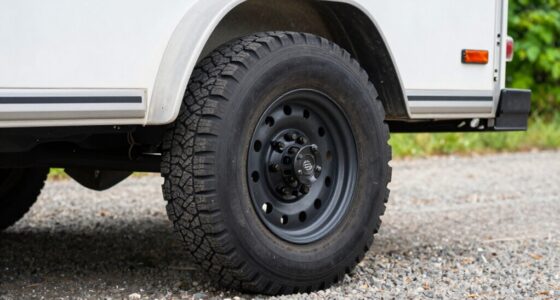
Another critical aspect of trailer training is understanding trailer maintenance. Regularly inspecting your trailer before each trip can prevent breakdowns and accidents. Look for signs of wear on tires, brakes, and the hitch components. Proper trailer maintenance involves checking tire pressure and tread, ensuring brake systems work effectively, and confirming that all electrical connections are clean and secure. Maintaining your trailer isn’t just about safety; it also boosts efficiency and prolongs the lifespan of your equipment. When you stay proactive with trailer maintenance, you reduce the likelihood of unexpected issues that could compromise your safety or cause delays.
As you gain experience, you’ll learn to anticipate how your trailer responds during turns, braking, and lane changes. This awareness helps to improve your control and confidence on the road. Keep in mind that the size and weight of your trailer influence your driving techniques. Slower acceleration, wider turns, and increased stopping distances are all part of towing with a trailer attached. Practicing these maneuvers in a safe environment — free of traffic or obstacles — is a smart way to build your skills. Remember, every trailer is different, so familiarize yourself with its specific handling characteristics and maintenance requirements.
Lastly, always adhere to local regulations regarding trailer weights, speed limits, and safety equipment. Respect the load limits and avoid overloading, which can strain your vehicle and compromise safety. Combining diligent safety precautions with consistent trailer maintenance creates a solid foundation for responsible towing. By practicing regularly and paying close attention to your trailer’s condition, you’ll become a more confident and capable driver, ready to handle any towing challenge that comes your way.
As an affiliate, we earn on qualifying purchases.
Frequently Asked Questions
What Are the Legal Requirements for Towing a Trailer?
You need to make certain your trailer is properly registered and has current safety inspections before towing. Check your state’s specific registration requirements, as some regions require trailer registration regardless of weight. Additionally, be sure all safety inspections are up-to-date to avoid fines and ensure safe towing. Always verify your trailer’s lights, brakes, and tires are in good condition, and follow weight limits and speed regulations to stay compliant and safe on the road.
How Does Trailer Weight Affect Train Braking Performance?
Trailer weight is like a heavy backpack—you feel it with every step. When your trailer is heavier, your braking distance increases because more momentum needs stopping. This added weight can cause trailer sway, making it harder to control your vehicle. To stay safe, you should drive slower and brake earlier when towing a heavy trailer, ensuring you maintain control and prevent accidents caused by extended braking distances.
What Maintenance Is Needed for Trailer Hitches?
You need to regularly inspect your trailer hitch for wear, rust, and damage to guarantee hitch compatibility and safe towing. Lubricate moving parts and check the safety chains and electrical connections. Always confirm that your trailer insurance covers hitch-related issues. Proper maintenance prevents accidents, keeps your trailer secure, and extends the hitch’s lifespan. Remember, a well-maintained hitch is essential for safe towing and peace of mind on the road.
How Can I Improve Fuel Efficiency When Towing?
To improve fuel efficiency when towing, focus on trailer aerodynamics by ensuring your trailer is streamlined and free of unnecessary drag. Maintain proper tire pressure tips for your towing vehicle and trailer, as underinflated tires increase rolling resistance. Also, drive at steady speeds, avoid sudden stops, and remove excess weight from your trailer. These steps help reduce drag and rolling resistance, saving fuel and making your trip more economical.
What Are Common Signs of Trailer Attachment Issues?
You’ll notice trailer attachment issues if you experience trailer sway or uneven hitch wear. Trailer sway feels like the trailer is moving side to side unexpectedly, especially at higher speeds. Check for excessive hitch wear, which indicates poor connection or movement. Other signs include strange noises, difficulty steering, or uneven tire wear on the trailer. Regular inspections and proper hitch adjustments help prevent these issues and guarantee safe, smooth towing.
Conclusion
Just like a river carrying everything in its path, attaching a trailer transforms your journey into a shared adventure. You’re not just moving forward; you’re guiding a vessel filled with dreams, hopes, and memories. Embrace the weight, the challenges, and the triumphs. Remember, you’re the captain steering through life’s currents. With each mile, you grow stronger, knowing that together, you and your trailer can navigate any storm and reach new horizons.