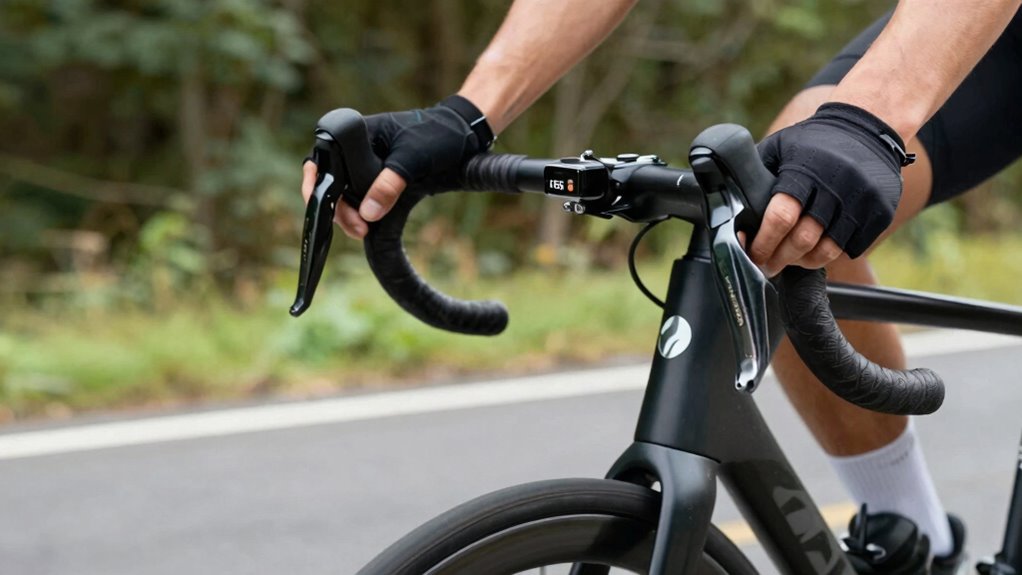
Your riding style greatly influences your power meter choice, impacting accuracy, calibration needs, and how you analyze data. If you’re a casual rider, opt for low-maintenance options with simple metrics. Competitive cyclists should prioritize devices offering detailed, precise data. Frequent, aggressive riders need sensors that are easy to calibrate and give reliable readings across different terrains. Understanding your style helps you select the best device, ensuring your training is effective. Keep exploring to discover more about finding your perfect power meter fit.
Key Takeaways
- Choose a power meter that matches your riding intensity and frequency for accurate, relevant data.
- Opt for devices with calibration processes suited to your riding style, whether casual or competitive.
- Select measurement methods aligned with your training goals and ease of calibration.
- Prioritize data analysis features that enhance insights based on your riding focus, such as endurance or sprinting.
- Ensure sensor placement suits your bike setup and riding positions for consistent, reliable power readings.
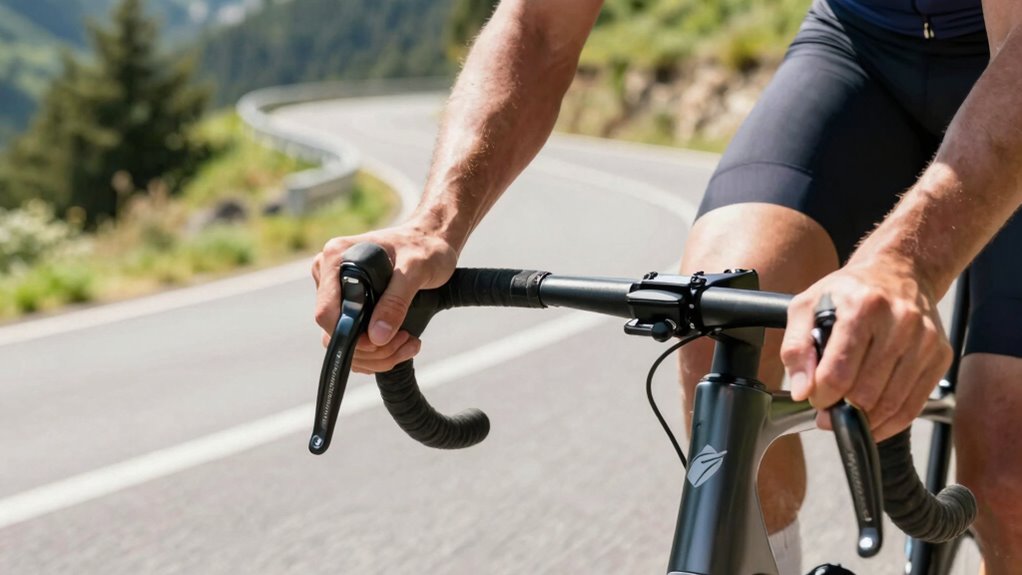
Are you unsure which power meter best suits your riding style? Choosing the right device isn’t just about brand or price—it hinges on how you ride and what you want to get out of your training. Your riding style influences the type of power meter that will deliver accurate data and fit seamlessly into your routine. For example, if you’re a casual rider who enjoys long, steady rides, you might prioritize a power meter that’s easy to calibrate and provides straightforward data analysis without fuss. On the other hand, if you’re a competitive cyclist focusing on race-day performance, precision and detailed metrics become essential, and you’ll want a device that supports rigorous gear calibration and offers in-depth data insights.
Gear calibration plays a critical role in guaranteeing your power meter provides reliable readings. If you’re someone who rides frequently and pushes your limits, you’ll need a device that allows easy calibration to maintain accuracy over time. Proper calibration ensures your power data reflects real effort, especially when riding on different terrains or under varying conditions. Your riding style determines how often you should calibrate your gear—more aggressive or variable riders might need to check calibration regularly to keep data trustworthy. When you analyze your ride data, accurate calibration means your efforts are correctly quantified, helping you make informed decisions about training intensity and recovery. Additionally, understanding power measurement methods can help you choose a device that aligns with your calibration needs, especially if you prefer a specific measurement technique. Knowing the calibration process involved can also influence your choice, especially if you value ease and speed during setup. Incorporating data analysis features that suit your riding style can further enhance your training effectiveness and motivation. Being aware of sensor placement can also impact how well your power readings reflect your actual effort, especially if you tend to switch between different bikes or riding positions.
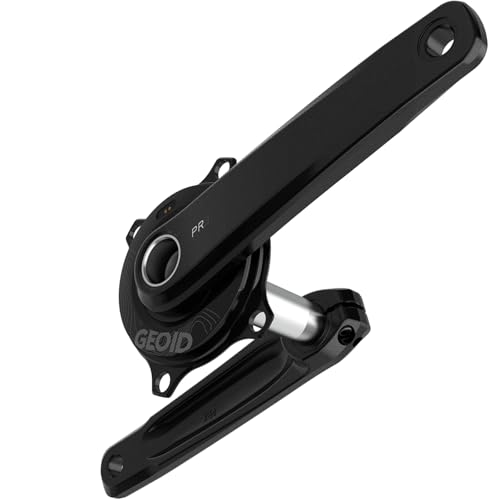
GEOID PM500 Bike Power Meter Crankset, ±1.5% Accuracy, Lightweight 680g, 300h Long Battery Life, 110BCD, Bluetooth & ANT+, IPX7 Waterproof Cycling Power Meter for Road Bikes – 165mm
【±1.5% Power Accuracy for Reliable Data】With a dual-sensor fusion algorithm that integrates high-sensitivity strain gauges with an accelerometer,…
As an affiliate, we earn on qualifying purchases.
As an affiliate, we earn on qualifying purchases.
Frequently Asked Questions
Can a Power Meter Improve My Overall Riding Performance?
Yes, a power meter can improve your overall riding performance by providing precise data for your training plans. It helps you identify your strengths and weaknesses, allowing you to tailor workouts effectively. In the real world, the benefits include better pacing, increased efficiency, and faster progress. By consistently monitoring your power output, you can make informed adjustments that lead to sustained improvements and a more rewarding riding experience.
How Often Should I Calibrate My Power Meter?
You should calibrate your power meter regularly, ideally before every ride or at least once a week, depending on your usage. Calibration frequency is essential for accurate data. Follow maintenance tips like keeping your crank or pedal clean and stored properly, and always calibrate in a consistent environment. Regular calibration ensures reliable readings, helping you make better training decisions and improve your overall performance on every ride.
Are There Compatibility Issues With Certain Bike Setups?
You might face compatibility issues depending on your bike setup, especially with certain bike types or frame designs. Always check the power meter’s bike compatibility before purchasing, as some models require specific adapters or customization. You may need setup adjustments to guarantee proper fit and accurate readings. Confirm that your crankset, bottom bracket, or hub is compatible to avoid issues during installation and riding.
What Is the Typical Lifespan of a Power Meter Device?
Your power meter typically lasts between 2 to 5 years, but battery life and durability concerns can vary. Imagine it quietly working through countless rides, facing rain, mud, and sweat, yet still reliable. As time passes, batteries may need replacing, and components might wear down. To maximize lifespan, follow manufacturer guidelines and keep it well-maintained. With proper care, your power meter can serve you reliably for many seasons.
Is a More Expensive Power Meter Worth the Investment?
A more expensive power meter can be worth the investment if you prioritize accuracy, durability, and advanced features. Conduct a cost analysis to see if the higher upfront cost justifies long-term benefits. Consider the brand reputation—reliable brands often provide better customer support and consistent data. If you’re serious about training and improving, investing in a premium power meter can offer valuable insights, making it a worthwhile expense.
GEOID PM500 Bike Power Meter Crankset, ±1.5% Accuracy, Lightweight 680g, 300h Long Battery Life, 110BCD, Bluetooth & ANT+, IPX7 Waterproof Cycling Power Meter for Road Bikes – 165mm
【±1.5% Power Accuracy for Reliable Data】With a dual-sensor fusion algorithm that integrates high-sensitivity strain gauges with an accelerometer,…
As an affiliate, we earn on qualifying purchases.
As an affiliate, we earn on qualifying purchases.
Conclusion
So, you’ve finally chosen your power meter based on your riding style—wise move! Now, just remember, whether you’re a weekend warrior or a Tour de France wannabe, your decision is as vital as your morning coffee. After all, nothing says “I’m serious about cycling” like obsessing over watts while pretending to enjoy the scenery. Happy riding, and may your power numbers always be as impressive as your ability to ignore your social life!

Powallon Electric Bike Brake Sensor Cable, 2-Pin Male, Safety Cut-Off Switch for Electric Bike, Scooter, Motorcycle
COMPATIBILITY: Universal 2-pin connector design for electric bike brake sensors, ensuring broad compatibility with various e-bike models
As an affiliate, we earn on qualifying purchases.
As an affiliate, we earn on qualifying purchases.

CYCPLUS GPS Bike Computer, Wireless Cycling Computer with Automatic Backlight, Bicycle Speedometer Odometer with Waterproof and Large Battery, Provide Professional Data Analysis(New Upgraded)
【Dynamic GPS Positioning】- This bike computer with higher sensitivity, higher accuracy, faster positioning. The GPS signal tracks your…
As an affiliate, we earn on qualifying purchases.
As an affiliate, we earn on qualifying purchases.