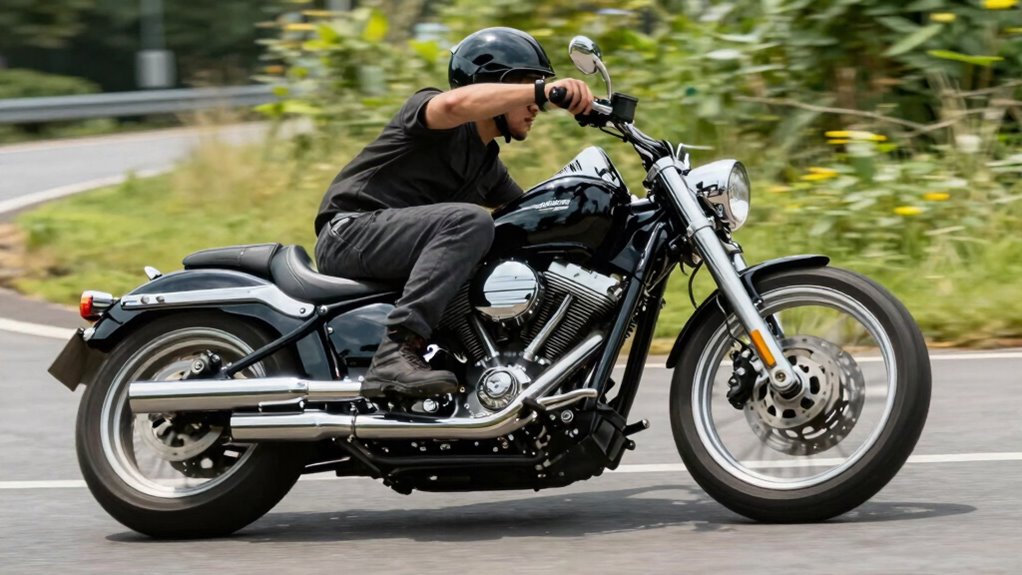

Your motor placement affects how your bike responds, handles, and feels during rides. When the motor is closer to the front wheel, you’ll notice sharper steering and quicker feedback, making the bike more agile. Moving it backward or lower shifts the weight, creating a smoother, more relaxed ride with better stability. This balance change impacts traction, comfort, and overall control. If you keep exploring, you’ll see how different setups shape your riding style and experience.
Key Takeaways
- Motor placement affects weight distribution, influencing steering responsiveness and handling agility.
- Forward positioning creates sharper, more reactive steering, while rearward placement offers relaxed, stable handling.
- Central motor positioning promotes balanced ride comfort and smooth maneuverability.
- Shifting motor placement alters balance and traction, impacting cornering and rider confidence.
- Suspension setup complements motor placement, further shaping overall ride quality and experience.
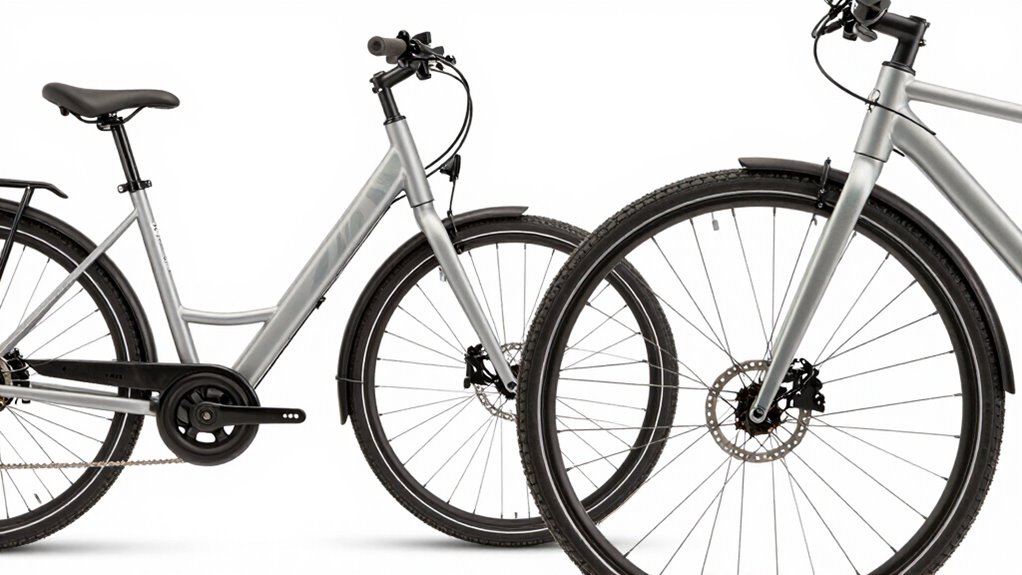
Your steering response is directly impacted by where the motor is mounted. When the engine is positioned closer to the front wheel, the bike tends to steer more sharply and feels more agile, giving you quick feedback through the handlebars. This setup is common in sport bikes, where precise and rapid steering response is *vital*. If the motor is mounted further back or lower, the steering can become more sluggish, leading to a more relaxed ride but less immediate input from the handlebars. This can be advantageous for longer, more comfortable rides, where stability and comfort take precedence over quick handling. The weight distribution created by motor placement influences how the bike reacts to your steering inputs, making it feel either more lively or more composed. Understanding how weight distribution impacts handling can help you optimize your riding experience. Your overall ride experience also hinges on how motor placement affects the bike’s balance. A centrally located engine tends to distribute weight evenly, resulting in smoother handling and easier maneuverability. Shifting the motor forward or backward shifts the weight bias, which can either enhance or hinder your control depending on your riding style. For aggressive cornering, a balanced or slightly forward engine placement helps maintain traction and stability. Additionally, the placement of the motor can influence the bike’s overall handling dynamics, impacting your confidence and safety on the road. Proper suspension setup can further complement motor placement to improve ride quality. Recognizing the impact of motor placement on overall balance can also assist in customizing your bike’s performance. For relaxed cruising, a rearward or lower placement creates a more planted feel. In the end, motor placement isn’t just about aesthetics or power; it’s about crafting a riding experience that aligns with your preferences, whether that’s sharp responsiveness or smooth comfort. Additionally, understanding motor placement and its impact on ride quality can help you choose a motorcycle that best fits your individual riding style and needs.
electric bike motor placement kit
As an affiliate, we earn on qualifying purchases.
As an affiliate, we earn on qualifying purchases.
Frequently Asked Questions
How Does Motor Placement Affect Vehicle Handling in Different Terrains?
You’ll notice that motor placement considerably affects vehicle handling across terrains. It influences suspension dynamics by altering how weight shifts during turns or bumps, providing better stability or agility. Placement also impacts weight distribution, which determines traction and responsiveness. For example, a rear-mounted motor offers more rear grip on rough terrain, while a front motor enhances control on smooth surfaces. Proper placement guarantees your vehicle adapts seamlessly to various terrains.
What Are the Cost Implications of Changing Motor Placement?
Changing motor placement impacts your costs through detailed cost analysis and manufacturing adjustments. You’ll need to invest in redesigning components, which can increase production expenses initially. Customizing the chassis and drivetrain may require new tools and processes, raising setup costs. However, over time, streamlined manufacturing and improved vehicle performance could offset these expenses. Overall, expect higher upfront costs but potential long-term savings depending on efficiency gains and market demand.
How Does Motor Placement Influence Battery Life and Efficiency?
Motor placement affects your battery life and efficiency by influencing weight distribution and cooling. When the motor is positioned centrally or low, it improves weight balance, reducing strain on the battery and enhancing efficiency. Proper battery cooling, often aided by strategic motor placement, prevents overheating, extending battery life. You’ll notice better range and performance because optimized placement helps maintain consistent temperatures and balanced weight, making your ride smoother and more reliable.
Can Motor Placement Changes Be Made to Existing Vehicles?
Changing motor placement is like reshaping a sculpture—you can transform the whole ride. You can perform a motor upgrade or aesthetic modification to an existing vehicle, but it’s complex. It involves reconfiguring parts, adapting the drivetrain, and ensuring compatibility. While possible, it requires expert knowledge and significant effort. Think of it as giving your car a new heart—refreshing its character, but demanding careful planning and skilled execution.
What Safety Considerations Are Affected by Different Motor Placements?
Motor placement affects safety by influencing motor cooling and noise levels. Placing the motor centrally or lower helps improve cooling, reducing overheating risks during operation. It also can lower noise levels, making your ride quieter and less distracting. However, improper placement might cause imbalance or interfere with other components, so you should carefully consider placement to guarantee ideal cooling, safety, and comfort. Always consult with experts for best results.
Conclusion
So, next time you’re marveling at a bike’s snappy handling or smooth glide, remember—it’s all about where the motor decided to plant itself. Who knew that a simple move could turn your joyride into a rollercoaster? So, pick your motor’s spot wisely—because, clearly, your bike’s personality isn’t just a matter of style, but a sneaky little trick of placement. Happy riding, genius!