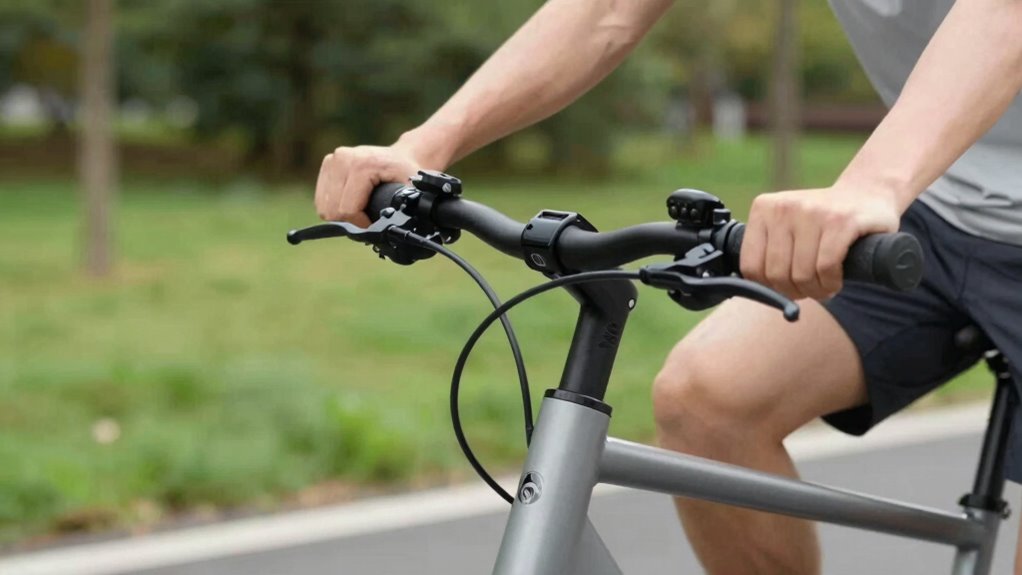

Adjusting your e-bike’s assist levels does more than just change your speed; it affects battery life, ride comfort, and energy use. Higher assist levels draw more power, which can wear out your battery faster and reduce overall lifespan. Lower assist gives you more control and stamina building, while mid or high levels boost confidence on tough climbs. If you continue exploring, you’ll discover how managing assist wisely can optimize your ride and keep your bike running smoothly longer.

Get sports gear delivered free with Prime
- Fast, free delivery on millions of items
- Prime Video, Amazon Music and more included
- Member-only deals all year
Key Takeaways
- Assist levels influence power consumption and battery drain, impacting ride duration more than just speed changes.
- Higher assist increases motor support, which can stay consistent regardless of actual riding speed.
- Adjusting assist levels affects ride effort and endurance, independent of the bike’s top speed.
- Speed may remain the same, but varying assist levels alter energy use and battery wear.
- Assist settings modify rider support, impacting ride performance and battery health beyond just speed adjustments.

Have you ever wondered if increasing assist levels on your e-bike does more than just boost speed? When you adjust the assist, you’re not only changing how fast you go—you’re also impacting other critical aspects of your ride. One of the most significant considerations is battery longevity. Higher assist levels demand more power from your battery, which can lead to faster wear and reduce its overall lifespan over time. If you frequently ride with maximum assist, you might find yourself needing a new battery sooner than expected, especially if you don’t manage your usage carefully. Conversely, by choosing a lower assist level during casual rides, you can extend your battery’s life and get more miles from each charge. So, it’s not just about going faster; it’s about balancing performance with the long-term health of your e-bike’s power source. Understanding battery management can help you make smarter choices to preserve your battery’s health.
But the effects of assist levels go beyond just battery health. They also influence your rider confidence. When you increase the assist, especially on steep inclines or challenging terrains, you feel more secure and capable. This boost in support can encourage you to tackle routes you might have avoided before, knowing that the motor will assist you through tough spots. It can make your ride more enjoyable and less stressful, giving you that extra push to explore new trails or extend your usual routes. On the other hand, riding with lower assist levels demands more effort from you, which can be a good way to build strength and endurance. Additionally, understanding the power consumption of your e-bike can help you plan your rides better and avoid unexpected battery drain. Being aware of the assist levels and their impact on your ride can also help you optimize your energy conservation strategies, ensuring longer, more enjoyable rides. Using the proper assist level for different conditions can also optimize your overall riding experience. However, if you’re not comfortable or confident in your riding skills, turning up the assist can be a game-changer, making you feel more in control and less fatigued.
As an affiliate, we earn on qualifying purchases.
Frequently Asked Questions
How Do Assist Levels Affect Battery Life on E-Bikes?
Adjusting assist levels directly impacts your e-bike’s battery life. Using higher assist levels demands more power, leading to faster battery drain. To conserve your battery, you should select lower assist levels when possible, which improves motor efficiency and extends riding range. By managing assist levels wisely, you optimize battery conservation, ensuring your e-bike lasts longer on each ride while still providing the assistance you need.
Can Assist Levels Be Customized for Different Terrains?
Yes, you can customize assist levels for different terrains, turning your ride into a chameleon adapting to every landscape. With terrain customization, you can dial assist level variability to match steep hills or smooth paths, ensuring ideal performance. This flexibility allows you to conserve battery life on gentle descents and get extra power during climbs. So, you control your e-bike’s response, making each ride as tailored and dynamic as your surroundings demand.
Do Assist Levels Impact the Handling or Stability of the Bike?
Yes, assist levels can impact your bike’s handling and stability. When you increase assistance, it effectively reduces the bike’s weight on your hands, making steering easier, especially for less experienced riders. However, higher assist levels might make the bike feel less responsive, requiring better rider skill to maintain control. Conversely, lower assist levels offer more direct handling but demand more effort from you, influencing overall stability.
How Do Assist Levels Influence Rider Fatigue Over Long Distances?
Adjusting assist levels can considerably influence your rider fatigue over long distances. When you use higher assist levels, it reduces physical effort, helping maintain mental endurance and keeping you motivated. Conversely, lower assist levels challenge your muscles more, which can lead to quicker fatigue but also build strength. Finding the right assist level balances rider motivation and mental stamina, allowing you to enjoy longer rides without exhausting yourself prematurely.
Are There Safety Considerations When Adjusting Assist Levels Frequently?
Switching assist levels frequently can pose safety risks, as it might distract you or cause sudden changes in power. While assist level safety is essential, constant adjustments can lead to loss of control or imbalance. To stay safe, make adjustments gradually and plan ahead, avoiding sudden shifts while riding. Remember, maintaining focus on the road is important; frequent adjustments should be done carefully to prevent accidents.
Conclusion
So, next time you tweak your e-bike’s assist levels, remember—you’re not just changing speed; you’re wielding the power to transform your entire ride. With each adjustment, you’re rewriting the rules of how effortlessly you conquer hills, how smoothly you glide over terrain, and how your journey becomes an epic adventure. Don’t just ride—commandeer your experience, because these small changes can turn an ordinary trip into a legendary voyage, all at your fingertips.
NFL season / tailgating Picks
team gear
As an affiliate, we earn on qualifying purchases.