
Many top bike skills aren’t just about physical ability—they rely heavily on your mental resilience and strategic planning. Your mindset helps you stay calm after setbacks and keeps you motivated. Breaking down tricks into manageable parts and visualizing success boost your confidence and technique. Resilience allows you to recover from mistakes quickly and handle pressure with focus. If you want to discover how mental skills can release your full potential, there’s more to explore ahead.

Get sports gear delivered free with Prime
- Fast, free delivery on millions of items
- Prime Video, Amazon Music and more included
- Member-only deals all year
Key Takeaways
- Mental resilience enables smooth execution of complex tricks, even when physical skills are mastered.
- Strategic planning helps break down skills into manageable steps, reducing reliance solely on physical ability.
- Visualization and mental preparation enhance performance, making skills feel automatic without physical strain.
- Handling setbacks with a resilient mindset maintains motivation and prevents frustration from hindering progress.
- Success in bike skills depends on mindset, focus, and emotional control, not just physical strength or technique.
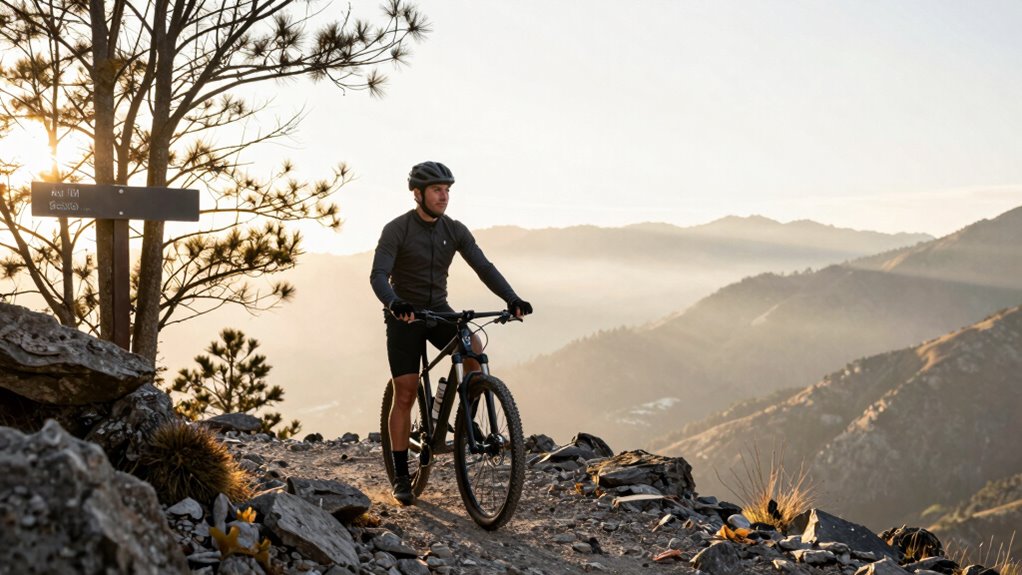
While mastering bike tricks often seems like a matter of physical ability, some of the most important skills are actually mental and emotional. You might spend hours practicing jumps, spins, or balance, but without the right mindset, progress stalls. Developing mental resilience is key. When you face a failed attempt or a trick that just won’t click, it’s easy to get frustrated. But if you can stay calm and keep pushing forward, you’ll find that setbacks become stepping stones. Mental resilience isn’t about never falling; it’s about bouncing back quicker and learning from each mistake. It helps you maintain focus, even when your confidence dips, and keeps you motivated to improve.
Strategic planning plays a crucial role in elevating your skills. Before attempting a new trick, you need to think through every step. Break the trick down into manageable parts, visualize each movement, and anticipate potential issues. This mental prep prepares you to execute with precision. Instead of blindly trying a move over and over, you evaluate what’s working and what isn’t, adjusting your approach accordingly. Planning also involves understanding your limits. Recognize when to push yourself and when to take a step back. This strategic mindset prevents injury and helps you progress steadily. Additionally, practicing mental preparation can significantly enhance your ability to perform under pressure. Developing a consistent routine can further strengthen your mindset and boost confidence. Incorporating focused practice into your routine ensures that each training session targets specific skills and weaknesses, leading to more efficient progress. Recognizing the importance of mental skills can make a substantial difference in your overall development.
You’ll also find that mental resilience and strategic planning work together. When you hit a plateau, instead of giving up, you analyze what’s holding you back. Maybe it’s a technique you need to refine or a mental block you need to overcome. By consciously planning your practice sessions, you can focus on specific weaknesses and gradually build confidence. This approach reduces frustration and keeps your motivation high. Incorporating visualization techniques into your routine can also help you imagine success and prepare your mind for performing difficult tricks.
Furthermore, mental resilience helps you stay calm under pressure, especially during competitions or challenging runs. When you’re composed, you make better decisions and execute tricks more cleanly. Staying emotionally steady allows you to handle the inevitable failures and setbacks with grace, rather than quitting outright. Over time, these skills become second nature, transforming your approach to riding from reckless attempts to strategic mastery.
In essence, the mental aspects of biking—resilience and planning—are just as vital as physical prowess. They enable you to learn faster, stay motivated, and perform with confidence. By cultivating a strong mindset and thoughtful strategies, you’ll unlock new levels of skill that mere physical effort can’t achieve alone.
bike trick visualization training aids
As an affiliate, we earn on qualifying purchases.
As an affiliate, we earn on qualifying purchases.
Frequently Asked Questions
How Do Mental Skills Influence Cycling Performance?
Your mental skills, like mental toughness and cognitive strategies, considerably influence your cycling performance. Staying focused, managing stress, and maintaining confidence help you navigate tough terrains and setbacks. By practicing visualization, goal-setting, and positive self-talk, you enhance your resilience and decision-making. These mental skills boost your ability to stay calm under pressure and adapt quickly, ultimately improving your overall cycling efficiency and enjoyment.
Can Mindset Impact Riding Confidence?
Yes, your mindset can profoundly impact riding confidence. When you experience a mindset shift toward positive thinking and self-belief, you naturally become more confident on your bike. Confidence building often starts with small wins that reinforce your ability, creating a cycle of encouragement. You might find that a simple shift in attitude, like embracing mistakes as learning opportunities, helps you ride more confidently and enjoy your rides even more.
What Role Does Focus Play in Bike Skills?
Focus plays a vital role in your bike skills by sharpening your attention focus and maintaining mental clarity. When you stay fully present, you’re better able to anticipate obstacles, make quick decisions, and execute maneuvers smoothly. Distractions weaken your concentration, increasing mistakes. By honing your focus, you enhance your riding precision and confidence, allowing you to perform complex skills more effectively and safely. Staying mentally clear keeps your skills sharp and your ride enjoyable.
How Important Is Emotional Resilience for Cyclists?
Imagine channeling your inner Robin Hood—emotional resilience is essential for cyclists. It builds your emotional endurance, helping you stay calm during tough climbs or unexpected obstacles. Mental toughness keeps you focused and confident, even when setbacks occur. Without it, fear or frustration can take over, hindering your progress. Prioritizing emotional strength guarantees you ride smarter, safer, and with more enjoyment, turning challenges into opportunities for growth.
Do Visualization Techniques Improve Riding Abilities?
Yes, visualization techniques can considerably improve your riding abilities. By practicing mental rehearsal, you mentally simulate riding scenarios, which sharpens your skills and builds confidence. Maintaining a strong visual focus helps you stay aware of your surroundings and anticipate obstacles. These mental strategies enhance your overall riding performance, enabling you to react more quickly and ride more smoothly, even in challenging conditions.
Conclusion
Remember, mastering bike skills isn’t just about strength or balance—it’s about mindset. Think of riding as steering a ship through calm and stormy seas; your confidence and focus guide you more than your muscles. I once watched a rider conquer a tricky trail not with brute force, but with calm clarity. Like that rider, you’ll find the best skills come from mental resilience, patience, and belief—turning every ride into a smooth voyage.
Halloween Picks
halloween
As an affiliate, we earn on qualifying purchases.