Electric bikes for bikepacking need more than motor power: range, stable handling, practical carrying options, and a battery you can recharge along the way all affect how well a bike suits a loaded trip. From the listed models, I’d start with the Jasion Roamer/ST as the best overall balance of all-terrain intent and stated range, while the Aipas C1 Max stands out for its removable battery and claimed range, and the Qlife Racer offers a slimmer-tire alternative for lighter routes. The central tradeoff is between fat tires and extra traction on rough ground versus lower weight and easier rolling on pavement, with battery capacity and cargo setup adding further choices. Range claims are not guarantees, especially when carrying gear or climbing. Read on for the full comparison, selection criteria, buying advice, and recommendations by rider type.

Get sports gear delivered free with Prime
- Fast, free delivery on millions of items
- Prime Video, Amazon Music and more included
- Member-only deals all year
Complete the kit


Key Takeaways
- The Jasion Roamer/ST is my best overall starting point because its all-terrain positioning and stated 40–62-mile range make it a more balanced bikepacking candidate than models defined mainly by high peak power.
- The Aipas C1 Max pairs a removable battery with an 85-mile claim, a useful combination for riders who expect to charge indoors or plan longer days, though real distance depends on load, terrain, and assist use.
- Fat tires dominate the lineup, which favors traction and comfort on loose routes but can mean more rolling resistance and bulk than the Qlife Racer’s 26×2.1-inch tires.
- High peak wattage is not a substitute for touring range: several bikes advertise 1,500W or 2,000W peak output, while battery capacity, efficient assist, and a reliable charging plan matter more on multi-day rides.
- Only some listings call out practical touring details, such as a rear rack and fenders on the 1,000W peak fat-tire bike; check mounting points, rack capacity, and loaded handling before choosing any model.


| electric bikes for bikepacking | Battery | Motor | Claimed range | Tires |
|---|---|---|---|---|
| Funhang Electric Fat Tire Bike | 48V 13Ah removable lithium-ion | 500W, 1000W peak | 30–35 miles electric; 55–60 miles pedal assist | 26 × 4.0 in |
| Electric Bike for Adults | 48V 13Ah waterproof lithium-ion | 1000W peak brushless | 55–60 miles pedal assist; 28–30 miles full electric | 26 × 4.0 in |
| Jasion Thunder PRO Electric Bi | 48V 18Ah | 1800W peak | Up to 80 miles | 26 × 4 in |
| Jasion RetroVolt 330 Fat Tire | 48V 15Ah removable | 2000W peak | — | 20 × 4.0 in |
| Electric Bike for Adults | 48V 374.4Wh removable, waterproof | 500W, 1000W peak | 40–50 miles pedal assist | — |
| 20-Inch Adult Electric Bike wi | 48V 20.8Ah, 709Wh | 1500W | Up to 70 miles in pure electric mode | 20 × 4 inches |
| EB3S Electric Bike for Adults | 540Wh, 15Ah removable lithium-ion | 1500W peak brushless | — | — |
| Deepower Electric Fat Tire Bik | 48V 20Ah removable | — | Up to 70 miles electric; up to 100 miles pedal assist | 20 × 4-inch puncture-resistant fat tires |
| Aipas C1 Max Electric Bike for | 48V 18Ah, 864Wh removable | 1100W peak | 40–60 miles; up to 85 miles in pedal-assist mode | — |
| Jasion Roamer/ST 26-inch Elect | 528Wh removable | 1200W peak | 40–62 miles | — |
| Ancheer Electric Bike for Adul | 48V/374Wh lithium battery | 500W brushless geared motor | — | — |
| Qlife Racer Electric Bike for | 375Wh removable battery | 1000W brushless motor | — | 26 x 2.1 inches |
| Electric Bike for Adults 2000W | 48V 19.2Ah lithium-ion | 2000W peak | — | 27.5 x 2.1 inches |
More Details on Our Top Picks
Funhang Electric Fat Tire Bike, 500W Motor, 48V 13Ah Battery
I’d put the Funhang near the top for bikepackers who want a conventional fat-tire setup without the speed emphasis of the Jasion Thunder PRO. Its 26 × 4.0-inch tires and front suspension offer more cushion on rough tracks, while the removable 48V battery makes charging easier when a campsite or lodging has no outlet near bike storage. The rear rack is rated for 60 pounds, useful for bags, though that limit means I wouldn’t plan on stacking a heavy load there. Claimed pedal-assist range reaches 55–60 miles, but terrain, rider weight, and luggage can cut into that figure. At 20 mph, it favors steady travel over fast road sections. The tradeoff is a heavier, less minimal bike than a traditional touring setup, plus some assembly after delivery.
Pros:- 26 × 4.0-inch tires and front suspension suit rough paths and loose surfaces.
- Removable battery simplifies charging away from the bike.
- Rear rack, lights, and turn signals add useful trip equipment.
- Dual 180 mm disc brakes provide braking hardware for loaded riding.
Cons:- The 60 lb rear-rack limit constrains how much gear can ride behind the saddle.
- Real-world range can fall well below the claim with hills, luggage, or frequent throttle use.
- Some assembly is required, and the bike is not described as lightweight.
Best for: Bikepackers seeking fat tires, a rack, and a removable battery for moderate-distance trips on mixed surfaces.
Not ideal for: Riders planning long, remote routes with heavy rear luggage or those prioritizing a light bike that is easy to carry.
- Motor:500W, 1000W peak
- Torque:66.6 N·m
- Battery:48V 13Ah removable lithium-ion
- Claimed range:30–35 miles electric; 55–60 miles pedal assist
- Tires:26 × 4.0 in
- Gears and suspension:7 speeds; front suspension
- Brakes:Dual 180 mm disc
- Rear rack capacity:60 lbs
- Certifications:UL 2271 battery; UL 2849 whole bike
Our verdict“Choose the Funhang for mixed-surface bikepacking with a practical rack and removable battery, but pack within the rack limit and plan conservatively around range.”
Electric Bike for Adults, 1000W Peak Ebike, 60 Miles Range, 26″ Fat Tire Mountain Bike with 48V 13AH Battery, Rear Rack, Fenders, Front Suspension, UL 2849 Certified
This bike suits riders who want a fat-tire platform with a rear rack and fenders already included, rather than assembling a trip setup from scratch. Its claimed 55–60-mile pedal-assist range matches the Funhang’s stated range, and both use 26-inch, 4-inch-wide tires with front suspension. The differentiator here is the listed waterproof battery and multiple riding modes, including cruise and throttle; the compromise is its documented 68.3 lb weight, which makes stairs, vehicle loading, and portages a chore. A 1000W peak motor may help on demanding stretches, but the supplied information does not give a rack capacity, so I’d verify luggage limits before relying on it for a loaded route. It makes more sense for accessible roads and trails than frequent carry-and-hike sections.
Pros:- Fat tires and front suspension are suited to varied surfaces.
- Rear rack and fenders support practical trip setup and wet-weather riding.
- Waterproof 48V 13Ah battery is listed with up to 55–60 miles of pedal-assist range.
- Multiple riding modes give riders options for different terrain and effort levels.
Cons:- At 68.3 lbs, it is cumbersome for carrying, portages, and vehicle loading.
- Rack capacity is not provided, leaving a key luggage-planning detail unclear.
- The 6.5-hour charging time may be inconvenient on short overnight stops.
Best for: Weekend bikepackers who want included rack-and-fender utility and expect to ride routes where carrying the bike is rare.
Not ideal for: Tourers who need a known high-capacity luggage rack, or riders who must lift and transport their bike often.
- Motor:1000W peak brushless
- Battery:48V 13Ah waterproof lithium-ion
- Claimed range:55–60 miles pedal assist; 28–30 miles full electric
- Tires:26 × 4.0 in
- Weight:68.3 lbs
- Maximum load:330 lbs
- Charging time:About 6.5 hours
- Certification:UL 2849 and UL 2271
Our verdict“Pick this model for rack-equipped weekend routes where its weight is manageable, but confirm rack capacity before planning a fully loaded trip.”
Jasion Thunder PRO Electric Bike 2000W Peak, 26” Fat Tire, 80+ Mile Range, 35+ MPH Max Speed, 400 lb Capacity
The Thunder PRO is the strongest fit here for riders carrying a heavier combined load or facing steep, demanding routes: its 400 lb load capacity exceeds the other listed bikes, and its 48V 18Ah battery has the largest stated capacity in this five-bike group. The product data claims up to 80 miles, but I would treat that as a best-case figure rather than a loaded-route guarantee. Compared with the Funhang, this Jasion adds dual hydraulic disc brakes and far more power, but its 35+ mph top speed is a mixed blessing for bikepacking: it can help on open roads, while demanding more rider control and complicating route and local-rule choices. The heavy build also works against carrying the bike over obstacles. I’d choose it for power and payload, not for a light, quiet touring experience.
Pros:- 400 lb load capacity gives more headroom for rider and bikepacking gear.
- 48V 18Ah battery is the largest stated battery in this five-bike selection.
- Dual hydraulic disc brakes offer stronger, more controlled braking hardware than the mechanical systems listed on some alternatives.
- 26 × 4-inch tires support riding on varied surfaces.
Cons:- Its 35+ mph capability is excessive for many loaded bikepacking routes and calls for confident handling.
- Heavy weight makes carrying and transport harder.
- The up-to-80-mile range is not a dependable loaded-trip estimate.
Best for: Experienced riders carrying a substantial total load who prioritize motor power, hydraulic brakes, and a large stated battery capacity.
Not ideal for: New e-bike riders, lightweight tourers, or anyone whose routes include frequent stairs, portages, or speed-restricted paths.
- Motor:1800W peak
- Battery:48V 18Ah
- Claimed range:Up to 80 miles
- Maximum speed:35+ mph
- Tires:26 × 4 in
- Load capacity:400 lbs
- Brakes:Dual hydraulic disc
- Warranty:24 months on motor, battery, and controller
Our verdict“Choose the Thunder PRO if you need high load capacity and power and can manage its speed and weight; skip it for lightweight or beginner-focused touring.”
Jasion RetroVolt 330 Fat Tire Electric Bike
The RetroVolt 330 takes a different path from the 26-inch Funhang and Thunder PRO: its 20 × 4.0-inch tires and retro format suggest a more compact-feeling ride, while dual suspension can smooth broken pavement and rough campground approaches. Its removable 48V 15Ah battery and stated range of up to 70 miles look appealing, but I wouldn’t read that claim as a loaded bikepacking distance without route-specific testing. A 330 lb payload capacity and rear seat pad add everyday flexibility, though the description does not give the bike’s own weight or a separate luggage-rack limit. That uncertainty matters when choosing a bike for carrying gear over distance. Compared with the Funhang, it offers dual rather than front-only suspension and a larger battery, but its shorter wheels may not suit riders seeking a conventional touring-bike feel.
Pros:- Dual suspension can add comfort over rough surfaces.
- Removable 48V 15Ah battery is larger by stated capacity than the Funhang’s 13Ah unit.
- 330 lb payload capacity and rear seat pad broaden everyday carrying options.
- Five riding modes and a 7-speed drivetrain offer flexibility across riding conditions.
Cons:- Bike weight and a specific luggage-rack capacity are not provided.
- 20-inch wheels may feel less like a conventional touring setup than the 26-inch alternatives.
- The up-to-70-mile claim may not reflect the demands of loaded riding.
Best for: Riders taking shorter mixed-surface trips who value dual suspension, a removable battery, and everyday passenger or cargo flexibility.
Not ideal for: Bikepackers who need a documented rack rating, prefer 26-inch wheels, or must know the bike’s weight before planning transport.
- Motor:2000W peak
- Torque:99 N·m
- Battery:48V 15Ah removable
- Maximum claimed range:Up to 70 miles
- Tires:20 × 4.0 in
- Suspension:Dual
- Drivetrain and modes:7-speed; 5 riding modes
- Payload capacity:330 lbs
- Charging time:About 5–6 hours
Our verdict“Consider the RetroVolt for shorter trips where suspension and removable-battery convenience matter more than a known rack limit or traditional touring-wheel size.”
Electric Bike for Adults, 26-Inch 500W Peak Motor, 20MPH, 50 Miles Range, Removable 48V Battery, 7-Speed, Front Suspension, LCD Display
For bikepackers who value a 20 mph speed limit and a removable battery over high output, this 500W option is the calmer alternative to the Jasion Thunder PRO. Its 40–50-mile pedal-assist claim is below the Funhang’s 55–60 miles, but the listed 4–5-hour charging time is shorter than the roughly 6.5 hours given for the Funhang and the other 13Ah fat-tire model. That can help when charging windows are brief, though trip distance still depends on terrain, rider, and luggage. Front suspension, seven speeds, and a 26-inch frame support general mixed-surface riding, but the supplied specs do not list tire width, a rack, or a payload rating. Those omissions make it harder to judge loaded-tour suitability than the rack-equipped Funhang.
Pros:- Removable 48V battery makes charging away from the bike more convenient.
- Listed 4–5-hour charge time is shorter than the Funhang’s stated charge time.
- 20 mph top speed suits riders who do not need the Thunder PRO’s much higher speed capability.
- Front suspension, seven speeds, and an LCD display cover basic mixed-terrain and ride-information needs.
Cons:- Claimed 40–50-mile pedal-assist range is modest for longer, loaded routes.
- The provided data does not specify a rack, tire width, or payload capacity.
- Some assembly is required, and actual range varies with terrain and rider load.
Best for: Bikepackers on shorter routes with regular charging access who prefer a moderate 20 mph bike and a removable battery.
Not ideal for: Riders needing a specified luggage rack, wide fat tires, or confidence in long stretches between charging points.
- Motor:500W, 1000W peak
- Maximum speed:20 mph
- Battery:48V 374.4Wh removable, waterproof
- Claimed range:40–50 miles pedal assist
- Charging time:4–5 hours
- Frame size:26 inches
- Gears and suspension:7-speed; front suspension
- Display:LCD
- Certifications:UL 2849 and UL 2271
Our verdict“Choose this bike for shorter, charge-accessible trips and moderate speeds, but look elsewhere if your packing plan depends on a rated rack or long range.”
20-Inch Adult Electric Bike with 1500W Motor and 48V 20.8Ah Battery
For bikepackers prioritizing wide-tire comfort on mixed or rough surfaces, this 20-inch model pairs 4-inch tires with dual suspension, giving it more cushioning than the Jasion Roamer/ST’s 26-inch tires and front-only fork. Its 709Wh battery and three riding modes offer flexibility between motor use and pedaling, though the claimed 70-mile range is not a dependable trip-planning figure without accounting for terrain and load. The tradeoff is substantial: at 88 pounds, lifting it onto a rack or carrying it over obstacles will be harder than managing a conventional touring-style setup. I’d choose it for routes where fat tires and suspension matter more than efficient packing or easy handling. The top-speed claims also conflict, so I would not select it based on speed.
Pros:- 20 × 4-inch tires and dual suspension suit rougher surfaces.
- 709Wh battery offers more stated capacity than the EB3S’s 540Wh battery.
- Three riding modes and a 7-speed drivetrain provide flexible power and pedaling options.
- Front and rear disc brakes, lights, and an LCD display are included.
Cons:- 88-pound weight makes transport and hike-a-bike sections difficult.
- The description gives conflicting top-speed claims of 30 and 35 mph.
- The stated range depends on rider weight and road conditions.
Best for: Riders planning supported trips on bumpy paths who value fat-tire traction and suspension over a light, easy-to-carry bike.
Not ideal for: Bikepackers who need to lift their bike onto transit, carry it over barriers, or prioritize efficient long-distance pedaling.
- Motor:1500W
- Battery:48V 20.8Ah, 709Wh
- Claimed range:Up to 70 miles in pure electric mode
- Tires:20 × 4 inches
- Suspension:Dual suspension
- Drivetrain:7-speed
- Brakes:Front and rear disc brakes
- Weight:88 pounds
Our verdict“Choose this bike for rough, supported routes where fat tires and dual suspension matter more than low weight or easy carrying.”
EB3S Electric Bike for Adults, 1500W Peak Motor, 26-Inch Tires
The EB3S is the most restrained choice here for riders who want a 26-inch wheel platform and several ways to manage power on a long day. Its removable 540Wh battery is smaller than the Deepower’s 48V 20Ah pack, but taking it indoors or charging it separately can simplify overnight stops. The advertised pedal-assist range reaches 80 miles, though actual distance will vary with terrain, cargo, and assist level. Five modes, including walk assist, give it more mode flexibility than the Jasion Roamer/ST, while the 7-speed Shimano drivetrain supports ordinary pedaling. The limits are a 20 mph stated top speed and front-only suspension; this is less suited to fast, rough trails than the fat-tire, dual-suspension options. Its cited safety certifications also make it a clearly specified pick for riders who value that documentation.
Pros:- Removable 540Wh battery is easier to charge away from the bike.
- Advertised pedal-assist range reaches up to 80 miles.
- Five riding modes include walk assist and pedal-only operation.
- 7-speed Shimano drivetrain, front suspension, and mechanical disc brakes are specified.
Cons:- 20 mph top speed is lower than the 28 mph claims for the Deepower and Jasion Roamer/ST.
- Front suspension only offers less bump control than dual-suspension alternatives.
- A 5–6 hour charge can constrain quick turnarounds between riding days.
Best for: Touring riders who want a removable battery, pedal-assist range claims, and multiple riding modes for mixed paved and light-trail routes.
Not ideal for: Riders carrying heavy loads over rough trails or seeking a higher stated top speed and dual suspension.
- Motor:1500W peak brushless
- Battery:540Wh, 15Ah removable lithium-ion
- Pedal-assist range:Up to 80 miles
- Top speed:20 mph
- Wheels:26-inch puncture-resistant tires
- Drivetrain:7-speed Shimano
- Riding modes:Five
- Brakes:Front and rear mechanical disc brakes
- Charging time:5–6 hours
Our verdict“Pick the EB3S for pedal-assist-oriented touring with a removable battery, provided its 20 mph speed and front-only suspension fit your routes.”
Deepower Electric Fat Tire Bike for Adults, 2000W Peak Motor, 48V 20Ah Battery
Among these five, the Deepower pairs the clearest high-capacity battery figure with a removable 48V 20Ah pack and stated range claims of up to 70 miles on electric power or 100 miles with pedal assist. Those figures make it appealing for riders who want a fat-tire bike and expect to manage power carefully over a longer route; they are claims, not guarantees, especially with bags, hills, or soft ground. Its 20 × 4-inch tires and dual suspension are better matched to rough surfaces than the Aipas C1 Max’s front-adjustable suspension. The cost in practicality is the compact 20-inch wheel format and the need for final assembly. I’d favor it over the 20-inch 1500W model when the battery’s stated capacity matters most, but neither is a light, nimble choice for carrying or fast touring.
Pros:- Removable 48V 20Ah battery has a clearly stated capacity.
- Advertised range reaches up to 100 miles in pedal-assist mode.
- 20 × 4-inch tires and dual suspension suit uneven surfaces.
- Dual disc brakes and 90% pre-assembly are specified.
Cons:- Stated range varies by riding mode and real-world conditions.
- Final assembly is required before riding.
- The 20-inch fat-tire format favors cushioning over a conventional touring feel.
Best for: Bikepackers who want a removable, high-capacity battery and fat tires for mixed-surface trips with charging stops planned.
Not ideal for: Riders who prioritize a lightweight touring bike, simple setup, or range certainty on remote routes.
- Peak motor power:2000W
- Battery:48V 20Ah removable
- Claimed range:Up to 70 miles electric; up to 100 miles pedal assist
- Top speed:28 mph
- Tires:20 × 4-inch puncture-resistant fat tires
- Suspension:Front fork and rear shock
- Drivetrain:7-speed
- Brakes:Dual disc brakes
- Warranty:1 year
Our verdict“Choose the Deepower if a removable 20Ah battery and fat-tire comfort outweigh easy assembly and lightweight handling.”
Aipas C1 Max Electric Bike for Adults – 85 Miles Range, 1100W Peak Motor, 24″ All Terrain Ebike with Removable Battery
The Aipas C1 Max earns its place for riders whose bikepacking setup pushes beyond what many frames are specified to carry: its stated 500-pound load capacity is far above the 265-pound limit listed for the 20-inch 1500W model. The removable 864Wh battery and claimed pedal-assist range of up to 85 miles also suit longer days, though the description gives a broader 40–60-mile range alongside that maximum. Its 24-inch all-terrain tires sit between the compact fat-tire bikes and the Jasion Roamer/ST’s 26-inch wheels, while front adjustable suspension is less cushioned than the Deepower’s dual setup. Carbon-steel construction and the heavy-duty capacity suggest a substantial bike, and the listing does not provide its weight. I’d shortlist it for bulky cargo, but confirm fit and handling expectations before choosing it for remote, technical trails.
Pros:- Stated 500-pound load capacity accommodates substantial combined rider and cargo weight.
- Removable 864Wh battery is the largest specified battery in this group.
- Pedal-assist range is claimed up to 85 miles.
- IP65 water-resistance rating, dual disc brakes, and front lighting are specified.
Cons:- High-capacity frame and tires are likely to make handling and transport less convenient; exact bike weight is not listed.
- Suspension is front-only, unlike the Deepower’s front-and-rear setup.
- Assembly may require technical skills, according to the product details.
Best for: Riders carrying bulky camping gear or heavier combined rider-and-cargo loads who need a high stated capacity and removable battery.
Not ideal for: Lightweight tourers or riders who want a documented bike weight, dual suspension, or a straightforward assembly process.
- Motor:1100W peak
- Battery:48V 18Ah, 864Wh removable
- Claimed range:40–60 miles; up to 85 miles in pedal-assist mode
- Top speed:28 mph
- Tire size:24 inches
- Load capacity:500 pounds
- Suspension:Front adjustable
- Brakes:Dual disc brakes
- Water resistance:IP65
Our verdict“The C1 Max is the strongest fit here for cargo-heavy bikepacking, if you can accept a substantial bike and front-only suspension.”
Jasion Roamer/ST 26-inch Electric Bike for Adults, 1200W, 28 MPH, 40-62 Miles Range, All Terrain
The Jasion Roamer/ST is the most conventional fit in this group for routes dominated by pavement and maintained paths: its 26-inch wheels and front fork with 80mm of travel offer a familiar format compared with the Deepower’s 20-inch fat tires and dual suspension. A removable 528Wh battery simplifies charging at an overnight stop, while the stated 40–62-mile range gives a useful planning bracket rather than a single maximum. Its 1200W peak motor and 28 mph claimed top speed provide more speed headroom than the EB3S, whose stated limit is 20 mph. But the Jasion lacks listed tire width, drivetrain details, and a weight capacity, making it harder to judge how it will handle a loaded bikepacking setup. I’d choose it for smoother routes, not as my pick for heavily loaded or rough-trail travel.
Pros:- Removable 528Wh battery can be charged separately from the bike.
- 26-inch wheels and 80mm front-fork travel suit maintained paths and mixed pavement.
- Stated range is 40–62 miles.
- Lighting system and LCD display support visibility and ride information.
Cons:- No weight-capacity figure is provided, complicating loaded-trip planning.
- Front-only suspension offers less support on rough trails than the Deepower’s dual suspension.
- A 6–7 hour charge may be inconvenient during short overnight stops.
Best for: Riders building a pavement-heavy touring route who want 26-inch wheels, a removable battery, and front suspension.
Not ideal for: Bikepackers hauling heavy cargo or prioritizing wide tires, dual suspension, and clearly stated load limits.
- Motor:1200W peak
- Battery:528Wh removable
- Claimed range:40–62 miles
- Top speed:28 mph
- Wheel size:26 inches
- Suspension:Front fork with 80mm travel
- Brakes:Mechanical disc brakes
- Charging time:6–7 hours
Our verdict“Pick the Roamer/ST for pavement-led tours with moderate cargo, but choose a fat-tire or higher-capacity alternative for rough, heavily loaded trips.”
Ancheer Electric Bike for Adults, 26-inch Mountain Ebike with 48V/374Wh Battery, 19.8 MPH, 7/21 Speed, UL2849 Certified
The Ancheer is the most measured choice here for riders who want an electric assist for day rides and shorter overnights, rather than a high-speed, heavy-duty touring setup. Its 48V/374Wh battery is listed for up to 55 miles, but loaded bags, hills, and assist level can cut into that range, so I would plan conservatively between charging points. The lockable suspension fork and front and rear disc brakes offer useful control on rough paths, while the 7/21-speed listing gives riders gears to work with when conserving battery. Compared with the Qlife Racer, it has a lower stated top speed and similar battery capacity, but its claimed range is longer. The tradeoff is limited carrying information: no rack or load capacity is specified, and a one-year battery and motor warranty may matter on remote trips.
Pros:- 48V/374Wh battery has a stated range of up to 55 miles
- Lockable suspension fork can be adjusted for varied surfaces
- Front and rear disc brakes provide braking on mixed routes
- Aluminum alloy frame and 26-inch wheels suit familiar mountain-bike terrain
Cons:- No rack or maximum load capacity is specified for attaching bikepacking gear
- 19.8 mph stated top speed is lower than the Qlife Racer’s listed 1000W motor positioning suggests
- Battery and motor coverage is limited to one year
Best for: Bikepackers planning shorter, supported routes who want moderate assist, standard 26-inch wheels, and a lockable fork without a high-speed motor setup
Not ideal for: Riders carrying heavy touring loads or heading far from charging access, since no rack or load capacity is specified and the battery is 374Wh
- Battery:48V/374Wh lithium battery
- Motor:500W brushless geared motor
- Stated range:Up to 55 miles
- Stated top speed:19.8 mph
- Frame:Aluminum alloy
- Wheel size:26 inches
- Gearing:7/21-speed
- Brakes:Front and rear disc brakes
- Suspension:Lockable suspension fork
Our verdict“I would choose the Ancheer for shorter, lower-speed trips where a modest battery and suspension fork matter more than documented cargo capacity.”
Qlife Racer Electric Bike for Adults – 21-Speed Mountain Lightweight Ebike with 1000W Brushless Motor, Removable 375Wh Battery, 26×2.1 Tires, Up to 40 Miles Range
The Qlife Racer’s strongest bikepacking argument is its removable 375Wh battery: riders can take it indoors to charge instead of bringing the whole bike near an outlet. That can simplify an overnight stop, though its stated range of up to 40 miles is shorter than the Ancheer’s claim, and real range depends on terrain and assist use. The listed 48.1-pound weight also makes lifting it onto a vehicle or carrying it upstairs a real drawback, even if the product is described as lightweight. Its 21-speed gearing, front suspension, and walking mode offer flexibility on mixed surfaces and when pushing the bike. Compared with the 2000W-peak full-suspension option in this group, the Qlife is a less extreme setup, but it does not provide the same stated range or load capacity. I would verify the motor’s applicable local rules and check mounting options before loading it for a tour.
Pros:- Removable 375Wh battery can be charged away from the bike
- 21-speed gearing gives riders options for managing climbs and battery use
- Walking mode can help when pushing the bike on foot
- Four-hour stated charging time supports overnight charging plans
Cons:- At 48.1 pounds, it is cumbersome to lift or carry when loaded
- Up to 40 miles of stated range is less than the Ancheer’s listed maximum
- No rack or maximum load capacity is specified
Best for: Tourers who stay in lodging with indoor charging and want to remove the battery for charging, while keeping a 26-inch mountain-bike format
Not ideal for: Riders who need a documented cargo rating, frequently carry the bike, or plan long stretches between charging stops
- Motor:1000W brushless motor
- Battery:375Wh removable battery
- Stated range:Up to 40 miles
- Weight:48.1 pounds
- Tires:26 x 2.1 inches
- Gearing:21 speeds
- Charging time:4 hours
- Suspension:Front suspension
Our verdict“I would pick the Qlife Racer when removable-battery charging is a priority and the route is short enough to work around its stated range.”
Electric Bike for Adults 2000W Peak 27.5″ Full Suspension Ebike with 80 Mile Range
For bikepacking over rougher terrain, this bike’s full suspension and larger 27.5-inch wheels set it apart from the front-suspension Ancheer and Qlife Racer. The 48V 19.2Ah battery is listed for a 40–80-mile range, giving it the strongest stated range potential among these three, although the estimate will vary with terrain, load, and riding mode. A 330-pound load capacity is useful for heavier riders or gear, but it does not replace checking how bags attach; no rack is listed. Its main compromise is weight: at 62 pounds, the bike is harder to lift, transport, or manage when the battery runs down. The 2000W peak motor and 32 mph stated top speed also make it a more powerful choice than the Qlife, but that power may be unnecessary on a loaded tour. I would check local e-bike rules before choosing it.
Pros:- Full suspension is better suited to rough surfaces than the front suspension on the Ancheer and Qlife
- 48V 19.2Ah battery has a stated range of 40–80 miles
- 330-pound load capacity provides a stated limit for rider and cargo
- 27.5-inch wheels offer a larger wheel format than the other two bikes in this group
Cons:- 62-pound weight makes carrying and transport difficult, especially with bags
- No rack or bag-mounting details are provided despite the stated load capacity
- 32 mph stated top speed and 2000W peak motor may exceed what some touring routes or local rules allow
Best for: Heavier riders and bikepackers choosing rough routes who value full suspension, stated load capacity, and a larger battery over easy handling off the bike
Not ideal for: Minimalist tourers who need a bike that is easy to lift, carry, or store, or riders whose routes require a rack that is specified by the manufacturer
- Motor:2000W peak
- Battery:48V 19.2Ah lithium-ion
- Stated range:40–80 miles
- Stated top speed:32 mph
- Frame:Aluminum
- Suspension:Full suspension with lockable front fork
- Tires:27.5 x 2.1 inches
- Load capacity:330 pounds
- Charging time:7–8 hours
Our verdict“I would choose this model for rougher, load-bearing trips where suspension and the stated capacity outweigh a 62-pound bike’s handling burden.”

How We Picked
I ranked these bikes around the demands of loaded, multi-day riding, rather than treating motor output or an advertised range figure as a complete measure of suitability. I compared the stated battery details and range claims, tire width and intended terrain, wheel and frame format, suspension, removable-battery access, and listed cargo equipment. A removable battery can simplify charging away from the bike, while a rack and fenders can reduce the need for immediate upgrades. I also treated manufacturer range figures as estimates, not promises, since rider weight, baggage, hills, temperature, tire pressure, and assist level all affect distance.
The ranking favors balanced usefulness and trip practicality over the biggest peak-power number. Models with a clearer all-terrain role, useful range claims, or charging and cargo advantages rank ahead of bikes whose listings emphasize speed or power without equally clear touring details. The Qlife Racer earns a distinct place as a lighter-tire option for mixed pavement and firm paths, while compact and full-suspension formats are better matched to specific route needs. Because the supplied product information leaves some details unclear, I recommend confirming rack compatibility, payload limits, battery specifications, and local e-bike rules before buying.
| electric bikes for bikepacking | Brakes |
|---|---|
| Funhang Electric Fat Tire Bike | Dual 180 mm disc |
| Electric Bike for Adults | — |
| Jasion Thunder PRO Electric Bi | Dual hydraulic disc |
| Jasion RetroVolt 330 Fat Tire | — |
| Electric Bike for Adults | — |
| 20-Inch Adult Electric Bike wi | Front and rear disc brakes |
| EB3S Electric Bike for Adults | Front and rear mechanical disc brakes |
| Deepower Electric Fat Tire Bik | Dual disc brakes |
| Aipas C1 Max Electric Bike for | Dual disc brakes |
| Jasion Roamer/ST 26-inch Elect | Mechanical disc brakes |
| Ancheer Electric Bike for Adul | Front and rear disc brakes |
| Qlife Racer Electric Bike for | — |
| Electric Bike for Adults 2000W | — |
Factors to Consider When Choosing Electric Bikes For Bikepacking
For bikepacking, a bike that looks capable on a product page can still need changes before it is ready for a trip. I would plan around route surface, daily distance, gear weight, charging access, and how easily the bike can be serviced away from home. These factors often matter more than choosing the highest advertised motor output.
Plan Range Around a Loaded Day, Not the Headline Claim
Advertised range figures usually describe a particular test setup, not every rider or route. A loaded bike climbing hills in high assist can use energy much faster than a lightly loaded bike on flat pavement. Start with your longest planned day, then leave a buffer for detours, wind, cold weather, and battery aging. A removable battery, such as the feature listed for the Aipas C1 Max, helps when the bike cannot be parked near an outlet, but it does not remove the need to confirm charging time and battery capacity. Avoid planning a remote itinerary around the maximum claimed range alone; shorter stages and a known charging stop make a more dependable plan.
Match Tire Width to the Route You Will Actually Ride
Fat tires can add grip and cushioning on sand, loose gravel, and rough tracks, which suits the many wide-tire bikes in this group. That extra tire volume may feel less efficient on long paved connectors, and wider wheels can make the bike harder to store or transport. A narrower setup such as the Qlife Racer’s 26×2.1-inch tires may be a better fit for firm paths and pavement, but offers a different comfort and traction balance. Check that replacement tires and tubes are available where you ride, especially if your route leaves common cycling corridors. Choose for the surfaces that make up most of your trip, not an occasional rough section.
Treat Cargo Capacity as a Frame-and-Rack Question
A listed rear rack is a helpful start, but it does not tell you the rack’s rated load, whether panniers fit, or how the bike handles with weight behind the rear wheel. Before packing, confirm rack limits, frame mounting points, and whether front cargo can be added without affecting steering. Keep heavy items low and balanced between the wheels; a powerful motor cannot correct unstable load placement. If a bike lacks clear rack information, ask the seller or budget for a compatible rack and installation rather than assuming one will fit. Leave room in your payload calculation for the rider, bags, water, locks, and any accessories.
Choose Suspension for Surface and Maintenance, Not Looks
Front suspension can ease repeated impacts on broken roads and rough trails, while full suspension can add control on more technical terrain. Both add parts that may need adjustment or service, and rear suspension can complicate bag placement compared with a rigid rear frame. For smoother routes, wider tires at a suitable pressure may offer enough comfort with fewer moving parts. Consider where you will get suspension serviced and whether the bike’s frame gives you workable luggage options. Paying for more suspension makes most sense when your regular route would otherwise leave you fatigued or struggling for control.
Check Weight, Folding, and Battery Handling Before the First Trip
Bikepacking includes lifting a bike onto a rack, carrying it up steps, and storing it between rides, so total weight and dimensions affect everyday usability. A compact 20-inch model may be easier to store or maneuver in tight spaces, but its ride feel, tire availability, and luggage setup may differ from a standard 26-inch bike. Confirm whether the battery can be removed easily and how much the bike weighs with or without it. If you plan to transport the bike by car, check rack compatibility and the carrier’s weight limit before purchase. Do not assume a compact frame is automatically light or ready for touring bags.
Verify Legal Classification and Service Support
Peak motor claims and advertised top speeds do not by themselves establish that a bike is legal on your intended roads or trails. Check local rules for motor classification, assisted speed, throttle use, and access restrictions before buying, especially for models promoted with high power or speed. Ask what warranty coverage applies to the battery, motor, and frame, and whether replacement parts are available through local shops. A bike that is easy to service can be a better trip companion than one with more power but uncertain support. Carry basic repair supplies and learn how to remove a wheel and handle a flat before traveling far from a workshop.
Frequently Asked Questions
Can I plan a multi-day trip around an electric bike’s advertised range?
I would not plan a remote trip using the maximum range claim as the expected daily distance. Hills, cargo, assist level, temperature, tire pressure, and rider weight can all reduce range, and the product listings do not provide a single test standard for comparing claims. Build a route around a conservative distance and identify charging options before setting off. A removable battery can make charging more flexible, but check the charger, charge time, and access to safe indoor outlets. If a route has no dependable charging, choose shorter stages or carry a battery setup the bike is designed to support.
Are fat-tire electric bikes better for bikepacking than narrower-tire models?
Fat tires are useful when a route includes loose gravel, sand, or rough surfaces where added tire volume and grip can help. They are not automatically better for every trip: long paved stretches may feel slower, and wide tires can be less convenient to replace in remote areas. The Qlife Racer’s narrower 26×2.1-inch tires illustrate the alternative for riders whose routes favor pavement and firm paths. Choose based on the surface you will ride most, then check clearance and local availability for replacement tires. Tire pressure and tire construction also affect comfort and control, so width alone does not settle the choice.
What should I check before carrying panniers on one of these bikes?
Confirm that the frame has compatible rack mounts, then verify the rack’s load rating and the bike’s total payload limit. A product listing that mentions a rear rack does not necessarily specify how much weight it can safely carry or which panniers fit. Check heel clearance, brake and cable placement, and whether a loaded rear rack leaves the steering balanced. Keep dense gear low and distribute weight rather than placing everything behind the saddle. If rack details are missing, get written confirmation or choose a bike with a clearly supported luggage setup.
Should I choose a high-peak-power model for steep bikepacking routes?
Peak power can help with bursts of acceleration, but it does not tell you how efficiently a bike climbs over a long day or how far its battery will last. For steep routes, look for clear information about sustained motor output, battery capacity, gearing, brakes, and allowable payload as well as peak figures. Several bikes here advertise high peak wattage, but their listings do not provide equally detailed touring or climbing comparisons. A lower-power bike with suitable gearing and a practical battery may be the better choice for a long route. Check local power and speed regulations before choosing a high-output model.
Is a compact 20-inch electric bike a sensible bikepacking choice?
A compact bike can suit riders with limited storage space, short commutes to a trail, or a need to transport the bike in a smaller vehicle. The 20-inch model in this roundup lists a 1,500W motor and a 48V 20.8Ah battery, but those figures do not tell me whether it has suitable rack mounts, touring tires, or a comfortable fit for long days. Smaller wheels can feel different over potholes and loose surfaces, so a test ride on a comparable bike is useful. Confirm replacement tire availability and the bike’s payload rating before packing it for a remote trip. For long, rough routes, fit and luggage compatibility may matter more than compact storage.
Conclusion
My best overall pick is the Jasion Roamer/ST for riders who want an all-terrain-oriented bike with a stated 40–62-mile range, while recognizing that the claim needs a real-world buffer. For best value in practical touring features, I’d look at the listed 1,000W peak fat-tire bike with a rear rack and fenders, then confirm its rack rating and battery details before loading it. The Aipas C1 Max is my best premium-leaning choice for riders drawn to its removable battery and longer claimed range, though the listing alone cannot confirm every touring detail. Beginners may prefer the Ancheer or Qlife Racer if their routes are moderate and they value a less extreme power profile; the Qlife’s narrower tires make more sense for firm paths. For compact storage, consider the 20-inch model; for rougher terrain, compare the fat-tire and full-suspension options, but verify luggage fit, payload, service access, and local legality before choosing.
Evergreen bestsellers Picks

Bose QuietComfort Earbuds (2nd Gen) – True Wireless Bluetooth Earbuds with Active Noise Cancellation

Vitamix VX1 Professional-Grade Blender, 64 oz, Black
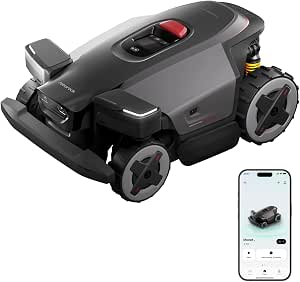
Roborock RockMow X130H Wire-Free 4WD Robot Lawn Mower
As an affiliate, we earn on qualifying purchases.