
Bone conduction headphones are generally safer for cycling because they let you enjoy audio while keeps your ears open to ambient sounds like traffic, horns, or voices. This open-ear design helps you stay aware of your surroundings, reducing the risk of accidents. However, they may not block out all noise, and sound quality can vary. If you’re curious about how they compare to traditional earbuds and want tips for safe use, keep exploring.
Key Takeaways
- Bone conduction headphones keep ears open, enhancing awareness of traffic, horns, and conversations, which can improve cycling safety.
- They transmit sound via skull bones, providing less noise isolation and potentially less distraction compared to traditional headphones.
- Experts acknowledge they support environmental awareness but advise cautious use to avoid overestimating perception of distant or fast sounds.
- Proper fit, sound balance, and situational awareness are crucial; they are safer when combined with vigilant riding habits.
- Overall, they are considered a safer alternative to traditional headphones but not foolproof; safe cycling also depends on attentive behavior.

SHOKZ OpenRun Bone Conduction Open-Ear Bluetooth Sport Headphones, Running Workout Bundle with Waterproof Carrying Case & Sweat Headband, IP67 Sweat Resistant, 8H Playtime, Mic, Black
Open-Ear Comfort – OpenRun’s innovative design features a featherweight, wraparound frame and wireless, open-ear fit for comfortable, earbud-free…
As an affiliate, we earn on qualifying purchases.
As an affiliate, we earn on qualifying purchases.
How Do Bone Conduction Headphones Work?

Bone conduction headphones work by transmitting sound vibrations directly through your cheekbones and skull bones to your inner ear, bypassing the eardrum entirely. This unique method allows you to hear audio without blocking your ear canal, keeping you aware of your surroundings. While this design offers safety benefits, it also affects music quality. Some users find that bone conduction headphones provide clear sound, but the bass and overall richness can be less than traditional headphones. Battery life varies depending on the model, but many offer several hours of playback on a single charge. If you prioritize staying alert and prefer a lightweight, open-ear design, bone conduction headphones are a practical choice. Just remember, their sound quality differences are an important consideration when choosing this type of headphone. It’s also worth noting that technological limitations can influence how well they perform across different audio genres. Additionally, ongoing advancements aim to improve audio fidelity and reduce sound leakage, making them increasingly competitive with traditional options. For users concerned about hearing safety, bone conduction headphones can be a valuable alternative, especially during activities like cycling or running. Recognizing the Net+ Certification Benefits can further enhance your understanding of the importance of reliable, innovative technology in audio devices.

SHOKZ New OpenRun Pro 2- Bone Conduction Headphones, Open-Ear Bluetooth Wireless Sport Earphones for Running, Workouts – Sweat Resistant, Secure Comfortable Fit -Deep Bass, Smart Mic, Reflective Strip
Unparalleled Audio and Premium sound – Dual drivers combine the clear highs of Bone Conduction Tech with the…
As an affiliate, we earn on qualifying purchases.
As an affiliate, we earn on qualifying purchases.
Why Are Cyclists Choosing Bone Conduction Headphones?

Cyclists are increasingly turning to bone conduction headphones because they allow you to stay connected to your surroundings while enjoying your music or podcast. This technology offers better awareness of traffic and other hazards, making your ride safer. Many cyclists find that bone conduction headphones enhance music immersion without blocking out ambient sounds, which is crucial for home safety awareness while on the road. Plus, they’re stylish and serve as a fashion statement, helping you stand out while riding. These headphones are lightweight and discreet, so they don’t interfere with helmet use or add bulk to your gear. As more riders prioritize safety without sacrificing entertainment, bone conduction headphones become an attractive option. They blend practicality with modern design, giving you the freedom to stay alert and entertained on every ride. Understanding different headphone technologies ensures you choose the right pair for your needs, maximizing both safety and style. Additionally, their sound conduction method allows for a clearer experience of your audio while maintaining environmental awareness. Being aware of regulatory considerations can also help you select compliant and safe devices for use during cycling.
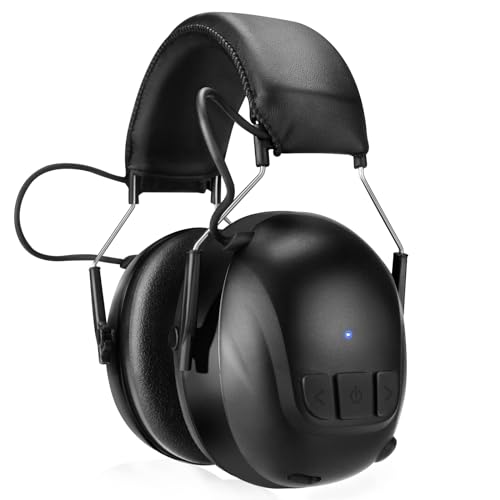
Kalence Bluetooth 6.0 Hearing Protection with 120H Working Time, 30dB Safety Earmuffs, Rechargeable Ear Protection Headphones with Mic for Mowing, Workshops, Construction, Snowblowing, Black
Bluetooth 6.0 Technology:Our Bluetooth Hearing Protection muffs is engineered with the latest Bluetooth 6.0 Technology that provides a…
As an affiliate, we earn on qualifying purchases.
As an affiliate, we earn on qualifying purchases.
Are Bone Conduction Headphones Safer Than Traditional Earbuds?

Compared to traditional earbuds, bone conduction headphones generally offer a safer listening experience, especially in active environments. They leave your ears open, so you can stay aware of your surroundings, reducing the risk of accidents. While traditional earbuds can block out ambient noise and improve music immersion, they also pose safety concerns by limiting awareness of nearby sounds like traffic or conversations. Bone conduction headphones provide a different experience, often with less aesthetic appeal but a more practical safety advantage. They sit outside your ears, allowing you to enjoy your favorite music while remaining alert. This balance makes them particularly appealing for outdoor activities, where safety and awareness are critical. Additionally, environmental awareness is enhanced since you can hear important sounds around you, making them a preferred choice for many outdoor enthusiasts. Moreover, hearing safety is supported by the fact that bone conduction headphones do not cause damage to the eardrum, unlike some traditional listening devices. This technology can also help reduce the risk of ear damage associated with prolonged use of in-ear devices. Furthermore, extended use comfort is often improved with bone conduction options, as they tend to be less invasive and more comfortable over long periods.
SHOKZ New OpenRun Pro 2- Bone Conduction Headphones, Open-Ear Bluetooth Wireless Sport Earphones for Running, Workouts – Sweat Resistant, Secure Comfortable Fit -Deep Bass, Smart Mic, Reflective Strip
Unparalleled Audio and Premium sound – Dual drivers combine the clear highs of Bone Conduction Tech with the…
As an affiliate, we earn on qualifying purchases.
As an affiliate, we earn on qualifying purchases.
What Are the Safety Benefits of Using Bone Conduction Headphones While Cycling?

Using bone conduction headphones while cycling enhances your safety by allowing you to stay alert to your surroundings. They let you enjoy music without blocking ambient sounds like traffic or voices, improving your awareness. This technology aligns with European cloud innovation by promoting safer and more sustainable solutions. This means you can experience music enjoyment comfortably while remaining vigilant, reducing the risk of accidents. Additionally, many find them more comfortable since they don’t insert into the ears, avoiding irritation. Here’s a quick comparison:
| Benefit | Explanation | Impact |
|---|---|---|
| Better situational awareness | Keep ears open to sounds around you | Safer cycling experience |
| Enhanced comfort levels | No ear canal blockage, less fatigue | Longer, more enjoyable rides |
| Reduced listening fatigue | Less ear pressure from earbuds | Increased safety and comfort |
Being aware of everyday safety tips can further enhance your overall safety while cycling. Incorporating advanced safety features like bone conduction technology can also contribute to a more secure riding experience. For example, integrating personal safety apps with your headphones can provide additional security during rides. Additionally, understanding the benefits of different headphone types can help you choose the most suitable gear for your cycling needs.
Do Bone Conduction Headphones Help You Stay Aware of Traffic?

Bone conduction headphones let you hear your surroundings better than traditional earbuds, helping you stay aware of traffic. However, they can still limit your perception of distant sounds or fast-moving vehicles. It’s important to understand how ambient sound awareness and their limitations impact your safety. Additionally, style options vary depending on the device, which can influence how effectively you stay alert while cycling. Being aware of environmental considerations can help you choose the best equipment for safe outdoor activities. Since some models incorporate electric bike features, they may offer enhanced comfort and durability for outdoor use, further contributing to safety. Recognizing the reliability of sound transmission in different models can also help you select headphones that best suit your safety needs. Understanding the technological capabilities of these devices can improve your overall outdoor experience and safety.
Ambient Sound Awareness
Have you ever wondered if bone conduction headphones help you stay aware of your surroundings while listening to music or podcasts? The answer depends on how much ambient sound you want to perceive. Because they don’t block your ears, they allow some environmental sounds to reach you, enhancing your awareness of traffic and nearby voices. However, this can sometimes compromise your music immersion and audio quality, making the experience less immersive but safer.
| Benefit | Limitation |
|---|---|
| Keep aware of surroundings | Reduced music immersion |
| Still hear ambient sounds | Slightly lower audio quality |
| Safer for outdoor activities | Not as isolating as traditional headphones |
| Better for traffic awareness | May require volume adjustments |
Limitations of Perception
While bone conduction headphones can help you hear some environmental sounds, they have perception limitations when it comes to detecting fast-moving traffic. The technology bypasses the outer and middle ear, but this sensory impairment can reduce your ability to perceive subtle or distant sounds accurately. You might miss quick changes in traffic flow or distant sirens, which are essential for safety. Because of these perception limitations, your awareness of surrounding traffic isn’t as complete as with open-ear listening. Relying solely on bone conduction headphones can give a false sense of security, as they may not provide enough environmental cues. To stay safer, combine their use with visual awareness and cautious riding habits, recognizing that these headphones don’t fully compensate for sensory impairments in dynamic traffic situations. Additionally, understanding the limitations of perception can help you make more informed safety choices while cycling.
What Risks or Limitations Come With Bone Conduction Headphones While Cycling?

Although bone conduction headphones allow you to stay alert to your surroundings, they’re not without their risks when cycling. One primary concern is the audio quality, which often isn’t as rich or clear as traditional headphones, potentially making it harder to distinguish important sounds. Additionally, some users find the comfort level varies; prolonged use can cause discomfort or pressure around the temples. Because these headphones sit outside the ears, they may also slip during vigorous activity or in hot weather, leading to distractions. While they keep your ears open, this design can sometimes compromise sound isolation, making it harder to focus in noisy environments. Be aware of these limitations to ensure your safety and comfort while enjoying the benefits of bone conduction technology. Customer reviews highlight effectiveness and support.
How Do Bone Conduction Headphones Sound and Feel?
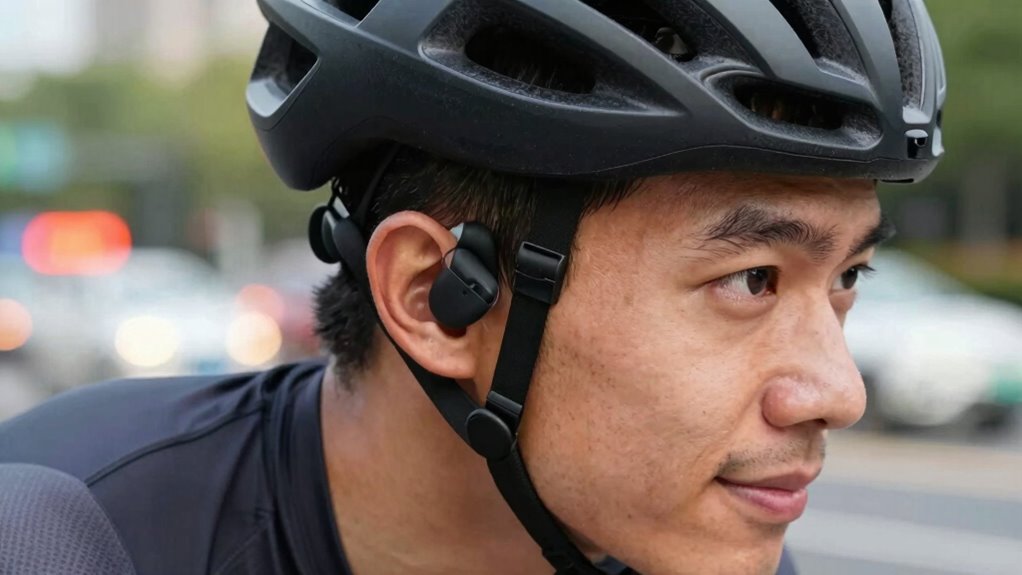
Bone conduction headphones transmit sound through vibrations that pass directly to your inner ear via your skull bones, bypassing the eardrum entirely. You might find that the sound quality is different from traditional headphones—more open, but sometimes less detailed. The comfort level is a major plus; since they sit outside your ears, you avoid ear fatigue or pressure. However, your experience can vary depending on fit and activity. Here’s a quick comparison:
| Aspect | Pros | Cons |
|---|---|---|
| Sound Quality | Clear, ambient awareness | Less bass, sometimes tinny |
| Comfort Level | Easy to wear, non-intrusive | Fit may vary for different heads |
| Sound Isolation | Less isolated, safer for outdoors | Less noise blocking |
What Features Should Cyclists Look for When Buying Bone Conduction Headphones?

When choosing bone conduction headphones for cycling, you should prioritize features that enhance safety, comfort, and durability. Good music quality is essential for an enjoyable ride without sacrificing awareness of your surroundings. Look for headphones with clear, balanced sound that doesn’t block outside noise completely. Battery life is equally important; opt for models with long-lasting batteries to avoid interruptions during extended rides. Comfort matters too—select lightweight, adjustable designs that fit securely without causing discomfort. Waterproof or sweat-resistant features help withstand the elements and keep your headphones functioning well over time. Additionally, consider Bluetooth connectivity for a stable connection and quick pairing. Prioritizing these features ensures your cycling experience remains safe, comfortable, and enjoyable.
Are Cycling Safety Experts Supporting Bone Conduction Headphones?

Cycling safety experts are weighing in on whether bone conduction headphones help or hinder your awareness of road hazards. They emphasize the importance of hearing environmental sounds like car horns and sirens while riding. Some recommend these headphones for their safety benefits, while others express concerns about potential distractions.
Awareness of Road Hazards
Although bone conduction headphones allow you to stay aware of your surroundings, many cycling safety experts remain cautious. They recognize that while these devices can enhance music enjoyment without blocking ear canals, there’s still concern about how well you perceive sudden hazards. Some experts worry that even with open-ear design, ambient sounds may be subtly muffled or distorted, reducing your reaction time. Device comfort is another factor; if headphones shift or cause discomfort, you might adjust them, diverting your attention from the road. Despite the potential for increased awareness, safety advocates emphasize caution and recommend testing your environment carefully. Ultimately, while bone conduction headphones offer a unique listening experience, maintaining full alertness to road hazards remains essential for safe cycling.
Hearing Environmental Sounds
Are cycling safety experts genuinely backing bone conduction headphones for hearing environmental sounds? Many believe these devices allow you to stay aware of your surroundings while enjoying music. Since bone conduction headphones sit outside the ear, they let you hear ambient sounds like car horns, sirens, and other cyclists, enhancing safety. This improved environmental awareness can be a key factor in supporting their use during rides. Additionally, device compatibility is often seamless, allowing you to connect easily with smartphones and GPS devices without blocking out important sounds. This balance between music enjoyment and safety makes bone conduction headphones appealing to cyclists who want to stay alert. However, opinions vary, and some experts still advise caution, emphasizing that no headphone guarantees complete awareness.
Expert Recommendations and Concerns
Many cycling safety experts recognize the potential benefits of bone conduction headphones for maintaining awareness on the road. They see these devices as a way to improve your musical experience without blocking environmental sounds, which can enhance safety. Experts appreciate the aesthetic appeal of bone conduction headphones, as they’re often sleek and less intrusive than traditional earbuds or over-ear models. However, they also express concerns about over-reliance, as some users might assume they’re fully aware of their surroundings when they’re not. While many experts are open to recommending bone conduction technology, they advise cyclists to remain vigilant, use headphones responsibly, and combine them with other safety measures. Overall, experts support a balanced approach, emphasizing safety while acknowledging the device’s potential to improve your riding experience.
Frequently Asked Questions
Do Bone Conduction Headphones Stay Secure During Intense Cycling?
Bone conduction headphones generally stay secure during intense cycling, but security concerns can arise depending on the fit challenges. If they fit snugly around your head, they won’t slip or fall off, even during vigorous movements. However, if they’re loose or poorly fitted, they might shift or fall. To guarantee they stay secure, choose adjustable models and double-check the fit before hitting the road.
Are Bone Conduction Headphones Suitable for All Head Sizes?
Think of your head as a unique landscape, and bone conduction headphones as a custom bridge. They’re generally suitable for all head sizes, but comfort depends on head size compatibility and fit adjustment options. If you have a smaller or larger head, look for models with adjustable bands or flexible materials. This guarantees your headphones stay secure and comfortable, letting you focus on your ride without distraction or discomfort.
How Long Do Battery Charges Last on Average?
You’ll find that battery life on bone conduction headphones typically lasts between 6 to 8 hours of continuous use, depending on the model. Charging time usually takes around 1 to 2 hours to fully recharge. To get the most out of your headphones, keep an eye on the battery indicator and charge promptly when it drops below 20%. This guarantees you enjoy uninterrupted listening during your cycling sessions.
Can Bone Conduction Headphones Be Used With Helmets?
Yes, you can use bone conduction headphones with helmets, but helmet compatibility varies. Many models are designed to fit comfortably under or around helmets, allowing you to listen without removing your gear. Keep in mind, bone conduction headphones offer less noise isolation than traditional earbuds, so you might hear more ambient sounds, enhancing safety. Always verify your headphones don’t interfere with helmet fit or safety features.
Are There Specific Brands Recommended for Cyclists?
Like a trusty steed in the digital age, brands like Aftershokz and Vidonn stand out for cyclists. They offer wireless connectivity and good sound quality, making them reliable choices. You’ll want headphones that stay secure and provide clear audio without blocking environmental sounds. These brands are known for durability and comfort, perfect for your ride. So, whether you’re cruising or racing, these options keep you connected and safe.
Conclusion
Like Icarus soaring with wings of wax, you might feel invincible with bone conduction headphones, but remember, safety isn’t just about hearing. While they keep you aware of your surroundings like a vigilant guardian, don’t let the allure of innovation cloud your judgment. Stay alert, choose wisely, and strike a balance—so your cycling journey remains both thrilling and safe, soaring like a bird, yet grounded in awareness.