When cycling with your family, tailor safety and gear to each age and stage. Start young children with balance bikes and supervise longer rides as they learn road rules and skills. Use helmets and reflective gear for everyone, and keep bikes well-maintained. Gradually introduce new terrains and challenges as confidence grows. By adjusting your approach to each family member, you’ll create fun, safe rides for all, and there’s plenty more to discover to make your outings even better.
Key Takeaways
- Introduce balance bikes for toddlers to develop coordination before progressing to pedals.
- Use training wheels for early pedal bike confidence, gradually removing them as skills improve.
- Adapt riding routes and difficulty based on age, increasing challenge gradually for safety and growth.
- Emphasize helmet use, visibility, and traffic rules tailored to each developmental stage.
- Supervise and teach responsible cycling habits appropriate for each age group to promote safety.
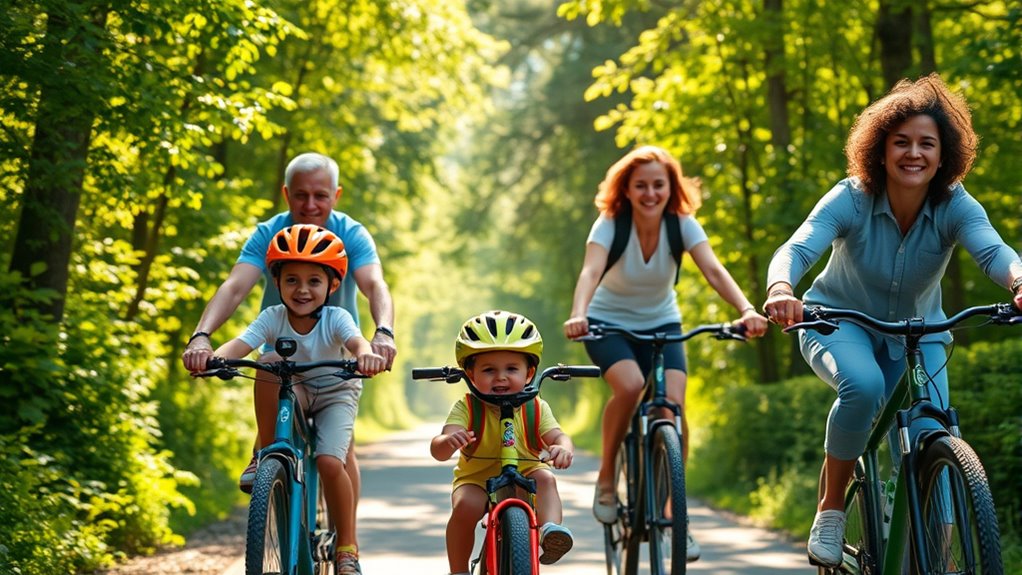
Family cycling offers a fun and healthy way to spend quality time together while exploring your neighborhood or local trails. But before hitting the road, it’s crucial to prioritize cycling safety. Teaching your family members about proper helmet use, obeying traffic rules, and staying visible is key to making every ride enjoyable and accident-free. Make sure everyone wears a well-fitting helmet and understands the importance of alerting others when they’re passing or turning. Equipping your bikes with lights and reflective gear enhances visibility, especially in low-light conditions. Regularly checking your bikes for safety issues is just as important as wearing safety gear itself. Proper bike maintenance keeps everyone safe and ensures smooth rides. Clean your bikes regularly, check tire pressure, and inspect brakes and gears to prevent mechanical failures that could cause accidents. Keeping your bikes in good condition means fewer surprises on the trail and more confidence to ride comfortably. Incorporating sound vibrations through musical cues or calming background tunes can also help maintain focus and reduce stress during longer rides.
As your kids grow, their cycling needs will evolve, and so will their skills. For young children just starting out, balance bikes are a great choice—they help develop coordination without the complication of pedals. When your child is ready for a pedal bike, consider one with training wheels to build confidence. Even after they’re comfortable riding alone, it’s wise to keep an eye on their cycling safety, especially on busy streets or trails. As they gain experience and independence, you can introduce them to more challenging terrains or longer rides, always emphasizing safe riding practices. For teenagers, the focus shifts toward responsible cycling and understanding traffic laws. Encourage them to be vigilant and courteous on the road, especially when sharing space with vehicles.
Older family members or those new to cycling should start with shorter, flat routes until they feel confident. As stamina and skills improve, gradually increase the difficulty of your rides. Remember, maintaining your bikes is crucial at every stage. Proper bike maintenance is not just about safety; it also extends the lifespan of your bikes and makes riding more enjoyable. Incorporate routine checks into your cycling routine, like inspecting tires for wear, lubricating chains, and tightening bolts. Keeping everyone engaged in maintenance fosters a sense of ownership and responsibility, turning bike care into a family activity. With the right focus on safety and maintenance, your family can enjoy countless memorable rides together, regardless of age or skill level.

INNO RT201 Truck Bed Bike Rack - Bike Mount for Standard Pickup Truck
HASSLE-FREE - Hardware is included and there is no drilling required.
As an affiliate, we earn on qualifying purchases.
Frequently Asked Questions
What Safety Gear Is Recommended for Young Children?
You should always make certain your young children wear helmet safety to protect their heads during bike rides. Knee pads are also highly recommended to prevent scrapes and bruises if they fall. Make sure the helmet fits snugly and covers the forehead, and choose comfortable knee pads that stay in place. These safety gear items help keep your kids safe and encourage confident cycling from an early age.
How Do I Teach My Toddler to Pedal?
Teaching your toddler to pedal is like planting the seeds for future cycling adventures. Start with a balance bike to help them master balance and coordination. Once they’re comfortable, introduce pedal training by guiding their feet on the pedals. Encourage patience and practice, and celebrate small victories. With time and encouragement, your little one will be pedaling confidently, turning their newfound skills into a fun, lifelong activity.
When Should I Transition My Child From Training Wheels?
You should shift your child from training wheels once they’re confidently balancing and pedaling smoothly, usually around age 5 or when they can ride steadily for several minutes. Before switching, check your bike’s maintenance to guarantee proper fit and safety. Teach cycling etiquette like signaling and sharing space. When ready, remove the training wheels gradually, encouraging your child and practicing safety to help them become confident, independent riders.
What Are the Best Family-Friendly Cycling Routes?
Imagine yourself gliding along a ribbon of adventure—these are your best family-friendly cycling routes. Seek scenic bike routes with gentle terrain and beautiful views, perfect for kids. Urban cycling paths also make great options, offering safe, designated lanes through city parks and waterfronts. Look for trails with minimal traffic, rest stops, and kid-friendly amenities. These routes turn every ride into a memorable family outing, making cycling fun for everyone.
How Can I Encourage Older Kids to Enjoy Cycling?
To encourage your older kids to enjoy cycling, involve them in group riding to boost social fun and motivation. Let them choose their own bikes and teach basic bike maintenance, giving them a sense of independence and confidence. Share exciting routes and set achievable challenges to keep things engaging. Your enthusiasm and involvement will inspire them to see cycling as a rewarding, enjoyable activity they look forward to.

JOYTUTUS Truck Bed Bike Rack for Full Size Pickup, Truck Bed Bicycle Rack, Heavy Truck Bed Bike Mount Carrier, Anti-Wobble BedRack SportsRack, No Remove Tire
ANTI-WOBBLE & ANTI-ROLLOVER SYSTEM - Our truck bed bike rack uses a tire lock clamp and tire fixed...
As an affiliate, we earn on qualifying purchases.
Conclusion
So, you thought family cycling was just about riding bikes, right? Turns out, it’s also about patience, timing, and knowing when everyone’s ready for the next stage. Who knew that steering tiny, wobbly riders and grown-up gear changes could teach you so much about life’s twists? Ironically, the more you plan, the more you realize that the real journey isn’t just about the ride—it’s about growing together, one pedal stroke at a time.
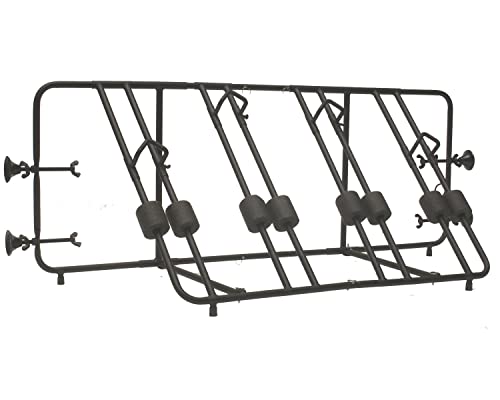
Advantage Heininger Truck Bed Bike Rack – Hauls 4 Bikes Without Wheel Removal, Tool-Free Assembly, Lockable Cable, Adjustable 53.5"-69.5" with Spacer, Soft Padding Protects Paint, Quick Install
Haul Up To Four Bikes In Your Truck Bed Without Removing Any Wheels
As an affiliate, we earn on qualifying purchases.
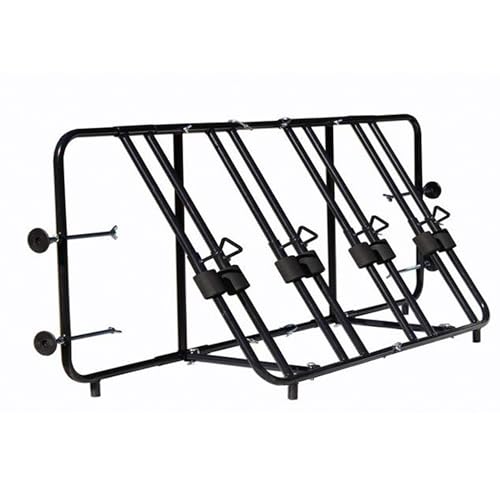
Titan Ramps Truck Bed Adjustable Steel Bike Rack for Up to 4 Bikes - Fits Most Makes/Models
DURABLE STEEL CONSTRUCTION: Strong steel design for superior strength and durability; this bike rack only weighs 31 lbs....
As an affiliate, we earn on qualifying purchases.