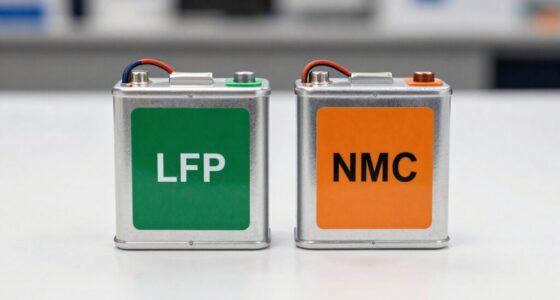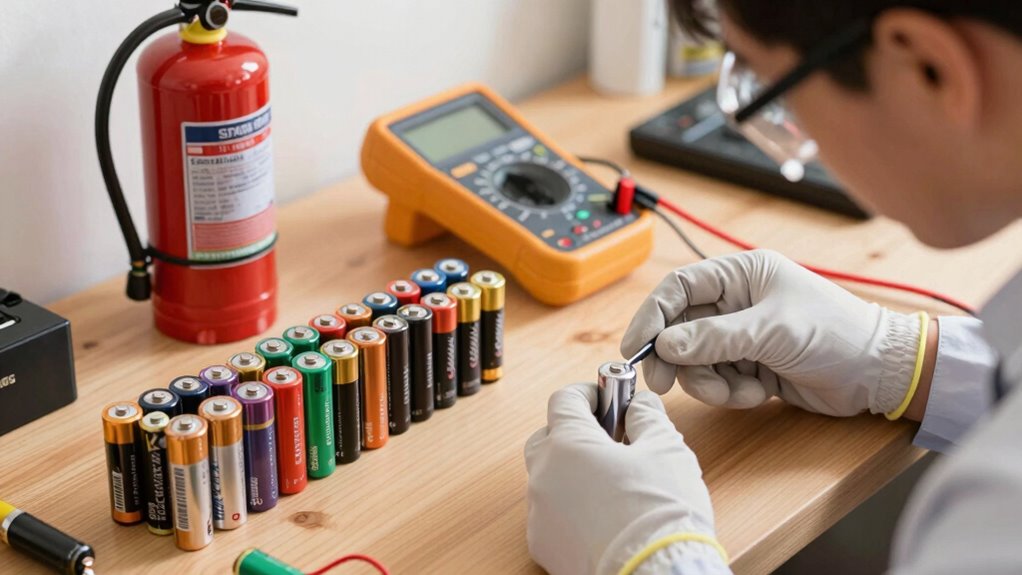

To stay safe, always inspect batteries for damage, swelling, or corrosion regularly. Store them in a cool, dry place away from metal objects and never leave charging batteries unattended. Keep a fire extinguisher nearby and know how to use it for electrical fires. Safely handle and dispose of damaged or end-of-life batteries at designated recycling centers. Following these routines helps prevent fires and accidents—continue exploring to guarantee you’re fully prepared for battery safety.

Get sports gear delivered free with Prime
- Fast, free delivery on millions of items
- Prime Video, Amazon Music and more included
- Member-only deals all year
Key Takeaways
- Regularly inspect batteries for damage, swelling, or corrosion, and safely store damaged ones in non-flammable containers.
- Keep a fire extinguisher rated for electrical fires nearby and know how to use it properly.
- Store batteries in a cool, dry place away from metal objects and prevent short circuits by separating multiple batteries.
- Properly recycle end-of-life batteries through designated centers to prevent hazards and environmental harm.
- Develop and follow a fire safety plan, including precautions during charging, handling, and disposal routines.
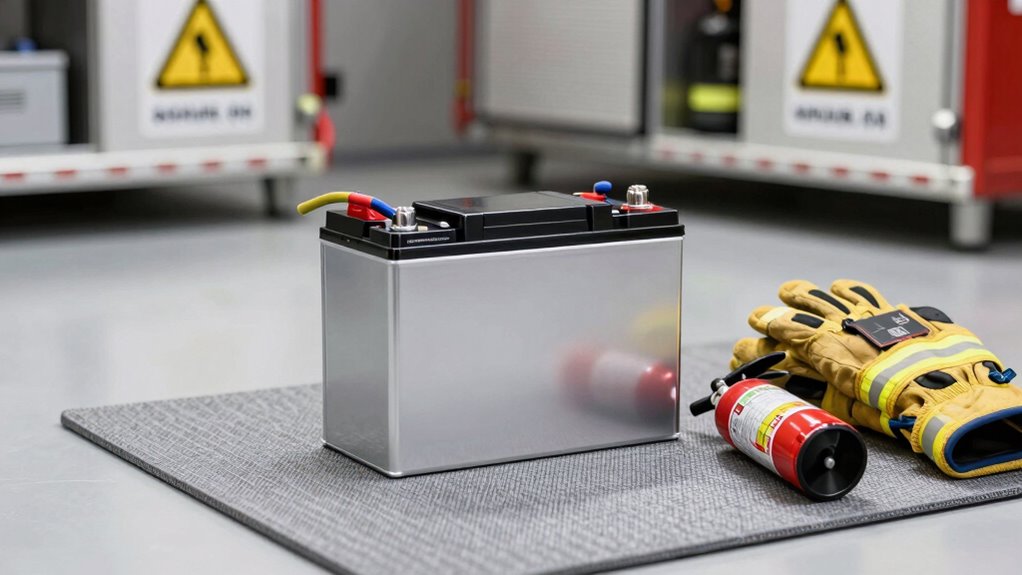
Have you ever considered what steps you should take to guarantee your batteries don’t pose a fire risk? The truth is, proper handling and maintenance are essential to preventing potential hazards. One key aspect is understanding the importance of battery recycling. When batteries reach the end of their life, tossing them in the trash isn’t just bad for the environment—it can also be dangerous. Recycling helps prevent the build-up of hazardous materials, reducing the chance of fires caused by faulty or damaged batteries. Make it a habit to locate local recycling centers or programs that accept your used batteries and ensure they’re disposed of responsibly. Not only does this protect the environment, but it minimizes the risk of batteries corroding or leaking, which could ignite if mishandled or exposed to heat.
Proper battery recycling prevents hazards and fires, protecting both your home and the environment.
In addition to responsible disposal, developing a solid emergency preparedness plan is crucial. You should always keep a fire extinguisher suitable for electrical fires nearby and know how to use it properly. Regularly inspecting your batteries for signs of damage, swelling, or corrosion is another vital step. If you notice any abnormalities, stop using the battery immediately and store it safely in a non-flammable container until you can dispose of it properly. Keeping your batteries in a cool, dry place also helps prevent overheating, which is a common cause of battery fires. Never leave charging batteries unattended for long periods, especially in areas where a fire could cause significant damage or harm. Proper storage practices are essential in minimizing risks associated with battery fires.
Part of your routine should include educating yourself about the specific battery types you own. Different batteries, from lithium-ion to nickel-metal hydride, have unique safety considerations. Knowing how each behaves under stress or damage can guide your response if something goes wrong. Regularly checking the battery chemistry and understanding its characteristics can help you recognize potential hazards early. If you’re storing multiple batteries, ensure they’re separated to prevent short circuits. Avoid stacking batteries or storing them in metal containers that could cause sparks. Incorporating these safety measures into your daily routine can greatly lower the risk of a fire.
Ultimately, being proactive with battery recycling and emergency preparedness forms the foundation of a thorough fire safety routine. Staying vigilant about how you handle, store, and dispose of your batteries not only protects your home and loved ones but also contributes to a safer environment. Understanding battery safety practices and applying them consistently helps mitigate risks associated with battery fires. By understanding these key practices, you take control of your safety and help prevent preventable fires caused by batteries. Remember, safety starts with awareness and consistent action.
fire extinguisher for electrical fires
As an affiliate, we earn on qualifying purchases.
As an affiliate, we earn on qualifying purchases.
Frequently Asked Questions
How Often Should I Inspect My Batteries for Safety?
You should inspect your batteries at least once a month for safety. Regular battery maintenance involves checking for signs of damage, corrosion, or leaks. Inspection frequency depends on usage and storage conditions—more frequent checks are necessary if your batteries are in harsh environments. By staying vigilant and performing routine inspections, you reduce fire risks and guarantee your batteries operate safely and efficiently.
Can I Store Batteries in a Metal Container Safely?
Storing batteries in a metal container might seem safe, but it’s a risky move. Metal can conduct heat and sparks, which could ignite batteries if they leak or short circuit. For maximum storage safety, always use non-conductive, insulated containers. If you must use a metal container, make sure it’s specially designed for battery storage and ventilated. Otherwise, you risk dangerous fires or explosions lurking just around the corner.
What Is the Best Way to Dispose of a Damaged Battery?
You should never throw a damaged battery in the trash. Instead, handle it carefully and take it to a designated battery recycling center. Damaged batteries are considered hazardous waste because they can leak or catch fire. Proper disposal through battery recycling guarantees hazardous waste is safely managed, preventing environmental harm and safety risks. Always follow local regulations for hazardous waste disposal and never attempt to repair or reuse a damaged battery.
Are There Specific Fire Extinguishers for Battery Fires?
Yes, there are specialized extinguishers for battery fires. You should use lithium-specific options or those containing Class D extinguishing agents, which are designed for combustible metals like lithium. Regular fire extinguishers, such as water or foam, can worsen battery fires. Always guarantee you have the correct type nearby, and remember, in case of a lithium battery fire, evacuate immediately and call emergency services for help.
How Do I Recognize Early Signs of Battery Overheating?
Think of your battery as a sleeping dragon; early signs of trouble are like faint smoke or a flickering flame. You’ll notice battery thermal issues or an overheat warning, which signal the dragon’s waking. Pay attention to swelling, unusual warmth, or strange smells. Recognizing these early signs helps prevent disaster, letting you act quickly before the fire ignites. Stay vigilant, and your battery will stay safe.
Conclusion
Think of your battery as a tiny lighthouse guiding your daily life. When you follow fire safety routines, you’re shining a steady beam, guiding away danger and keeping your home safe. Just as a lighthouse warns ships of rocky shores, your precautions alert you to potential hazards. Keep the routine alive, stay vigilant, and let your battery’s glow be a symbol of safety—bright, dependable, and always there to light your way forward.
Fall Picks
fall essentials
As an affiliate, we earn on qualifying purchases.