
To prepare for a Gran Fondo, focus on optimizing your hydration by drinking regularly, replacing salts lost through sweat, and adjusting fluids for weather conditions. Guarantee your bike fits well, choose suitable tires, and pack essential repair tools. Practice your nutrition and gear handling during training rides to build endurance and confidence. On race day, fine-tune your clothing and pacing for comfort and efficiency. Keep exploring for more tips to help you ride your best.
Key Takeaways
- Develop a detailed hydration and nutrition plan, practicing it during training to ensure sustained energy and electrolyte balance.
- Optimize bike fit and select appropriate gear, including tires and clothing, tailored to terrain and weather conditions.
- Gradually increase training mileage and intensity, simulating race conditions to build endurance and confidence.
- Prepare essential repair tools and practice handling common mechanical issues to avoid race-day delays.
- Confirm all equipment and nutrition strategies are tested and reliable, and adjust clothing based on weather forecasts for comfort.
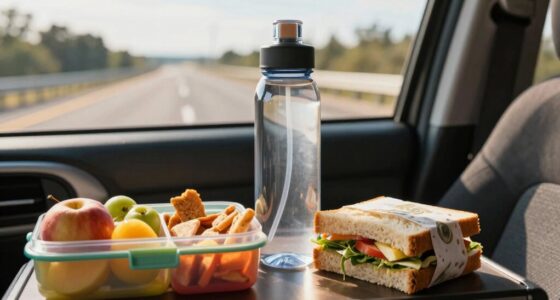
Preparing for a gran fondo requires more than just cycling hard; it demands a structured approach to training, nutrition, and gear. To perform at your best, you need to develop effective hydration strategies that keep you energized without weighing you down. Proper hydration isn’t just about drinking water; it involves balancing electrolytes, consuming fluids at regular intervals, and adjusting intake based on weather conditions and your effort level. During long rides, sip consistently—about every 15-20 minutes—and consider using electrolyte drinks to replenish salts lost through sweat. Pay attention to your body’s signals, and don’t wait until you’re thirsty to hydrate, as dehydration can impair performance and recovery. Having a hydration plan tailored to your ride duration and intensity ensures you stay focused and maintain stamina throughout the event.
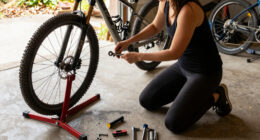
Gear selection is equally critical. Your bike setup should be optimized for comfort, efficiency, and safety. Choose the right frame size and fit, ensuring you’re comfortable during extended periods in the saddle. Invest in quality components, especially tires suited for the terrain—whether it’s smooth pavement or more challenging surfaces—since they influence rolling resistance and puncture resistance. Clipless pedals can improve power transfer, but make sure you’re comfortable with them before race day. Don’t overlook accessories like a lightweight helmet, sunglasses, and padded gloves that protect you and enhance your ride. Clothing should be breathable, moisture-wicking, and appropriate for the weather forecast; layering allows flexibility if conditions change. Carry essential tools, spare tubes, and a mini pump or CO2 inflator to handle minor repairs on the go. Your gear selection isn’t just about comfort; it’s about ensuring reliability and safety, so you can focus on your performance without distraction.
Beyond hydration strategies and gear selection, preparation also involves practicing your nutrition plan, simulating race conditions in training, and pacing yourself properly. As you approach the event, gradually increase your mileage and intensity to build endurance. Test your hydration and nutrition strategies during these workouts to ensure they work well under race conditions. Familiarity with your gear and nutrition plan reduces stress and surprises on race day, allowing you to focus on riding efficiently. Remember, consistency in your preparation pays off. When you’re well-hydrated, properly equipped, and confident in your nutrition, you’ll find yourself more resilient and ready to tackle the challenges of the gran fondo.
As an affiliate, we earn on qualifying purchases.
Frequently Asked Questions
How Should I Adjust My Bike for Long-Distance Comfort?
To guarantee long-distance comfort, start with a proper bike fit and focus on saddle selection. Adjust your saddle height so your leg is slightly bent at the bottom of each pedal stroke. Choose a saddle that fits your anatomy and offers enough padding without causing chafing. Fine-tune your handlebar position for comfort, and consider using padded gloves or shorts. Regularly check your fit during rides to prevent discomfort and fatigue.
What Should I Include in My Race Day Nutrition Plan?
Oh, sure, just forget about energy gels and hydration strategies—who needs a plan when you can wing it? But seriously, you should include energy gels for quick carbs and hydration strategies like sipping fluids regularly to prevent dehydration. Balance is key; don’t overdo it or you’ll risk stomach issues. Keep a water bottle handy, and practice your plan beforehand so you’re ready to sustain your energy and stay hydrated throughout the race.
How Can I Prevent Chafing During a Gran Fondo?
To prevent chafing during a gran fondo, focus on chafing prevention through proper clothing choices. Wear moisture-wicking, seamless clothing that fits well to reduce friction. Apply anti-chafing creams or powders to areas prone to chafing, like thighs and underarms. Keep your skin dry and change out of sweaty gear promptly. Staying hydrated also helps, as dry skin is less prone to chafing. These steps will keep you comfortable throughout your ride.
What’s the Best Way to Recover After the Event?
After the event, you should focus on proper recovery by doing post-race stretching to loosen tight muscles and promote flexibility. Hydration strategies are essential—drink plenty of water and electrolyte-rich fluids to replenish lost minerals. You might also consider light activity like walking or gentle cycling to improve circulation. Rest is important, so give your body time to recover and avoid overexertion in the days following the event.
How Do I Handle Unexpected Weather Changes?
When unexpected weather changes occur, stay safe by quickly donning rain gear to stay dry and prevent hypothermia. If conditions worsen, seek out an emergency shelter or a sheltered spot to wait out the storm. Keep a lightweight rain jacket and compact emergency shelter in your kit. Stay alert, adapt your pace, and prioritize safety to handle sudden weather shifts effectively during your ride.
Conclusion
As you gear up for your Gran Fondo, remember that thorough preparation isn’t just about physical fitness; it’s about building confidence. Imagine yourself crossing that finish line, feeling strong and ready. Think of your training as laying a sturdy foundation, like a well-built bridge ready to carry you across any challenge. When you trust your preparation, you’ll see that success isn’t just a goal—it’s the inevitable reward for the effort you’ve invested.