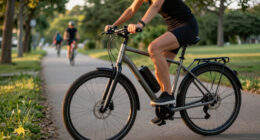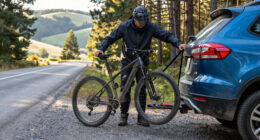
After your ride, spend a minute inspecting your bike’s tires for any cuts or low pressure, then wipe down the frame to remove sweat and dirt. Check that brakes and gears work smoothly, and do quick visual checks to spot potential issues. Hydrate with water or electrolytes and eat a quick, portable snack to support recovery. Incorporate a few stretches to loosen muscles and boost circulation. Keep this routine in mind, and you’ll discover tips to improve your post-ride care even further.

Get sports gear delivered free with Prime
- Fast, free delivery on millions of items
- Prime Video, Amazon Music and more included
- Member-only deals all year
Key Takeaways
- Prioritize quick bike inspections, including tire check, brake, and gear functionality, to prevent future issues.
- Perform light stretching on legs, hips, and lower back to enhance flexibility and aid recovery.
- Hydrate with water or electrolyte drinks and consume a protein-carb snack for optimal recovery.
- Wipe down the bike frame to remove sweat, dirt, and prevent corrosion.
- Reflect on the ride to identify improvements and reinforce positive habits for next sessions.

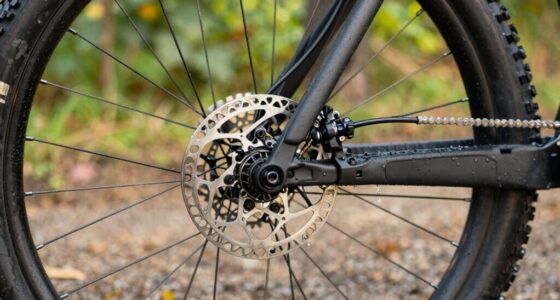
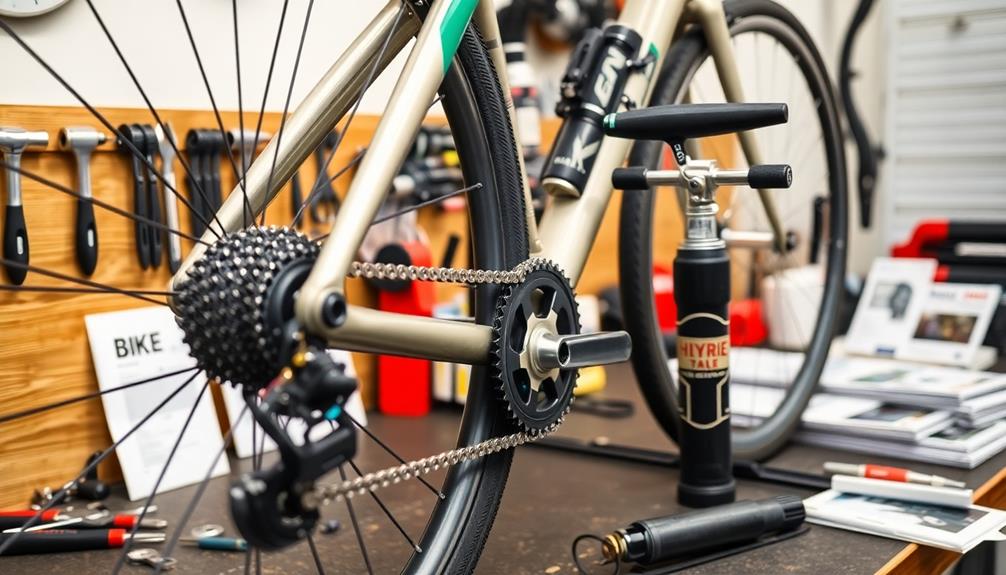
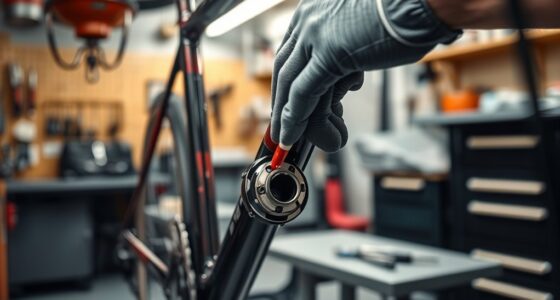
After a long ride, taking just five minutes to care for your body can make a big difference in recovery and comfort. The same applies to your bike—quickly checking and maintaining it ensures it stays in top shape for your next adventure. Start by doing some simple bike maintenance: inspect your tires for cuts or low pressure, wipe down the frame to remove sweat and dirt, and make sure your brakes and gears are functioning smoothly. These small steps prevent issues from worsening and prolong your bike’s lifespan. Keeping your bike in good condition also means fewer surprises when you’re eager to hit the road again.
While you focus on bike maintenance, don’t forget about your nutrition. Proper fueling after a ride helps your muscles recover faster and replenishes energy stores. Within those five minutes, aim to consume a mix of protein and carbs—think a protein shake with a banana, or a quick turkey sandwich on whole-grain bread. Hydration is just as important; drink water or an electrolyte-rich beverage to replace lost fluids and prevent dehydration. If you prefer something quick and portable, a yogurt with granola or trail mix can also work. These nutrition tips not only support recovery but also enhance your overall health, preparing you mentally for your next ride. Additionally, maintaining good hydration habits contributes to biodiversity and sustainable living, as responsible water use is essential for environmental health.
Next, consider your body. Stretching immediately after riding can reduce muscle tightness and soreness. Focus on your legs, hips, and lower back—hold each stretch for about 20 seconds, breathing deeply to loosen tight muscles and improve flexibility. This small effort can significantly boost your comfort and help you bounce back faster from intense rides. If you’re pressed for time, even a quick walk around the block can promote circulation and aid recovery. Incorporating body recovery techniques can further optimize your post-ride routine and prevent injuries. Being mindful of proper recovery methods ensures that your body stays in top condition, reducing the risk of overuse injuries. Paying attention to body recovery ensures you stay healthy and ready for your next adventure.
Finally, take a moment to reflect on your ride. Think about what went well and what could improve. This mental check-in sharpens your focus, motivates you for the next ride, and reinforces good habits like consistent bike maintenance and proper nutrition. By integrating these simple steps into just five minutes, you create a routine that enhances your riding experience, keeps you healthy, and ensures your bike stays reliable. It’s a small investment of time with big rewards—boosting your recovery, comfort, and overall performance on every ride.
As an affiliate, we earn on qualifying purchases.
Frequently Asked Questions
What Products Are Essential for a Quick Post-Ride Routine?
You need essentials like a gentle cleanser to wash away sweat and dirt, along with a moisturizer to hydrate your skin. Keep a protein bar or shake nearby for quick nutrition tips to refuel, and drink plenty of water to stay hydrated. Consider a recovery supplement if needed, and don’t forget to stretch. These products help you recover faster, keeping you energized and ready for your next ride.
How Can I Prevent Saddle Soreness Effectively?
Think of saddle soreness as a stubborn knot in your riding journey. To loosen it, adjust your bike saddle to the right height and tilt, ensuring your riding position feels like a natural extension of your body. Regularly checking and fine-tuning your saddle setup keeps saddle discomfort at bay. Stay vigilant, listen to your body’s signals, and ride with comfort, making each pedal stroke smoother and more enjoyable.
Should I Stretch Immediately After Riding?
Yes, you should stretch immediately after riding to promote muscle recovery and prevent stiffness. After your ride, focus on post-ride hydration to replenish lost fluids, which aids in muscle repair. Gentle stretching helps reduce tension in your muscles and improves flexibility. Incorporate a quick stretch routine targeting your legs, hips, and back, which supports quicker recovery and keeps soreness at bay, making your next ride more enjoyable.
What’s the Best Way to Cool Down Quickly?
Cooling down quickly is vital; studies show it reduces muscle soreness by 50%. To do this, slow down your activity gradually, then stretch lightly. Focus on hydration strategies like drinking water or electrolyte drinks to replenish lost fluids. This helps lower your core temperature and promotes muscle recovery. By cooling down properly, you prevent stiffness and fatigue, making your post-ride recovery both effective and efficient.
How Often Should I Replace My Cycling Gear?
You should replace your cycling gear every 6 to 12 months, depending on usage and wear. Regularly check your gear for signs of damage, and consider how cycling nutrition and bike maintenance impact its longevity. Worn-out gear can compromise safety and comfort, so update it promptly. Keep your gear in good shape by washing and storing it properly, ensuring it remains effective and comfortable for your rides.
Conclusion
So, there you have it—your five-minute miracle to turn sweaty chaos into blissful recovery. Follow these steps, and you’ll be the envy of every cyclist with perfectly refreshed legs and a mind free of post-ride guilt. Who knew that a tiny routine could turn your sweaty mess into a post-ride paradise? Just remember, neglect it, and you’ll be forever haunted by aching muscles and questionable hygiene—truly the stuff of cycling nightmares. Happy riding, or should I say, happy recovering!
NFL season / tailgating Picks
team gear
As an affiliate, we earn on qualifying purchases.