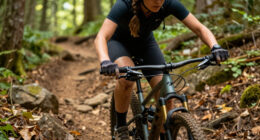
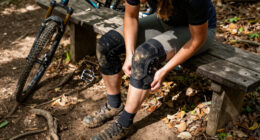
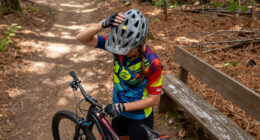
To brake effectively on dirt, approach corners with moderate speed and gently squeeze the brake lever, applying smooth, progressive pressure. Focus on shifting weight forward to increase front tire grip while leaning into the turn. Manage your brakes carefully during the turn to maintain control, then smoothly release as you exit. Practicing proper weight transfer and brake modulation will help you stay stable and confident on tricky terrain—keep exploring, and you’ll master this essential technique.

Get sports gear delivered free with Prime
- Fast, free delivery on millions of items
- Prime Video, Amazon Music and more included
- Member-only deals all year
Key Takeaways
- Use controlled, gentle squeezing of the brake lever to avoid skidding and maintain traction.
- Gradually transfer weight forward during braking to improve front tire grip and stability.
- Initiate braking before entering the turn, then ease off slightly as you lean into the corner.
- Maintain light, consistent brake pressure during the turn to help control speed and direction.
- Smoothly release brakes after the turn to preserve momentum and prevent abrupt loss of control.

Have you ever wondered how to brake effectively on dirt trails? It’s a skill that can drastically improve your riding control and safety, especially when maneuvering tricky turns or loose terrain. The key lies in mastering trail braking and understanding how to manage weight transfer. Trail braking involves gradually applying the brakes as you approach a corner, rather than braking hard beforehand and then coasting into the turn. This technique helps you keep better control of your bike, maintain traction, and prepare for the corner’s demands. When you trail brake correctly, you shift some of your bike’s weight forward, which increases the grip on the front tire and prevents the bike from washing out or sliding out unexpectedly.
Master trail braking to improve control, traction, and safety on dirt trails.
To execute trail braking effectively, start by approaching the turn at a controlled speed. As you near the apex of the corner, gently squeeze the brake lever, focusing on smooth, progressive pressure. Don’t slam on the brakes; instead, modulate your braking to transfer weight gradually onto the front wheel. This weight transfer enhances front tire grip, giving you more control over your steering. As you lean into the turn, keep applying the brakes lightly, but don’t overdo it—your goal is to maintain a delicate balance between deceleration and control. Once you reach the desired corner speed, gently release the brake and focus on shifting your weight to the inside of the turn. This shifting helps you stay balanced and allows the bike to carve through the trail smoothly.
Understanding how weight transfer works during trail braking is essential. When you apply the brakes, your motorcycle’s weight shifts forward, increasing traction on the front tire. This forward weight transfer is what makes trail braking so effective on dirt, as it helps you stay composed and prevents rear-end slides. However, too much front brake pressure can cause the front wheel to lock or wash out, especially on loose or uneven surfaces. That’s why gradual, controlled braking is vital. As you exit the turn, smoothly release the brakes and let the bike’s momentum carry you forward. Your ability to manage weight transfer during these critical moments determines how well you maintain control and stay smooth through the trail. Additionally, choosing the right braking technique can prevent unnecessary wear on your bike and improve your overall riding efficiency.
Practicing trail braking on varied terrain will improve your feel for how your bike responds, giving you confidence in all riding conditions. Remember, it’s about finesse—balancing brake pressure and weight transfer to keep your bike planted and your control sharp. With patience and consistent practice, you’ll develop a seamless technique that makes riding on dirt trails safer, more predictable, and more enjoyable.
As an affiliate, we earn on qualifying purchases.
Frequently Asked Questions
How Does Tire Pressure Affect Dirt Braking?
Lower tire pressure increases your tire grip on dirt, helping you brake more effectively by enhancing traction and control. However, too much pressure reduction can cause tire rollover or pinch flats. You should manage pressure carefully, balancing grip and stability. Proper pressure management allows you to optimize braking performance, ensuring your tires maintain ideal contact with the terrain, giving you confidence and safety when approaching turns or stopping quickly on dirt trails.
Can Braking Techniques Vary for Different Dirt Track Types?
Think of dirt track surfaces as different terrains in a story, each demanding a unique approach. You adjust your braking techniques to match these variations, like shifting gears in a narrative. For loose gravel, gentle, progressive braking keeps control, while firmer surfaces require firmer modulation. Brake system variations—such as disc or drum brakes—also influence your actions, helping you adapt seamlessly and maintain mastery over diverse dirt track conditions.
What’s the Best Way to Recover From a Skid on Dirt?
To recover from a skid on dirt, stay calm and avoid panicking. Shift your rider posture slightly back to maintain balance and control. Focus on smooth brake modulation, easing off the brakes gradually to regain traction. Keep your eyes ahead and steer gently in the direction you want to go. By maintaining proper posture and controlling your brakes, you can effectively regain control and continue riding smoothly.
How Do Weight Distribution Changes Impact Dirt Braking?
Weight transfer dramatically influences dirt braking by shifting front and rear balance. When you brake, your weight moves forward, increasing front grip but reducing rear stability. Conversely, easing off shifts weight back, improving rear traction. Mastering this balance allows you to modulate braking effectively, preventing lockups or skids. You actively manage weight transfer to maintain control, ensuring your bike responds predictably and safely during dirt braking.
Are There Specific Brake Pads Recommended for Dirt Riding?
Yes, you should use dirt-specific brake pads or gravel brake pads for maximum performance. These pads are designed to handle dirt and gravel surfaces, providing better grip and reducing stopping distances. They often feature softer compounds that improve modulation and prevent skidding on loose terrain. Upgrading to these specialized pads ensures you maintain control and safety while riding on dirt, especially during aggressive braking or descents.
Conclusion
Mastering your braking technique on dirt is like steering a boat through choppy waters—you need control, finesse, and a steady hand. When you stay relaxed and focus on smooth, controlled braking, you’ll keep your momentum steady and avoid surprises. Remember, every rider’s style is unique, but consistency and patience are your anchors. Keep practicing, stay mindful, and soon, you’ll glide over dirt like a ship sailing smoothly through rough seas.
Halloween Picks
halloween
As an affiliate, we earn on qualifying purchases.