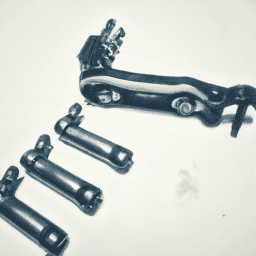

Fitting new pedals on your bicycle might appear challenging, yet with the correct equipment and clear guidance, it’s a straightforward and efficient process. In this article, I’ll lead you through each step required to install new pedals on your bicycle.
Before we begin, it is important to note that there are different types of pedals available in the market, and each one may have a slightly different installation process. However, the basic steps remain the same.
In this article, I will cover the general process for installing pedals on a standard bike. So, let’s gather our tools and get started!
Key Takeaways
- The necessary tools for installation include a pedal wrench, 15mm wrench or Allen key, and grease.
- New pedals must be inspected for defects and greased before installation.
- Pedals must be securely attached and tightened to prevent them from coming loose while riding.
- Proper pedal alignment is crucial for comfortable and efficient riding.

Faireach 800D Heavy Duty Bike Cover for Transport 2 Bikes, Outdoor Bike Covers for 2 Bikes on Rear Bike Rack, Waterproof Windproof Electric Bicycle Cover with Straps & Storage Bag
800D Heavy Duty & Super Waterproof Bike Cover: Crafted from premium 800D Oxford fabric with PU coating, Faireach...
As an affiliate, we earn on qualifying purchases.
Gather the Necessary Tools
Now, you’re gonna need a few tools to get these pedals installed, so let’s gather ’em up!
The first thing you’ll need is a pedal wrench, which is a thin and long wrench specifically designed for pedal installation. You’ll also need a 15mm wrench or an Allen key, depending on the type of pedals you’re installing.
Additionally, it’s important to have some grease handy to lubricate the pedal threads and ensure smooth installation. Proper pedal alignment is crucial to ensure a comfortable and efficient ride.
One common mistake during installation is not aligning the pedals correctly, which can result in knee pain and discomfort. Another mistake is not tightening the pedals enough, which can cause them to loosen and fall off while riding.
With the right tools and attention to detail, you can install your pedals correctly and avoid these common mistakes. Now, let’s move on to how to remove those old pedals.

Topcrown Bike Cover Waterproof Outdoor Storage for 1/2/3 Bikes, Bicycle Cover Rain Sun UV Dust Wind Proof with Storage Bag for Mountain Road Bike/Ebike (210D Black+Green, XL Size for 1 bike)
Fabric Characteristics - Topcrown bike cover uses 210D fabric combined with a hydrophobic coating, PU waterproof coating, and...
As an affiliate, we earn on qualifying purchases.
Remove Old Pedals
First, you’ll need to get rid of those worn-out footrests to make room for the shiny new ones. To do this, you’ll need a pedal wrench or an Allen key, depending on the type of pedals you have. If you’re not sure which one to use, check the manufacturer’s instructions or ask a professional for advice.
Once you have the right tool, position it on the pedal axle and turn it counterclockwise to loosen the pedal. Be sure to hold onto the crank arm with your other hand to prevent it from turning. If the pedal is stubborn and won’t budge, try using some penetrating oil to loosen it up. If that still doesn’t work, take your bike to a mechanic for assistance.
With the old pedals removed, you’re now ready to prepare your new pedals for installation.

Schwinn Wayfarer Hybrid Bike, 700c Mens and Womens Bike, 7-Speed Hybrid Bicycle, Retro Steel Frame, Front and Rear Linear Pull Brakes, Fenders, Cargo Space, Adult Bicycle
HYBRID BICYCLE: Ride in comfort and vintage style with the Wayfarer by Schwinn. With 700c wheels, this mens...
As an affiliate, we earn on qualifying purchases.
Prepare New Pedals
Before you can get your feet on those fresh new footrests, it’s time to give them a little prep work.
The first thing you need to do is inspect the threads on your new pedals. Make sure there aren’t any visible defects or damage. This is important because if the threads are damaged, your pedals won’t fit properly on your cranks. If you do notice any defects, it’s best to return the pedals and get a new pair.
Once you’ve inspected the threads and everything looks good, it’s time to grease the pedal bearings. This’ll help prevent rust and corrosion, and also ensure that the pedals spin smoothly.
To do this, apply a small amount of grease to the threads and the bearings of each pedal. Spread the grease evenly with your finger or a small brush.
With this done, you’re now ready to install your new pedals securely onto your bike.

AVASTA 26 Inch Hybrid Bike, Lightweight Step-Through Hi-Ten Steel Frame for City Commuting, 6 Speed Comfort Bicycle with Metal Basket in Elegant Black with Stylish Beige Tires for Woman Female
🚴♀️【Premium Frame & Effortless Assembly】The AVASTA Vela hybrid bike features a sturdy high tensile steel frame designed for...
As an affiliate, we earn on qualifying purchases.
Install New Pedals
To attach your new footrests, take hold of the pedal and place it onto the corresponding crank arm with the threads facing towards the front wheel. Carefully align the pedal with the correct side of the bike. Use your hand to begin screwing the pedal into the crank arm, and then use pedal wrenches to tighten it.
Remember to tighten the pedal on the left side of the bike counterclockwise, while tightening the pedal on the right side of the bike clockwise. Be sure to tighten the pedal securely to prevent it from coming loose during use.
When choosing pedals, consider the type of riding you will be doing. If you’re a casual rider, platform pedals may suffice. However, if you’re an avid cyclist, you may want to invest in clipless pedals.
To maintain your pedals, regularly clean them with a soft cloth and lubricate the threads with grease to ensure smooth rotation. Once you’ve installed your new pedals, it’s important to test them before use to ensure they’re securely attached.
Test the Pedals
After installing your new footrests, it’s important to test them to ensure they’re securely attached before riding. To do this, start by checking the fit of the pedals.
A proper pedal fit will ensure that your foot stays on the pedal and doesn’t slip off while riding. The best way to check the fit is to stand over the bike and place your feet on the pedals. Make sure that the ball of your foot is centered over the pedal axle. If your foot is too far forward or back, adjust the position of the pedal accordingly.
Once you’ve checked the fit of the pedals, it’s time to troubleshoot any issues. If the pedals feel loose, try tightening them with a pedal wrench. If they still feel loose, check that the threads on the pedals and crank arms are clean and undamaged. If the pedals are still not secure, it may be necessary to replace the pedal threads or the crank arms.
Lastly, make sure that the pedals are spinning smoothly and freely. If they feel stiff or grind, check for any debris or damage to the bearings and replace them if necessary.
By properly testing your new pedals, you can ensure a safe and enjoyable ride.
Frequently Asked Questions
What are the different types of bicycle pedals, and how do I choose the right one for my bike?
When choosing bicycle pedals, consider the type of riding you’ll be doing and your personal preferences. Pedal materials comparison shows that aluminum and titanium are lightweight and durable. Pedal weight vs. performance shouldn’t be overlooked, but comfort and grip are also important factors to consider.
Can I install pedals without a pedal wrench, and if so, what other tools can I use?
Yes, you can install pedals without a pedal wrench. Alternative pedal installation tools include an adjustable wrench, hex key, or a flathead screwdriver. Follow specific installation techniques to ensure proper installation without a wrench.
How do I know if my pedals are compatible with my crankset?
To ensure pedal compatibility with your crankset, check the threading and diameter of both components. The most common threading is 9/16", but some bikes may have different sizes. Always refer to manufacturer specifications for the best fit.
Is it necessary to use any lubricant or grease when installing new pedals, and if so, which type should I use?
When installing new pedals, it’s important to use lubrication to prevent wear and ensure smooth operation. I recommend using a waterproof, high-quality grease such as Park Tool PolyLube 1000 for pedal maintenance.
What should I do if my pedals keep coming loose or making a clicking noise while riding?
My pedals kept coming loose and making an annoying clicking noise while riding. I adjusted the pedal tension and followed proper pedal maintenance techniques, and it solved the issue. Don’t overlook these simple adjustments to avoid frustrating problems.
Conclusion
In conclusion, installing bicycle pedals is a straightforward process that can be easily accomplished with the right tools and a bit of patience. It’s important to gather all the necessary tools before beginning the installation process so you can save time and ensure that you have everything you need to complete the job.
Once you’ve removed the old pedals and prepared the new ones, installing them is a breeze. Just remember to tighten them securely and test them before hitting the road. As the saying goes, "the proof is in the pudding."
Once you’ve successfully installed the pedals and taken your bike for a spin, you’ll know that you’ve done a job well done. So don’t be afraid to give it a try and enjoy the satisfaction of a job well done.