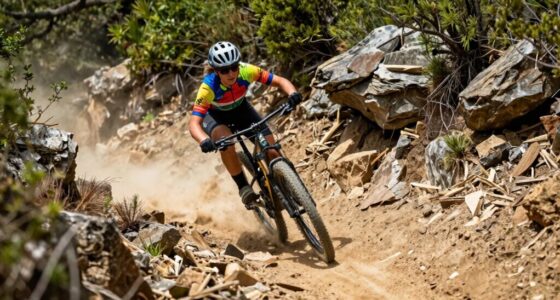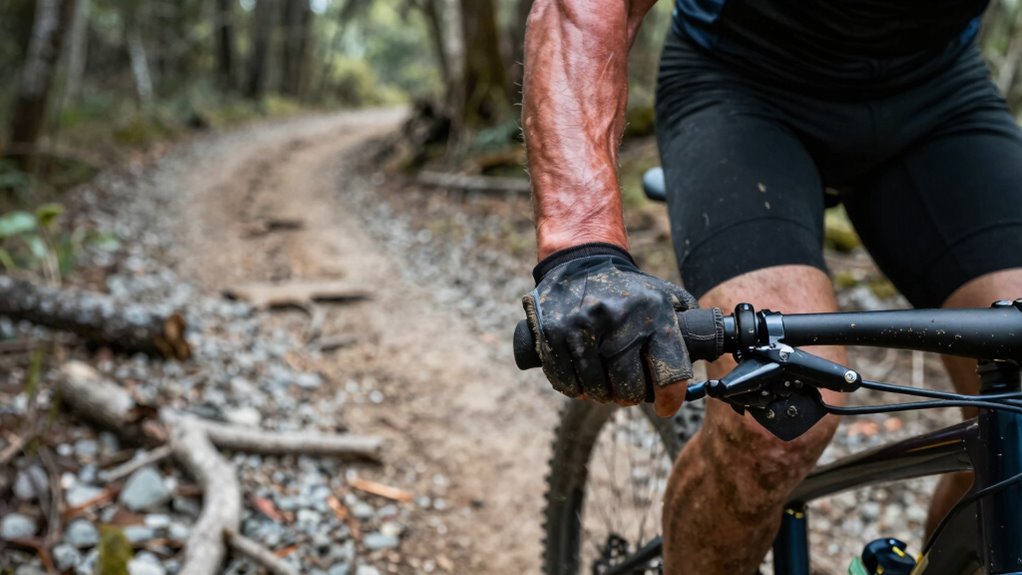

Your fatigue can sneak up quickly during mountain biking because it develops gradually, with subtle warning signs that are easy to overlook. You might feel fine at first, but as glycogen stores deplete and dehydration sets in, your muscles tire faster. Poor conditioning, insufficient hydration, and lack of nutrition can all cause you to hit a wall unexpectedly. If you want to understand how to spot early signs and prevent an early crash, keep exploring these ideas further.

Get sports gear delivered free — and shop member deals
- Fast, free delivery on millions of items
- Access to Prime Big Deal Days deals on October 6–7
- Prime Video, Amazon Music and more included
Key Takeaways
- Fatigue develops gradually with subtle early warning signs often overlooked by riders.
- Dehydration impairs blood flow and oxygen delivery, accelerating perceived fatigue before noticeable symptoms.
- Muscle glycogen depletion causes slow buildup of fatigue, often unnoticed until sudden exhaustion occurs.
- Poor overall fitness reduces endurance, making fatigue onset quicker and less perceptible.
- Riders tend to misinterpret early fatigue signs as normal tiredness, delaying necessary rest or nutrition.
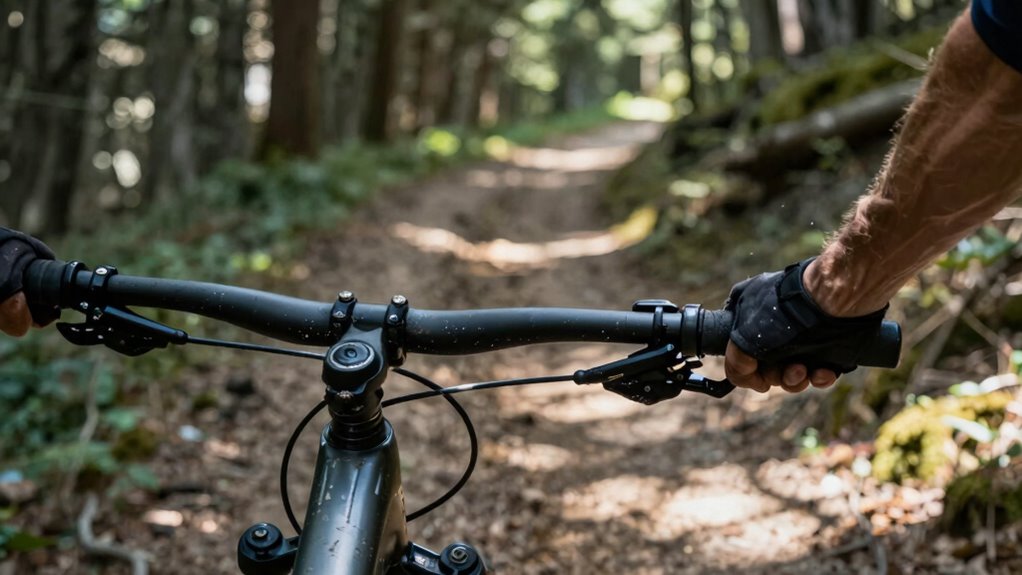
Many mountain bikers underestimate how quickly fatigue can set in during a ride, often feeling fine until they suddenly hit a wall. This sudden exhaustion can catch you off guard, but understanding why it happens earlier than you expect can help you stay ahead of it. One key factor is your hydration levels. When you don’t drink enough water during your ride, your body struggles to regulate temperature and transport nutrients efficiently. Dehydration leads to a drop in blood volume, which means your heart has to work harder to pump blood, reducing oxygen flow to your muscles. As a result, you start feeling tired sooner, even if you don’t notice the signs of dehydration right away. Keeping a steady intake of fluids throughout your ride is essential, especially on hot days or during intense climbs, to maintain your hydration levels and delay the onset of fatigue. Proper hydration also supports your body’s natural ability to recover and maintain energy, which is crucial for sustained performance.
Staying hydrated throughout your ride helps delay fatigue and keeps your muscles performing at their best.
Another major contributor is muscle endurance. Your muscles can only sustain activity for so long before they start to tire, and this process begins subtly. When you push yourself on rough trails or steep inclines, your muscles use glycogen stores for energy. Over time, these stores diminish, and your muscles become less efficient at producing force. Without proper fueling before and during your ride, your muscles fatigue faster. This decline in muscle endurance happens gradually, but you might not notice it until you’re already feeling drained. As muscles tire, your form and power decrease, which can lead to increased effort and quicker exhaustion. To combat this, you need to focus on nutritional strategies—carbohydrate intake before and during your ride—to keep your energy levels up and preserve muscle endurance. Additionally, training for endurance can help improve your muscles’ ability to sustain effort for longer periods, and incorporating rest days into your training schedule can allow your muscles to recover fully, reducing the risk of early fatigue. Recognizing the importance of hydration and nutrition can help you develop a comprehensive strategy to delay fatigue and enhance your riding endurance.
Additionally, your overall fitness level influences how quickly fatigue sets in. If your body isn’t conditioned for longer or more intense rides, your muscles and cardiovascular system tire faster. This means you’ll reach that wall sooner, even if you feel okay at the start. Proper training, combined with good hydration and nutrition, can greatly extend your ability to ride longer without feeling wiped out.
In essence, your body’s ability to sustain a ride depends heavily on managing hydration levels and muscle endurance. The early signs of fatigue often go unnoticed because they develop gradually, and you might misinterpret them as mere tiredness rather than the beginning of deeper fatigue. Paying close attention to how you hydrate and fuel your body, along with consistent training, can help you delay the feeling of hitting that wall, making every ride more enjoyable and less exhausting. Recognizing the importance of nutritional strategies can significantly improve your endurance and overall riding experience.
As an affiliate, we earn on qualifying purchases.
Frequently Asked Questions
How Can I Tell if I’M Experiencing Early Fatigue?
You can tell you’re experiencing early fatigue if you notice muscle soreness that doesn’t go away quickly or feels more intense than usual. Keep an eye on your hydration levels, because dehydration can make fatigue hit faster. If you’re feeling unusually tired, have less strength, or your muscles ache earlier than expected, it’s a sign to rest, hydrate, and maybe adjust your riding intensity to prevent further exhaustion.
What Are the Initial Signs of MTB Fatigue?
You’ll notice the initial signs of MTB fatigue through muscle soreness, a feeling of sluggishness, and declining hydration levels. Your muscles may feel tight or achy, your energy dips unexpectedly, and you might feel more thirsty or dehydrated than usual. These early signals often appear before you realize it, so pay attention to muscle soreness, hydration levels, and overall energy. Recognizing these signs helps you adjust your pace and stay ahead of fatigue.
Does Terrain Type Influence How Quickly Fatigue Sets In?
Yes, terrain type definitely influences how quickly fatigue sets in. Tough terrain challenges, like steep climbs or rocky sections, demand more effort, leading to earlier fatigue indicators. Technical trails cause your muscles to work harder, so you might notice signs of tiredness sooner. Moving smoothly over varied terrain helps delay fatigue, but the more demanding the trail, the faster you’ll feel exhaustion creeping in.
Can Nutrition Affect Early Fatigue Onset?
Yes, nutrition can affect early fatigue onset. Nutritional strategies like consuming easily digestible carbs and electrolytes help maintain your energy levels, delaying fatigue. Hydration management is equally essential, as dehydration worsens tiredness and hampers performance. By fueling your body properly and staying hydrated, you give yourself a better chance to ride longer without feeling the early signs of fatigue. Proper nutrition keeps your stamina steady and your ride enjoyable.
How Does Rider Experience Impact Fatigue Awareness?
Your rider experience greatly impacts your fatigue awareness. With higher confidence and refined technical skills, you notice subtle signs of fatigue earlier, allowing you to adapt your pace or take breaks proactively. Less experienced riders often overlook early warning signals, risking overexertion. Developing your skills boosts confidence, making you more attuned to your body’s cues, so you can manage fatigue better and prevent burnout during challenging rides.
Conclusion
Just like a silent river carving through rock over time, fatigue subtly erodes your strength before you even realize it. By the time you feel the weight in your legs or the drag in your breath, the damage is already done. Stay mindful of these quiet signs, and you’ll keep the river flowing smoothly. Recognize the early whispers of exhaustion—before they become the roaring rapids of burnout—and keep riding strong, mile after mile.
Halloween Picks
halloween
As an affiliate, we earn on qualifying purchases.