To climb technical trails without stalls, anticipate trail features and shift to lower gears before reaching tricky sections. Maintain a steady cadence by choosing gears that give you control and torque on rocky or tight switchbacks, and switch to higher gears on flatter parts to build speed. Keep your bike well-maintained for smooth shifting, and focus on body position to stay balanced. Continue exploring these strategies to master your trail rides more confidently.
Key Takeaways
- Anticipate trail features and select lower gears early to maintain control and prevent stalls on technical climbs.
- Keep a steady cadence and centered body position to maintain momentum and reduce the risk of losing traction.
- Regularly inspect and maintain your drivetrain for smooth shifting and reliable power transfer during technical sections.
- Practice smooth, deliberate gear changes to avoid chain slippage and ensure consistent torque application.
- Choose optimal lines and adjust gears proactively based on trail difficulty to navigate technical climbs efficiently.

If you’re looking to elevate your mountain biking experience, Climb Tech Trails offers a perfect blend of challenging terrain and technical features. To navigate these trails without stalls, your gear selection plays an essential role. Knowing when to shift gears can mean the difference between a smooth ride and losing momentum. As you approach steep inclines or technical sections, anticipate your gear needs ahead of time. For instance, shifting into a lower gear before hitting a difficult climb helps maintain cadence and prevents you from stalling out. Conversely, when descending or riding on flatter sections, shifting into higher gears allows you to pick up speed efficiently. The key is to stay attentive to trail difficulty and adjust your gears proactively, rather than reactively, to keep your momentum steady. Additionally, understanding your bike’s gear capabilities and limitations ensures smoother transitions and reduces the risk of mechanical issues during challenging sections.
Understanding the trail difficulty is fundamental to avoiding stalls. Climb Tech Trails are designed with varying levels of challenge, from moderate singletracks to demanding technical features. Before starting, assess the trail’s difficulty and plan your gear choices accordingly. For more technical parts, such as rocky sections or tight switchbacks, drop into a gear that offers more control and torque. This setup minimizes the risk of losing traction or overexerting your muscles, both common causes of stalls. On less challenging stretches, you can afford to shift into higher gears to gain speed. Staying aware of trail difficulty helps you prepare mentally and physically, ensuring your gear selection aligns with the demands of each section. Keeping your drivetrain well-maintained and clean also contributes to smoother gear shifting, especially on technical terrain.
Assess trail difficulty first to choose gears that maximize control and minimize stalls.
Additionally, your body positioning and riding technique influence your ability to avoid stalls. Keep your weight centered and maintain a steady cadence, especially on technical terrain. If you feel yourself losing momentum, don’t hesitate to shift gears or adjust your line. Smooth, deliberate shifts prevent chain slippage and ensure consistent power transfer. Practice shifting techniques beforehand, so you’re confident during complex sections. Staying relaxed and focused allows for quicker responses to trail challenges, reducing the likelihood of stalls.
Finally, maintaining your bike’s drivetrain and knowing your bike’s capabilities are fundamental. Regularly check your gears and chain for proper functioning. A well-maintained bike responds more predictably to gear changes, helping you keep control on difficult sections. Remember, the goal isn’t just to conquer technical features but to do so fluidly, without stalls or interruptions. With careful gear selection, awareness of trail difficulty, and proper technique, you’ll find yourself riding more confidently and smoothly through Climb Tech Trails. Being familiar with gear mechanics and troubleshooting common issues can further enhance your riding experience.
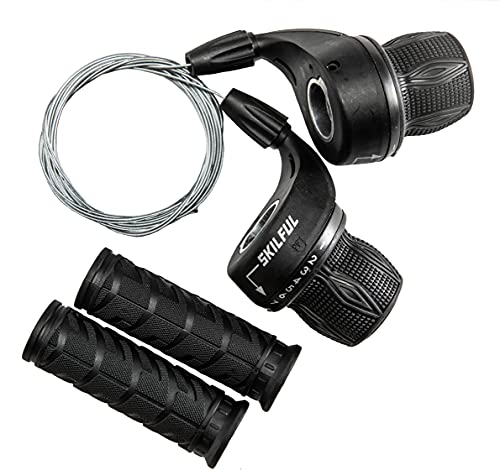
MEGHNA Bicycle 21 Speed Twist Shifter Lever 3 x 7 Speed Grip Shift Left and Right Shifting Mountain Bike Hybrid Bike Kids Bike Tricycle Gear Grip Shifter with Grips (Pair)
Model: MG-MG-BS-3X7S; 3 x 7 / 21 Speed Bike Twist Shifter with Handle Grips Set.
As an affiliate, we earn on qualifying purchases.
As an affiliate, we earn on qualifying purchases.
Frequently Asked Questions
What Gear Is Essential for Climbing Tech Trails?
To conquer tech trails, you need the right gear essentials for mountain biking. Wear a durable helmet, gloves, and protective pads to stay safe. Use a mountain bike with full suspension and wide tires for better control, and carry a hydration pack for endurance. A multi-tool, spare tube, and pump are vital for quick repairs. These essentials help you climb efficiently and handle technical sections confidently.
How Do I Improve My Technical Trail Riding Skills?
To improve your technical trail riding skills, focus on consistent practice and refining your technique. Make sure your bike is well-maintained for peak performance, and always follow trail etiquette to stay safe and respectful. Practice handling tricky obstacles, like roots and rocks, and work on your balance and braking. Watching tutorials or riding with experienced bikers can also boost your skills, helping you navigate tech trails with confidence.
What Safety Precautions Should I Take on Challenging Trails?
Think of your ride as a journey through a wild jungle, where safety is your trusty machete. Always wear a helmet and gloves, and check your bike beforehand. Stay alert to trail signs, and plan for trail nutrition and hydration strategies to keep your energy steady. Carry a small first aid kit, and ride within your skill level. These precautions guarantee you navigate the challenging terrain safely, like a seasoned explorer.
Which Trail Features Are Most Common in Tech Trails?
On tech trails, you’ll frequently encounter trail features like rocks, roots, drops, and tight turns. These technical obstacles challenge your skills and require precise control. Expect features such as ledges, switchbacks, and narrow pathways that demand focus and balance. Being prepared to navigate these obstacles safely involves staying alert, choosing the right line, and maintaining proper technique, so you can enjoy the trail while minimizing risks.
How Can I Prevent Mechanical Issues During Climbs?
Think of your bike as a finely tuned orchestra—every part must work in harmony. To prevent mechanical issues during climbs, you should regularly perform bike maintenance, checking the drivetrain, brakes, and tires. Additionally, hone your rider technique by maintaining steady cadence and avoiding sudden pedal strokes. This combination keeps your bike smooth and reliable, allowing you to focus on conquering those tech trails without stalls.

Muc-Off Bike Wash & Drivetrain Essentials Kit – Perfect to Clean, Protect Your Bicycle Drivetrain – Includes Cleaner, Lube and More
THE ULTIMATE GIFT: The Muc-Off Bike Wash & Drivetrain Essentials Kit is the perfect gift for any bike…
As an affiliate, we earn on qualifying purchases.
As an affiliate, we earn on qualifying purchases.
Conclusion
Now that you know how to tackle tech trails without stalls, are you ready to conquer those tricky sections with confidence? Picture yourself smoothly maneuvering jagged rocks and sharp turns, feeling in control every step of the way. With the right skills and mindset, you’ll turn daunting challenges into your trailside victories. So, why not embrace the adventure and climb higher than ever before? Your next epic ride is just a trail away.

Fox Racing Men's Ranger Mountain Bike Glove, Black, Medium
Low-profile neoprene cuff with hook and loop closure system for a premium, customizable fit
As an affiliate, we earn on qualifying purchases.
As an affiliate, we earn on qualifying purchases.

WTB Trail Boss Mountain Bike Tire (26" x 2.25") Wire Bead 30tpi, Aggressive Tread & Superior Grip for Trail Rides
UNIVERSAL MOUNTAIN BIKE TIRE – The Trail Boss inhabits the middle ground between slick bike tires and chunky…
As an affiliate, we earn on qualifying purchases.
As an affiliate, we earn on qualifying purchases.