
Choosing repairable bike components helps you cut down waste, save money, and support eco-friendly cycling habits. Repairable parts like chains, brake pads, and tires are designed for easy fixes, extending their lifespan and reducing the need for full replacements. This approach not only benefits the environment but also encourages sustainable manufacturing practices. By adopting repairable components, you contribute to a greener cycling culture—stay with us to discover more ways you can make a difference.

Get sports gear delivered free with Prime
- Fast, free delivery on millions of items
- Prime Video, Amazon Music and more included
- Member-only deals all year
Key Takeaways
- Repairable bike components reduce waste, promoting eco-friendly cycling and resource conservation.
- They lower costs by enabling easy replacement and maintenance instead of full part disposal.
- Design for repairability extends component lifespan and simplifies recycling processes.
- Regular maintenance encourages sustainable habits and prolongs bike usability.
- Supporting repairable parts fosters a culture of environmental responsibility and sustainable manufacturing.
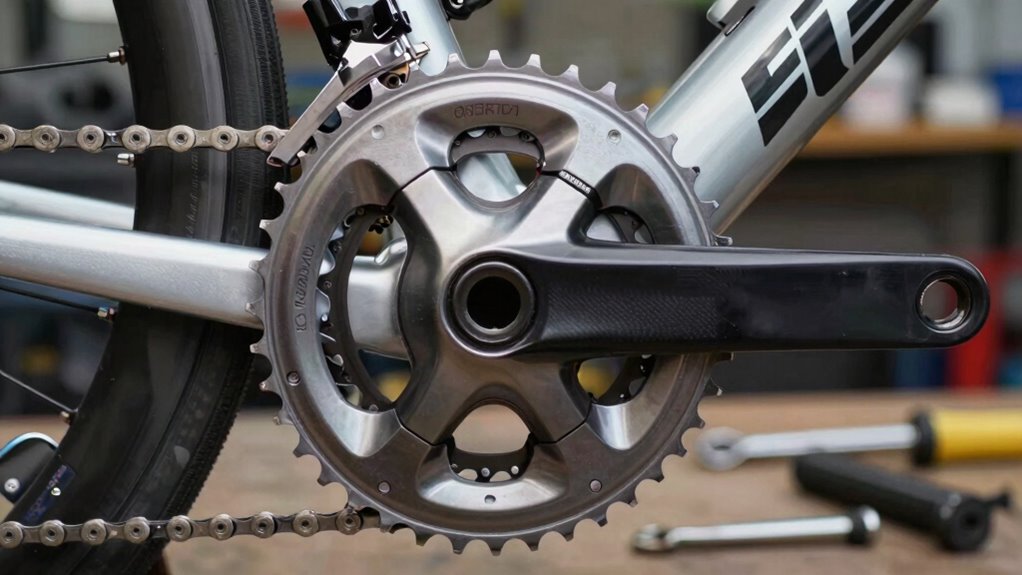
Ever wondered which bike parts you can easily repair instead of replacing? You’re not alone. Embracing repairable bike components isn’t just about saving money; it’s about making smarter choices that benefit the environment and extend the lifespan of your bike. When parts are designed with repairability in mind, it encourages eco friendly manufacturing practices, reducing waste and conserving resources. Design for repairability can significantly influence how easily components are maintained and recycled. Instead of tossing out an entire component when it malfunctions, you can often fix or replace specific elements, which cuts down on landfill waste and decreases the demand for new manufacturing. This approach aligns with consumer maintenance habits that favor longevity and sustainability, transforming how you care for your bike.
Choosing repairable bike parts reduces waste, saves money, and promotes eco-friendly cycling habits.
Many critical parts, like chains, brake pads, and tires, are inherently repairable or replaceable without the need for costly or complicated procedures. For example, chains wear out over time but can be easily replaced or even repaired with basic tools, avoiding the expense of buying a whole new drivetrain. Brake pads, which wear down with use, are designed to be swapped out quickly, ensuring your safety isn’t compromised. Tires, though susceptible to punctures, are often repairable through patching or tube replacement, rather than discarding the entire wheel. These small, manageable repairs contribute considerably to reducing waste and promoting a more sustainable biking culture. Additionally, repairability is increasingly prioritized by manufacturers aiming to meet eco friendly standards and consumer demand for sustainable products. Incorporating eco friendly manufacturing practices can further enhance the sustainability of bike components, making repairs more straightforward and environmentally conscious. A focus on component durability can lead to longer-lasting parts that are easier to repair and recycle.
Choosing repairable components also encourages better consumer maintenance habits. Regularly inspecting and maintaining parts prolongs their lifespan, saving you money in the long run and reducing the frequency of replacements. This proactive approach fosters a sense of ownership and responsibility for your bike, making maintenance feel less like a chore and more like a sustainable practice. Additionally, many OEMs now prioritize eco friendly manufacturing processes, designing parts that are easier to repair and recycle, which aligns perfectly with environmentally conscious cycling. Sustainable manufacturing practices can enhance the overall durability and repairability of bike components, making the process even more eco-conscious. When you opt for repairable components, you’re supporting a cycle of reuse and repair that benefits the planet.
In the end, embracing repairable bike components isn’t just about convenience; it’s a statement of environmental responsibility and smart consumer habits. By choosing parts that can be fixed rather than discarded, you help reduce waste, conserve natural resources, and promote a more sustainable biking culture. It’s a simple shift that makes a big difference—one repair at a time—while keeping your bike running smoothly and efficiently for years to come.
Products Worth Considering

Garmin Tacx Boost Indoor Bike Trainer
TheraGun Therabody Relief Massage Gun – 3 Speed, Navy

Garmin Index Sleep Monitor, L/XL Bundle
As an affiliate, we earn on qualifying purchases.
Frequently Asked Questions
How Do Repairable Bike Components Compare in Cost to Disposable Parts?
Repairable bike components typically cost more upfront than disposable parts, but they offer long-term savings. You’ll spend less over time because repairable parts last longer and can be fixed rather than replaced. This approach enhances sustainability benefits and reduces environmental impact, making your ride more eco-friendly. By choosing repairable components, you invest in durability and minimize waste, ultimately saving money and supporting a greener, more sustainable future for cycling.
Are Repairable Components Available for All Types of Bikes?
Repairable components are available for most bikes, but their availability varies like a map with many routes. You’ll find durable bike frames and tire repair options for nearly all types, from mountain bikes to city cruisers. While some specialized bikes might have limited repair options, generally, you can find parts that extend your bike’s life. This makes maintenance easier and keeps you rolling without constantly replacing entire bikes.
What Training Is Needed to Repair Bike Components Myself?
To repair bike components yourself, you need basic DIY maintenance skills and the right tools. Start with learning how to use essential tools like wrenches, screwdrivers, and tire levers. You can find online tutorials, videos, or take a beginner bike repair class. Practice regularly, and gradually tackle more complex repairs. With patience and the right tool requirements, you’ll become confident in maintaining and fixing your bike efficiently.
How Long Do Repairable Bike Components Typically Last?
Repairable bike components usually last several years with proper maintenance, often between 3 to 10 years. Their durability offers notable sustainability benefits, as you can replace individual parts instead of discarding the entire bike, reducing environmental impact. By choosing repairable components, you’re actively contributing to eco-friendly riding, conserving resources, and minimizing waste. Regular upkeep ensures these parts perform well and extend their lifespan even further.
Do Repairable Parts Affect Bike Warranty Coverage?
Think of your bike’s warranty like a castle’s moat—some parts are protected, others aren’t. Repairable parts may sometimes trigger warranty exclusions if they involve component replacement, especially if the manufacturer’s terms specify non-covered repairs. Always check your warranty details, as using repairable components might affect coverage, but they often extend your bike’s lifespan. Stay informed to avoid surprises and keep your cycling adventures smooth.
Conclusion
Choosing repairable bike components is like planting a seed for sustainability—you nurture it, and it keeps giving back. By opting for parts you can fix yourself, you’re not only saving money but also reducing waste and extending your bike’s life. It’s a small change that makes a big difference, like turning a single pedal stroke into a journey of impact. Embrace repairability and keep your ride going strong for miles to come.