Using roof tents and support vehicles on multi-day bike trips gives you greater comfort, flexibility, and adventure options. You’ll save space by avoiding traditional tents and enjoy quick setup for more exploring time. Support vehicles carry your gear, supplies, and spare parts, making longer trips easier. They let you camp almost anywhere, explore remote spots, and adapt your route as you go. Keep going to discover how these tools can elevate your cycling adventures even further.
Key Takeaways
- Support vehicles carry camping gear, supplies, and spare parts, enabling longer and more comfortable cycling adventures.
- Roof tents provide quick, elevated, and weather-resistant sleeping solutions, enhancing safety and convenience.
- The combination allows for spontaneous route changes and exploration of remote, scenic, or off-grid locations.
- This setup reduces the need for traditional campsites, promoting eco-friendly and flexible outdoor experiences.
- Overall, it increases comfort, safety, and adventure potential, transforming multi-day bike trips into more enjoyable journeys.

Have you ever wondered how to combine the freedom of biking with comfortable overnight stays? If you’re planning multi-day bike trips, the right gear can make all the difference. Roof tents and support vehicles have revolutionized cycling adventures, offering a unique blend of mobility and comfort. With these setups, you’re no longer limited to crowded campsites or finding accommodation at the end of each day. Instead, you can set up camp almost anywhere, giving you more flexibility and spontaneity on your journey.
One of the biggest advantages of roof tents is how they simplify your camping gear. They’re lightweight, easy to deploy, and save space inside your support vehicle or bike. No more pitching tents every night or lugging heavy gear around. Instead, your setup becomes quick and efficient—just unfold the roof tent, climb in, and rest. This quick setup means you can spend more time enjoying your ride and less time worrying about where to sleep. Plus, the elevated position of roof tents offers better protection from the elements and wildlife, keeping you safer and drier during unexpected weather changes.
Roof tents are lightweight, quick to set up, and provide better protection, making camping easier and safer on multi-day rides.
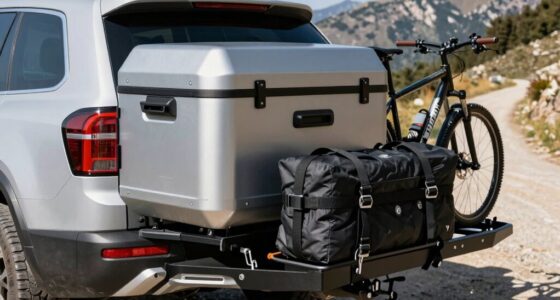
Support vehicles play a vital role in route planning. They give you a mobile base, allowing you to carry your camping gear, spare parts, and extra supplies without cluttering your bike. This support system also enables you to cover longer distances comfortably, knowing you have a reliable way to rest and resupply. When planning your route, you can choose more scenic or remote paths, knowing your support vehicle can handle the terrain and deliver your gear to the perfect camping spots. This flexibility can turn a straightforward bike trip into an epic adventure, letting you explore less-traveled routes with confidence. Additionally, durability of roof tents ensures they can withstand various weather conditions, making them a reliable choice for extended trips.
Having a support vehicle also means you can carry additional comforts—extra clothing, cooking gear, or even a small cooler for food and drinks—making your trip more enjoyable. You can plan your days around natural landmarks or hidden gems, stopping whenever something catches your eye. The combination of roof tents and support vehicles means you’re no longer tied to traditional accommodations; instead, you create your own adventure, camping in places you’d never reach with just a backpack and tent. Moreover, the environmental impact of using durable and eco-friendly gear can help minimize your footprint during extended outdoor trips. It’s also worth noting that weather resistance is a crucial factor in selecting a roof tent, especially for longer trips across unpredictable climates. Choosing sustainable gear can further enhance your eco-conscious approach, ensuring your adventure leaves a positive impact on the environment.
In the end, integrating roof tents and support vehicles into your bike trips transforms how you experience the outdoors. It’s about combining the freedom of cycling with the comfort and convenience of a mobile home, all while giving you more control over your route and camping experience. Whether you’re seeking solitude in nature or an adventurous journey across scenic landscapes, this setup makes multi-day cycling trips more enjoyable, flexible, and unforgettable.
As an affiliate, we earn on qualifying purchases.
Frequently Asked Questions
How Do Roof Tents Affect Bike Security Overnight?
Roof tents can impact your bike security overnight by making it easier for thieves to access your gear. To guarantee camp safety, always lock your bikes securely and store them inside the tent if possible. Choose a tent with durable materials that resist tampering, and consider additional locks or security cables. Properly securing your bikes and selecting a sturdy, tamper-proof tent helps protect your equipment during overnight stops.
What Are the Best Support Vehicles for Different Terrains?
You should choose support vehicles based on your terrain. For rough, off-road trails, opt for sturdy 4×4 trucks capable of handling uneven ground and carrying camping gear securely. On paved roads, a van or SUV provides better road safety and easy access to essentials. Always make certain your support vehicle has enough space for your gear and offers reliable transportation, so your multi-day bike trip remains smooth and stress-free.
How Do Roof Tents Impact Fuel Efficiency?
Imagine you’re in a time machine—roof tents definitely impact your fuel efficiency. They add weight and alter your vehicle’s aerodynamics, leading to increased fuel consumption. The raised profile creates more wind resistance, so you’ll notice your vehicle uses more fuel on long drives. While convenient, keep in mind that roof tents can turn a fuel-efficient trip into a bit more of a fuel-sipping adventure.
Are Support Vehicles Necessary for Solo Bike Trips?
Support vehicles aren’t necessary for solo bike trips, but they can substantially enhance your safety and navigation. With a support vehicle, you gain a safety net for emergencies, extra gear, and navigation help if needed. Without one, you rely solely on your skills, making solo safety essential. Support vehicles offer peace of mind and assistance, especially in unfamiliar areas, but your decision depends on your experience and trip complexity.
How Do Weather Conditions Influence Roof Tent Setup?
Weather conditions directly influence your roof tent setup by requiring weather adaptability. You’ll want to adjust your tent’s ventilation based on humidity and temperature, ensuring airflow during hot nights and preventing condensation in cooler weather. Rain or wind demands secure anchoring and waterproofing, so you can stay dry and comfortable. By staying mindful of these weather factors, you’ll maximize comfort and safety during your multi-day bike trip.
Conclusion
With roof tents and support vehicles, your multi-day bike trip transforms into a voyage of freedom and discovery. They’re your trusty compass and shelter, turning rugged terrain into a cozy retreat under the stars. As you pedal through open roads and wild landscapes, these gear additions become your loyal companions—guiding you, sheltering you, and fueling your adventure. Embrace the journey, knowing that with these tools, every mile becomes a story etched into your soul.