
TL;DR
Sports backpacks for students combine durability, organization, and comfort. This guide covers key features, trends, and tips to pick the right bag for active students.
Imagine your backpack bursting at the seams, stuffed with gym clothes, shoes, water bottles, and textbooks. Not ideal, right? A good sports backpack isn’t just about looks; it’s about how well it organizes your chaos. If you’re tired of bags that fall apart or make your shoulders scream, you’re in the right place. Here’s what you need to know to pick a bag that keeps up with your busy, active life.
From durable materials to smart features, I’ll walk you through everything. Whether you’re a student juggling sports and school or a parent hunting for the best deal, this guide shows you how to choose a backpack that hits the sweet spot. Ready? Let’s go.
Prioritize sturdy, water-resistant materials for durability and protection.
Choose a backpack with multiple compartments and safety features for organization and security.
Match the size of the backpack to your child’s load to avoid back pain and discomfort.
Consider eco-friendly options—they’re growing faster and are better for the planet.
Smart features like USB ports can add convenience but aren’t essential for everyone.
What Makes a Sports Backpack Perfect for Students?
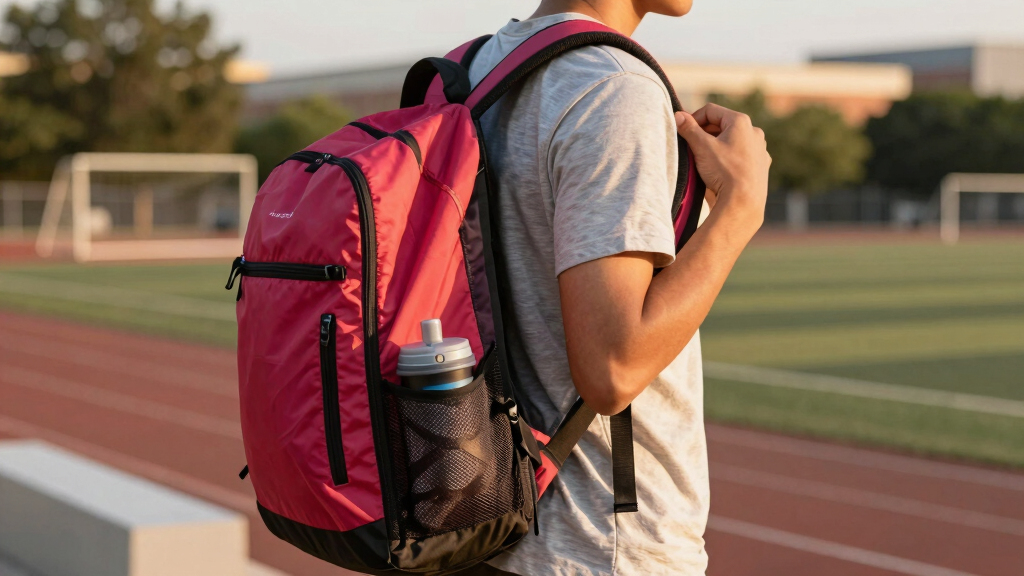
When you think ‘sports backpack,’ think durability, organization, and comfort. These bags are designed to handle sweaty gym clothes, muddy shoes, and heavy textbooks all at once. Look for sturdy materials like polyester or nylon that resist tears and spills. Need to keep your shoes separate? Ventilated compartments do the trick, letting moisture and odors escape.
Imagine rushing from class to practice — your bag needs to be lightweight but tough enough to survive daily abuse. Features like padded straps and back panels prevent shoulder pain after a long day. For example, a student in Chicago swears by her nylon backpack with reinforced zippers that last through rain, mud, and countless trips.
Choosing the right features matters because it directly impacts your comfort and the longevity of your bag. A durable, well-organized backpack can withstand daily wear and tear, saving you money and frustration. Conversely, a flimsy bag might fall apart quickly, leaving you unprotected and scrambling for replacements—costing more in the long run and risking your belongings’ safety. The tradeoff often comes down to price versus quality; investing a bit more upfront can mean a bag that lasts multiple years, making it a smarter choice overall.
durable sports backpack for students
As an affiliate, we earn on qualifying purchases.
As an affiliate, we earn on qualifying purchases.
Top 5 Features Students Can’t Live Without
- Multiple compartments: Keeps your gym shoes away from books, preventing damage and mess. This organization feature reduces clutter, making it easier to find what you need quickly, especially during busy mornings. It also helps distribute weight evenly, which can reduce strain on your back and shoulders.
- Water-resistant fabric: Protects electronics and clothes from unexpected rain or spills. This feature is crucial because it safeguards your belongings from water damage, which can ruin textbooks, electronics, and clothing—leading to costly replacements and inconvenience. Choosing a backpack with water-resistant fabric is an investment in durability and peace of mind.
- Ergonomic straps: Prevents shoulder strain during long walks or bike rides. Proper straps distribute weight evenly across your shoulders and back, reducing fatigue and discomfort. This is especially important for students who carry heavy loads daily, as poor support can lead to long-term postural issues and pain.
- Ventilated sections: Stops sweaty odors from building up, keeping your bag fresh and your belongings odor-free. Ventilation helps prevent mold and bacteria growth inside the bag, which can cause unpleasant smells and even health issues. For active students, this feature enhances overall hygiene and comfort.
- Reflective details: Boosts safety during early mornings or evening runs. Reflective accents increase visibility to drivers and others, reducing the risk of accidents. For students who commute by bike or walk in low-light conditions, this feature is a simple yet essential safety upgrade. It’s a small detail that can make a big difference in keeping you safe.
Compare Popular Sports Backpack Brands — Which One Wins?
| Brand | Price Range | Key Features | Best For |
|---|---|---|---|
| Nike | $30 – $80 | Durable, stylish, lots of compartments | Fashion-forward students |
| Under Armour | $40 – $100 | Water-resistant, ergonomic straps | Active students needing tough gear |
| Adidas | $25 – $70 | Lightweight, ventilated sections | Students who carry a lot |
| Osprey | $50 – $150 | Highly durable, many compartments | Serious athletes and outdoor enthusiasts |
How to Pick the Right Size for Your Student’s Backpack
Choosing the right size is about balancing capacity and comfort. Too small, and it’s a squeeze; too big, and it’s bulky and heavy. Measure your child’s current bag and consider their daily load. For middle schoolers, 20-30 liters usually suffice; high school students might need 30-40 liters if they carry sports gear and tech.
For example, a student who bikes to school prefers a compact 20-liter bag that fits a tablet, water bottle, and a few books—nothing bulky. Remember, an oversized bag can cause back pain, while a tiny one can leave essentials behind. The right size reduces the risk of injury and discomfort by promoting proper posture and weight distribution. It also encourages organization, as a well-sized bag forces you to pack only what’s necessary, avoiding unnecessary bulk that adds strain. Keep in mind that individual needs vary based on daily activities and personal preferences; therefore, testing different sizes and considering ergonomic design features can lead to a more comfortable and health-conscious choice.
Eco-Friendly Backpacks: Are They Really Worth It?
Eco-friendly sports backpacks are made from recycled materials like plastic bottles or biodegradable fabrics. They often cost a bit more but last just as long and help the planet. A high school senior in California chose a recycled polyester bag and feels good about reducing waste, plus it looks sharp.
Choosing an eco-friendly backpack isn’t just about supporting sustainability—it often means selecting a product that’s thoughtfully designed for durability and safety. Many recycled materials are treated to resist tears and water, ensuring longevity comparable to traditional options. Furthermore, supporting sustainable brands encourages industry shifts toward greener practices, which benefits everyone in the long run. While initial costs might be slightly higher, the environmental benefits and the often comparable lifespan make them a compelling choice. The rising trend, with eco-friendly options growing 15% faster, indicates a shift in consumer values—more students want to make environmentally conscious decisions without sacrificing style or function.
Keep Your Gear Safe and Organized with Smart Features
Smart backpacks include tech-friendly features like USB charging ports and RFID-blocking pockets. They’re perfect if you carry gadgets or want extra security. Imagine charging your phone on the go without hunting for an outlet—many backpacks now have built-in ports connected to a portable power bank.
For instance, a college athlete keeps her RFID pocket secure, preventing identity theft during bus rides and crowded hallways. If you’re tech-savvy, investing in a smart backpack might be worth it. These features can significantly streamline your daily routine, reducing the need for multiple accessories and ensuring your devices stay powered and protected. However, they also add weight and complexity, which may not be necessary for all users. Consider your specific needs—if you rely heavily on gadgets or require enhanced security, these features can be game-changers. Otherwise, a simple, well-organized backpack might suffice, offering reliability without the extra cost or weight.
Conclusion
Picking the right sports backpack is about understanding what your child needs—durability, comfort, and organization matter most. A good bag isn’t just a container; it’s part of your child’s daily routine, helping them stay active and organized. Invest in quality, and they’ll thank you with every step they take.
Remember, a well-chosen backpack isn’t just about carrying gear — it’s about empowering your student to move through their day with confidence and ease. So, next time you shop, picture your kid’s smile when the bag fits perfectly, feels light, and keeps everything in its place.