
TL;DR
Sports backpacks for students must combine strong materials, smart features, and ergonomic design. Recent trends focus on eco-friendliness, tech integration, and customization, making them more versatile than ever.
Imagine carrying a backpack that feels like it was made just for your daily grind — sturdy, comfortable, and packed with smart features. That’s what a great sports backpack offers for students balancing school and sports. It’s more than just a bag; it’s a tool to keep your gear organized, protected, and ready to go.
In this guide, you’ll learn what to look for in a sports backpack, recent innovations that are changing the game, and how to pick one that fits your style and needs. Whether you’re a parent shopping for your kid or a student upgrading your gear, understanding these essentials makes the decision easier.
Prioritize ergonomic design with padded straps and adjustable features to prevent back strain.
Choose a water-resistant or waterproof backpack to protect your gear from rain and spills.
Look for multiple compartments and smart features like ventilated shoe pockets for better organization.
Eco-friendly options are growing, with recycled fabrics and sustainable materials becoming more common.
Customization options allow students to express their style while enjoying modern features like USB ports.
What Features Make a Sports Backpack Perfect for Students?
When selecting a sports backpack for students, focus on features that blend durability, convenience, and comfort. Think of it as a multi-tool for your daily routine. You want a bag that can handle heavy loads, keep your gear organized, and feel good on your shoulders.
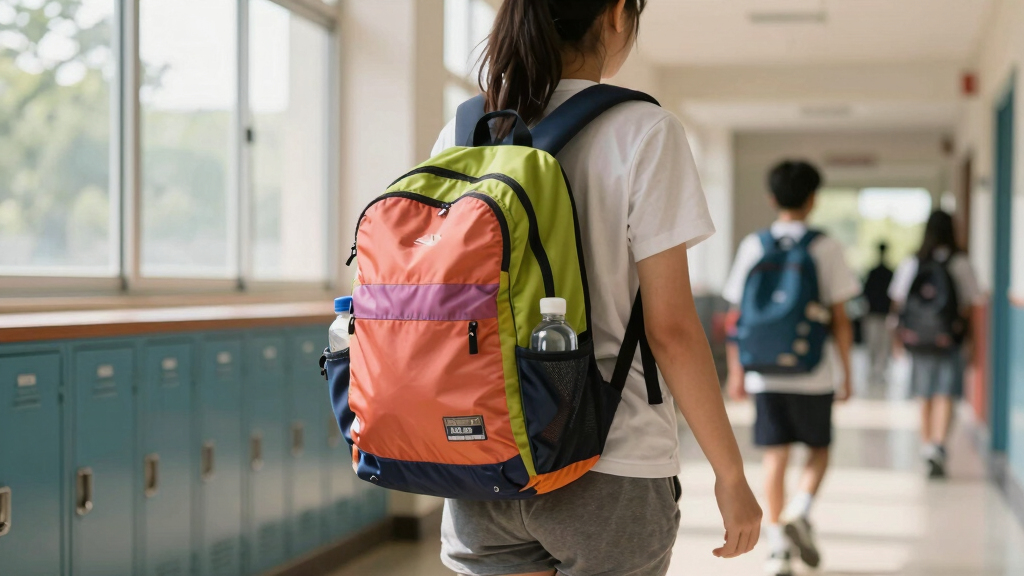
For example, a student heading to soccer practice might pack shoes, a water bottle, and notebooks. The right backpack should have multiple compartments, a ventilated shoe pocket, and padded straps. These features are not just about convenience—they directly impact your experience. Multiple compartments allow for better organization, reducing the time spent searching for items and decreasing the risk of damaging fragile gear. Ventilated shoe pockets prevent odor buildup and keep other items clean, which is especially important when dealing with muddy or sweaty shoes. Padded straps and adjustable panels are essential for distributing weight evenly, minimizing strain, and preventing injuries, especially if you carry your bag for long periods. Durable materials like polyester or nylon resist tearing and water damage, ensuring your bag can withstand daily wear and unpredictable weather conditions. Extra safety features like reflective strips are vital for visibility during early morning or late evening commutes, reducing the risk of accidents. Ultimately, these features combine to create a backpack that supports your active lifestyle, protects your gear, and keeps you comfortable throughout the day.
water-resistant sports backpack for students
As an affiliate, we earn on qualifying purchases.
As an affiliate, we earn on qualifying purchases.
Compare Top Features of Popular Sports Backpack Brands
| Feature | Nike | Adidas | Under Armour | JanSport |
|---|---|---|---|---|
| Material | Polyester, water-resistant | Recycled fabrics, durable nylon | Lightweight, tear-resistant | Canvas, classic design |
| Design | Trendy, sleek | Sporty with bold colors | Functional, ergonomic | Timeless, customizable |
| Smart Features | USB ports, reflective strips | Ventilated shoe compartment | RFID pockets, hydration sleeves | Multiple compartments, padded straps |
| Price Range | $50-$120 | $40-$110 | $60-$130 | $30-$70 |
This comparison shows how brands prioritize features like water resistance, comfort, and tech integration, helping you match your needs with a trusted name. Understanding these differences is crucial because each feature caters to specific needs—whether it’s durability for outdoor activities, tech features for convenience, or design for style. Selecting the right brand and features involves weighing what matters most for your daily routine and recognizing that trade-offs may exist. For example, a backpack with high-tech features might be more expensive and slightly heavier, but offers added convenience. Conversely, a simpler design might be lighter and more affordable but lack some safety or organizational features. Knowing these distinctions helps you make an informed choice aligned with your priorities.
How Recent Trends Are Making Sports Backpacks Better Than Ever
Sports backpacks for students are evolving fast. Eco-friendly materials top the list, with brands using recycled polyester and organic fabrics. Imagine a bag made partly from plastic bottles — that’s both durable and kinder to the planet. These sustainable choices are important because they reduce environmental impact, making your purchase more responsible. However, they often require careful sourcing and manufacturing processes to ensure quality and durability, which can sometimes lead to higher costs or limited designs. Smart tech features are also taking center stage. Some backpacks include built-in USB ports for charging devices or RFID-blocking pockets to shield your cards from theft. Lightweight, compact designs now pack more punch without weighing you down—this shift towards minimalism doesn’t mean sacrificing functionality but rather optimizing space and weight for ease of use. Plus, customization is huge. Students can add patches, embroidery, or modular components to make their backpacks uniquely theirs. This personalization not only reflects individual style but also enhances emotional attachment, encouraging better care of the bag. These trends collectively aim to improve user experience by combining sustainability, convenience, and self-expression, ultimately making sports backpacks more aligned with modern values and lifestyles.
How to Pick the Right Sports Backpack for Your Needs in 3 Easy Steps
- Assess what you carry daily. Do you need space for shoes, a water bottle, or a laptop? Make a list. Understanding your daily load helps determine the size and features you need. Overestimating can lead to unnecessary weight, while underestimating might result in a cramped bag that damages your gear or causes discomfort. Consider future needs too—will your requirements change over time?
- Check for comfort. Padded straps, adjustable panels, and breathable back panels make a difference. Comfort isn’t just about padding; it’s about proper weight distribution and airflow to prevent sweating and strain. A poorly designed backpack can cause shoulder pain, back discomfort, or even long-term posture issues. Trying the bag on and adjusting straps before purchase helps ensure it fits your body type and daily routine.
- Match your style and budget. Do you prefer bold colors or subtle tones? Can you splurge or need a budget pick? Style influences how often you’ll want to use the bag and how your peers perceive you. Budget considerations are important because investing in a quality backpack can save money in the long run, as cheaper options often wear out faster or lack essential features. Balancing these factors ensures you choose a backpack that supports your lifestyle without compromising on quality or personal expression.
For example, a student who plays basketball might prioritize a bag with a ventilated shoe compartment and reflective details for safety. A tech-savvy student may look for a bag with a built-in charging port and sleek design. The key is to weigh your specific needs against the features offered, understanding that the best choice balances function, comfort, and style.
Remember: a good backpack isn’t just about looks. It’s about supporting your daily routine, protecting your gear, and feeling comfortable all day long.
The Do’s and Don’ts of Choosing a Sports Backpack
- Do prioritize ergonomic design with padded straps and adjustable features. This reduces the risk of strain and injury, especially if you carry heavy loads regularly. Ergonomic features also improve overall comfort, making it easier to carry your gear for longer periods.
- Do look for water-resistant or waterproof materials to protect your gear from rain and spills. This choice can extend the lifespan of your backpack and prevent damage to electronics, books, and clothing. However, keep in mind that fully waterproof bags may be heavier or more expensive, so assess your environment and needs accordingly.
- Do consider your daily load and choose a size that fits comfortably. An oversized bag can cause strain, while a too-small one might damage your gear or be inconvenient. Proper sizing ensures the weight is evenly distributed and your back remains healthy.
- Don’t choose a backpack that’s too small or too large — it’ll strain your back or feel awkward. Overloading a small bag can cause discomfort and damage, while an oversized bag can lead to poor posture and fatigue.
- Don’t ignore safety features like reflective strips or sturdy zippers. Safety features are crucial for visibility and security, especially during early mornings or late evenings. Neglecting these can increase risks related to accidents or theft.
- Don’t forget to think about style — your bag should reflect your personality, not just your needs. A stylish backpack boosts confidence and encourages regular use, which helps you stay organized and prepared. Balancing style with function ensures you enjoy your bag daily.
For instance, a student overwhelmed by a bulky, unorganized bag might switch to one with multiple compartments, reducing stress and improving efficiency. The right combination of features and design makes a significant difference in daily usability.
Frequently Asked Questions
What features should I look for in a sports backpack for my child?
Prioritize padded straps, multiple compartments, water resistance, and safety features like reflective strips. Make sure it fits your child’s size and daily needs, whether for school, sports, or both.
Are waterproof backpacks necessary for students?
While not essential for every student, water-resistant backpacks protect gear from rain and spills. If your child commutes outdoors or lives in a rainy climate, it’s a smart choice.
How do I choose a backpack that fits my child’s size and needs?
Measure your child’s torso and compare it with backpack dimensions. Look for adjustable straps and a size that doesn’t sit too low or high on their back. Consider what they carry daily to find the right capacity.
What are the best brands for durable and stylish sports backpacks?
Brands like Nike, Adidas, Under Armour, and JanSport consistently deliver on durability and style, offering a range of features tailored for students’ active lifestyles.
Are there eco-friendly options available?
Yes, many brands now use recycled fabrics and sustainable materials. Look for labels or descriptions emphasizing eco-conscious manufacturing for greener choices.
Conclusion
Choosing a sports backpack isn’t just about style; it’s about making your daily routine smoother and safer. Think of it as a trusted partner that carries your world — from textbooks to sneakers.
Focus on features that support comfort, durability, and safety. Your perfect backpack is out there — ready to match your energy and style every day.