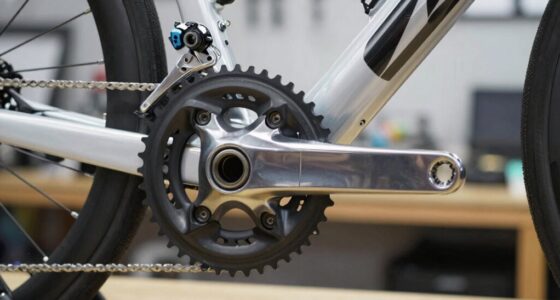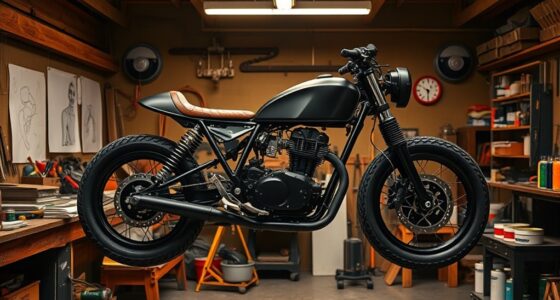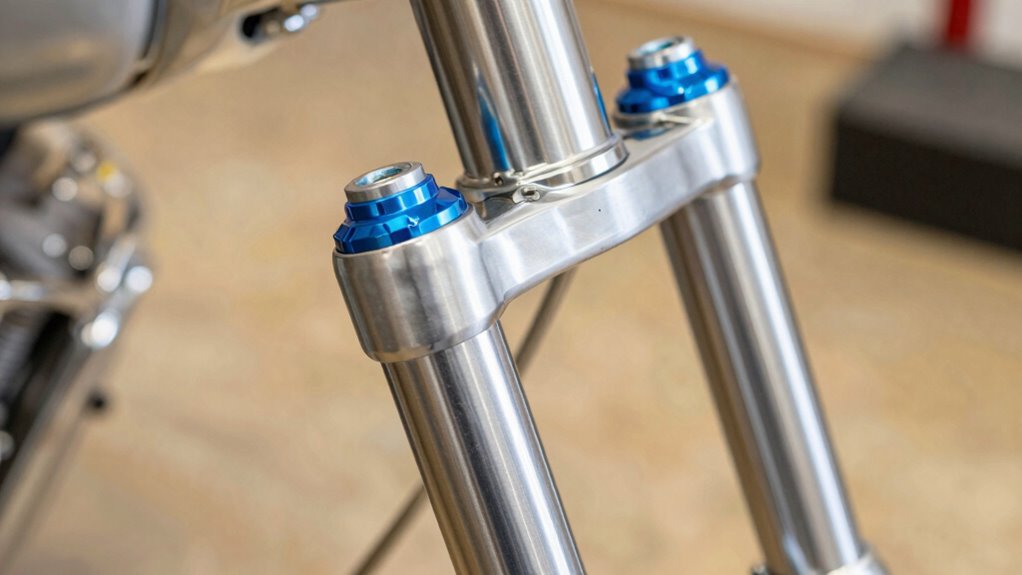
Starting your custom bike build with the wrong fork can cause major issues, from compatibility problems to performance drops. Not all forks fit all frames, and errors in size, geometry, or axle standards can lead to costly replacements or safety risks. Choosing an incompatible fork can also affect handling, stability, and overall ride quality. It’s a common mistake that can set your project back. Keep going, and you’ll discover how to avoid this costly error before you begin.

Get sports gear delivered free with Prime
- Fast, free delivery on millions of items
- Prime Video, Amazon Music and more included
- Member-only deals all year
Key Takeaways
- Choosing an incompatible fork can prevent proper fitting and alignment during the build process.
- Using the wrong fork size or geometry can negatively impact bike handling and safety.
- Mismatched components like axle standards or brake compatibility can cause installation delays.
- An unsuitable fork may compromise overall bike performance, leading to a less responsive ride.
- Starting with an incorrect fork increases long-term costs and safety risks due to necessary replacements.
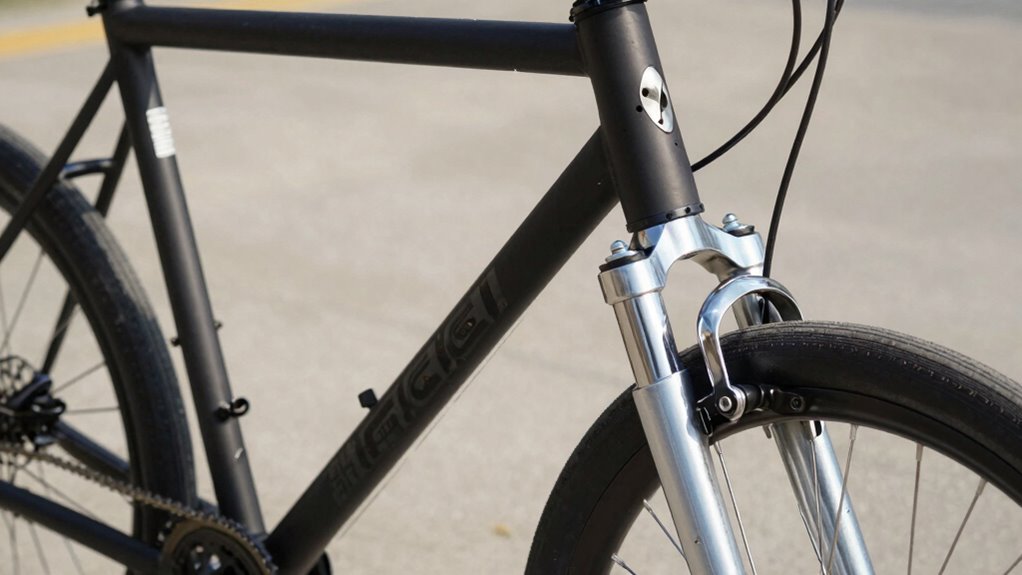
Have you ever thought that custom building your PC might be simpler than it actually is? Well, the same idea applies to bike building. One of the biggest mistakes you can make early on is choosing the wrong fork, and that mistake can ripple through your entire build. It might seem like a small component, but if you don’t pay attention to bike frame compatibility and component sizing considerations, it can cause serious headaches down the line.
Choosing the wrong fork can derail your entire bike build; attention to compatibility and sizing is crucial for smooth riding.
When you pick a fork, it’s vital to consider your bike’s frame design and geometry. Not all forks fit all frames, so understanding your bike’s compatibility is key. For example, a certain fork might be ideal in terms of suspension travel or brake compatibility, but if it doesn’t match your frame’s steer tube diameter or axle type, it’s useless. Ignoring these details can lead to a situation where your fork simply won’t fit, requiring you to start over and buy a new one. That’s both costly and frustrating.
Component sizing considerations are equally important. The length and offset of the fork directly affect your bike’s handling and stability. If you choose a fork that’s too long or too short, you’ll alter the bike’s geometry, which can make riding uncomfortable or unsafe. For instance, a fork with the wrong length can cause your front end to feel sluggish or twitchy, impacting your control and ride quality. Additionally, if the axle standards don’t match your wheel hub, you might find yourself unable to mount your wheels properly. It’s essential to measure and double-check specifications for all components involved.
Choosing a fork that doesn’t match your bike’s intended use or terrain can also negatively impact your riding experience, especially if you’re aiming for a lightweight and performance-oriented build. Proper component compatibility is crucial for ensuring your bike performs optimally and remains safe to ride. The weight and material of the fork are also important considerations. A heavier, poorly suited fork can negate the benefits of a well-planned build, especially if you’re aiming for a lightweight, performance-oriented bike. The wrong fork can also interfere with your brake system—different forks support different brake types, whether disc or rim brakes—so ensuring compatibility here saves you from future upgrades or modifications. Being aware of these component standards can help prevent mismatches that cause delays or additional expenses.
In essence, starting your build with the wrong fork can set you back considerably. It’s not just about picking something that looks good or fits your budget; it’s about understanding your bike frame’s compatibility and component sizing considerations. Take the time to research and verify every detail. Doing so ensures your build will come together smoothly and perform as you expect, saving you time, money, and frustration in the long run.
mountain bike fork compatibility
As an affiliate, we earn on qualifying purchases.
As an affiliate, we earn on qualifying purchases.
Frequently Asked Questions
How Do I Identify the Correct Fork for My Build?
To identify the correct fork for your build, first check its compatibility with your bike’s frame and wheel size. Consider your riding style to determine the right suspension tuning and travel. Look up manufacturer specifications and consult your bike’s manual. You can also visit a local shop or online forums for advice. Ensuring the fork matches your bike’s geometry and suspension needs helps prevent mishaps and improves overall performance.
Can Switching Forks Improve Overall Bike Performance?
Switching forks can definitely give your bike a performance boost, but only if you consider suspension tuning and frame compatibility. Think of it like tuning a fine instrument—if the fork doesn’t match your frame’s geometry and suspension needs, you won’t hit the right note. Upgrading the right fork improves handling, comfort, and responsiveness, turning your ride into a smoother, more controlled experience. Just make sure it fits and aligns with your bike’s setup.
What Are Common Signs of Using the Wrong Fork?
Using the wrong fork often results in poor fork compatibility, causing your bike to feel unstable or unresponsive. You might notice a rough ride, excessive bouncing, or uneven suspension tuning. If your suspension doesn’t feel smooth or if handling feels off, it’s a sign you’ve got the wrong fork. Always check compatibility and fine-tune your suspension to match your riding style for peak performance and comfort.
How Much Does Replacing a Fork Typically Cost?
Replacing a fork usually costs between $500 and $1,200, depending on your bike’s make and model. The price includes suspension tuning and fork maintenance, which are essential for peak performance. If you opt for high-end components or professional installation, expect costs to rise. Regular fork maintenance can extend its lifespan, but if the fork is damaged or incompatible, replacement becomes necessary to guarantee safety and smooth riding.
Are There Specific Brands Recommended for Custom Builds?
Choosing brands for custom builds is like picking ingredients for a gourmet dish—you want the best fit. For your bike, prioritize brands known for bike frame compatibility and suspension travel options, like Fox, RockShox, or Marzocchi. These brands offer reliable quality and a range of options to match your riding style. Always double-check compatibility to guarantee your new fork integrates seamlessly with your frame and suspension needs.
Conclusion
Just like choosing the wrong fork at a dinner party can lead to a messy plate, starting a custom build with the wrong components can cause chaos down the line. I once saw a builder who began with a flashy frame, only to realize later it didn’t fit his parts, wasting time and money. Remember, the right initial choice sets the tone for a smooth build. Get it right from the start, and your project will turn out just as you envisioned.
Halloween Picks
halloween
As an affiliate, we earn on qualifying purchases.