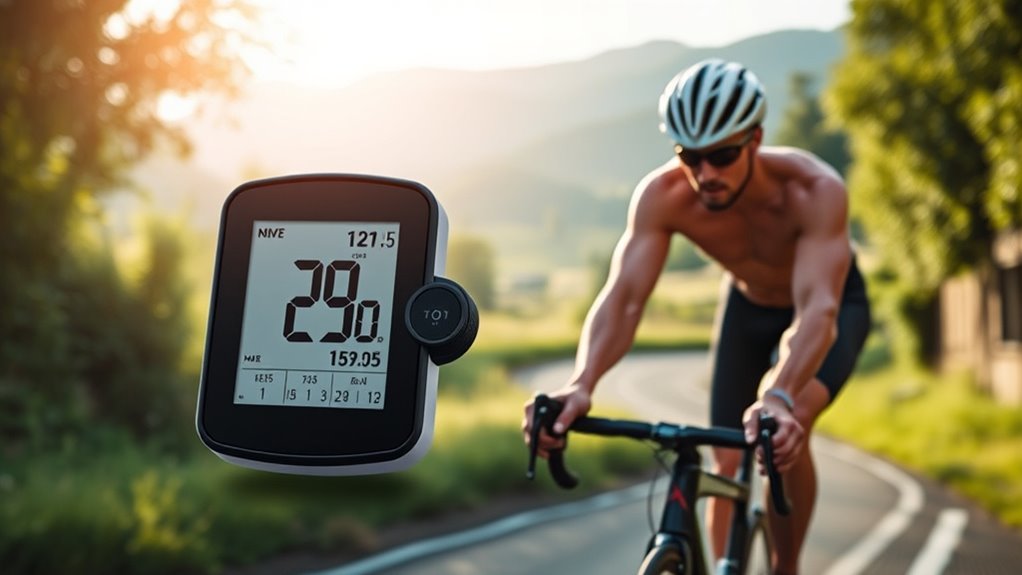
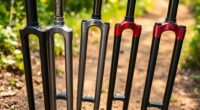
Power meters for cyclists are essential tools for anyone serious about improving performance and tracking training progress. The Garmin Rally RS110 stands out as the best overall choice, thanks to its reliable single-sensing design and seamless compatibility. The Favero Assioma Uno offers an excellent entry point for budget-conscious riders, while the GEOID PM500 impresses with its precision and durability. Choosing the right power meter involves balancing accuracy, ease of use, build quality, and price. Continue reading to explore the full lineup and find the best fit for your cycling goals.

Get sports gear delivered free — and shop member deals
- Fast, free delivery on millions of items
- Access to Prime Big Deal Days deals on October 6–7
- Prime Video, Amazon Music and more included
Complete the kit


Key Takeaways
- Dual-sensing pedals generally provide more comprehensive data but tend to be more expensive than single-sensing options.
- Crankset-based power meters often deliver higher accuracy and durability, especially for dedicated riders.
- Compatibility with bike types and cycling computers is crucial to ensure seamless integration and data collection.
- Waterproofing and battery life are often overlooked but essential for long-term reliability in varied riding conditions.
- Budget options can be surprisingly accurate, but they may lack advanced features found in premium models.
| Garmin Rally RS110 Single-Sensing Power Meter, Shimano SPD-SL |  | Best for Road Cyclists Who Value Simplicity and Long Battery Life | Compatibility: Shimano SPD-SL | Power Measurement: Single-sensing | Accuracy: +/- 1% | VIEW ON AMAZON | See Our Full Breakdown |
| Favero Assioma Uno Power Meter Pedal |  | Best for Cyclists Who Need Long Battery Life and Easy Compatibility | Battery Life: 50 hours | Connectivity: Bluetooth, ANT+ | Available in: Single (UNO) or dual (DUO) | VIEW ON AMAZON | See Our Full Breakdown |
| ThinkRider PP5 Spider Power Meter & Crankset, Carbon/Aluminum Options, 110 BCD 4-Bolt, BLE & ANT+, Lightweight, Road-24, 160-172.5mm, Road Bike Use |  | Best for Road Riders Needing Dual-Sided Power and Custom Compatibility | Compatibility: Easton 110 BCD 4-bolt | Power Measurement: Dual-sided | Accuracy: +/- 1% | VIEW ON AMAZON | See Our Full Breakdown |
| Garmin Rally RK210 Dual-Sensing Power Meter for Cyclists with Cycling Dynamics |  | Best for Cyclists Who Want Cycling Dynamics and Compatibility with Look KEO Cleats | Compatibility: LOOK KEO | Power Measurement: Dual sensing with cycling dynamics | Accuracy: +/- 1% | VIEW ON AMAZON | See Our Full Breakdown |
| GEOID PM500 Bike Power Meter Crankset, ±1.5% Accuracy, Lightweight 680g, 300h Battery Life, 110BCD, Bluetooth & ANT+, IPX7 Waterproof, 165mm |  | Best for Riders Wanting a Crankset Power Meter with Long Battery Life and Broad Compatibility | Weight: 680g | Battery Life: 300 hours | Accuracy: ±1.5% | VIEW ON AMAZON | See Our Full Breakdown |
| Favero Assioma Duo Power Meter Pedal |  | Best Overall for Dual-Sided Accuracy and Reliability | Dual-sided measurement: Yes | Battery life: 50 hours | Connectivity: Bluetooth, ANT+ | VIEW ON AMAZON | See Our Full Breakdown |
| Favero Assioma PRO RS-2 Dual-Sensing Pedal-Based Road Cycling Power Meter |  | Best for Long Battery Life and Modular Setup | Compatibility: SPD-SL, Shimano SM-SH10/11/12 | Battery life: 160 hours | Accuracy: ±1% | VIEW ON AMAZON | See Our Full Breakdown |
| GEOID PM500 Bike Power Meter Crankset, ±1.5% Accuracy, Lightweight 680g, 300h Battery, Bluetooth & ANT+ Waterproof for Road Bikes 172.5mm | | Best for Precision and Durability in Various Conditions | Accuracy: ±1.5% | Weight: 680g | Battery life: 300 hours | VIEW ON AMAZON | See Our Full Breakdown |
| Favero Assioma Duo Pedal Based Cycling Power Meter with Extra Cleats and Wearable4U Cleaning Cloth Bundle |  | Best for Pedal-Based Data and Easy Transfer | Sensor location: Left pedal | Battery life: Up to 50 hours | Includes: Extra cleats, cleaning cloth | VIEW ON AMAZON | See Our Full Breakdown |
| Favero Assioma Uno Pedal-Based Cycling Power Meter with Extra Cleats and Cleaning Cloth Bundle |  | Best for Budget-Conscious Cyclists Needing Left-Side Data | Sensor location: Left pedal | Battery life: Up to 50 hours | Includes: Extra cleats, cleaning cloth | VIEW ON AMAZON | See Our Full Breakdown |
| Favero Assioma PRO MX-1 Single Sided Power Meter Pedals |  | Best Overall for Versatile Power Measurement | Power Measurement: Single-sided | Compatibility: Standard pedal systems | Performance: Long-lasting, durable | VIEW ON AMAZON | See Our Full Breakdown |
| Favero Assioma PRO RS-1 Single-Sensing Side Pedal Power Meter for Road Cycling |  | Best for Road Cyclists Needing High Accuracy and Modularity | Compatibility: SPD-SL | Power measurement: Single-sensing side | Connectivity: Bluetooth, ANT+ | VIEW ON AMAZON | See Our Full Breakdown |
| Garmin Rally RK110 Single-Sensing Power Meter for Cyclists | | Best for Garmin Ecosystem Users Focused on Road Cycling | Compatibility: LOOK KEO cleats | Power Measurement: Single-sensing | Accuracy: +/- 1% | VIEW ON AMAZON | See Our Full Breakdown |
| Magene PES P505/P515 Power Meter Crankset – ±1% Accuracy, 625g Lightweight |  | Best for Lightweight Performance and Full Crank-Based Power Data | Accuracy: ±1% | Weight: 625g | Battery Life: 380H | VIEW ON AMAZON | See Our Full Breakdown |
| power meters for cyclist | Compatibility | Battery Life | Accuracy | Connectivity |
|---|---|---|---|---|
| Garmin Rally RS110 Single-Sens | Shimano SPD-SL | Up to 90 hours | +/- 1% | — |
| Favero Assioma Uno Power Meter | Most road bike cranksets | 50 hours | — | Bluetooth, ANT+ |
| ThinkRider PP5 Spider Power Me | Easton 110 BCD 4-bolt | Up to 300 hours | +/- 1% | BLE & ANT+ |
| Garmin Rally RK210 Dual-Sensin | LOOK KEO | Up to 90 hours | +/- 1% | — |
| GEOID PM500 Bike Power Meter C | 110BCD chainrings, Shimano 12-speed | 300 hours | ±1.5% | Bluetooth & ANT+ |
| Favero Assioma Duo Power Meter | — | 50 hours | — | Bluetooth, ANT+ |
| Favero Assioma PRO RS-2 Dual-S | SPD-SL, Shimano SM-SH10/11/12 | 160 hours | ±1% | Bluetooth, ANT+ |
| GEOID PM500 Bike Power Meter C | 110 BCD 4-bolt chainrings, Shimano 12-speed | 300 hours | ±1.5% | Bluetooth & ANT+ |
| Favero Assioma Duo Pedal Based | Bike pedals | Up to 50 hours | — | — |
| Favero Assioma Uno Pedal-Based | Bike pedals | Up to 50 hours | — | — |
| Favero Assioma PRO MX-1 Single | Standard pedal systems | — | — | — |
| Favero Assioma PRO RS-1 Single | SPD-SL | — | ±1% | Bluetooth, ANT+ |
| Garmin Rally RK110 Single-Sens | LOOK KEO cleats | Up to 90 hours | +/- 1% | — |
| Magene PES P505/P515 Power Met | — | 380H | ±1% | ANT+/Bluetooth |
More Details on Our Top Picks
Garmin Rally RS110 Single-Sensing Power Meter, Shimano SPD-SL
The Garmin Rally RS110 stands out for its high accuracy (+/- 1%) and ease of use, making it ideal for serious road cyclists who prioritize reliable data. Compared with the Garmin Rally RK210, the RS110 offers a simpler single-sensing setup, but it lacks the cycling dynamics features that the RK210 provides. Its removable sensor and long battery life—up to 90 hours—are significant advantages for endurance riders. However, it requires Shimano SPD-SL cleats, limiting compatibility to road cycling, and tends to be priced higher than basic pedals. The quick 15-minute charge offers convenience for frequent riders, but those seeking multi-sport or compatibility with non-Shimano pedals should look elsewhere. This pedal-based power meter is best suited for dedicated road cyclists who want straightforward, accurate metrics without extra features.
Pros:- High accuracy of +/- 1% for precise data
- Removable sensor simplifies bike swaps
- Up to 90 hours of ride time with quick charging
Cons:- Requires Shimano SPD-SL cleats, limiting versatility
- Limited to road cycling applications
- Higher cost compared to basic pedals
Best for: Road cyclists who want a highly accurate, reliable power meter with long battery life and easy transfer between bikes
Not ideal for: Cyclists using non-Shimano cleats or those interested in multi-sport tracking, as it is limited to road cycling and Shimano SPD-SL compatibility
- Compatibility:Shimano SPD-SL
- Power Measurement:Single-sensing
- Accuracy:+/- 1%
- Battery Life:Up to 90 hours
- Charging Time:15 minutes for 12 hours
- Features:Pedal IQ calibration, travel mode, rechargeable
Our verdict“This pick makes the most sense for dedicated road cyclists seeking straightforward, accurate power measurement and long-lasting battery life.”
Favero Assioma Uno Power Meter Pedal
The Favero Assioma Uno provides a compelling balance of long battery life—up to 50 hours—and straightforward installation, making it ideal for cyclists who want reliable power data without complicated setup. Compared with the Garmin Rally RS110, the Assioma Uno is slightly less precise (+/- 1.5%), but it offers broader compatibility across different bike setups and is compatible with both Android and iOS devices via Bluetooth and ANT+. Its ease of use and ability to be installed on most road bikes make it a versatile choice. However, it’s limited solely to cycling and requires regular charging for extended rides, which could be inconvenient for some riders. The price is not specified but is generally competitive with premium pedals. This pedal-based power meter is best suited for cyclists seeking long-lasting, easy-to-integrate power data on various bikes.
Pros:- Long battery life of 50 hours
- Easy to install and use
- Compatible with Android and iOS devices via Bluetooth and ANT+
Cons:- Limited to cycling use only
- Requires charging for extended use
- Price details are not specified
Best for: Cyclists who want a reliable, easy-to-use pedal power meter with long battery life and broad device compatibility
Not ideal for: Multi-sport athletes or those wanting advanced cycling dynamics, as it provides basic power data only
- Battery Life:50 hours
- Connectivity:Bluetooth, ANT+
- Available in:Single (UNO) or dual (DUO)
- Compatibility:Most road bike cranksets
- Measurement Accuracy:+/- 1.5%
- Installation:Pedal-based
Our verdict“Ideal for riders who prioritize long-lasting, straightforward power measurement with broad device compatibility and easy installation.”
ThinkRider PP5 Spider Power Meter & Crankset, Carbon/Aluminum Options, 110 BCD 4-Bolt, BLE & ANT+, Lightweight, Road-24, 160-172.5mm, Road Bike Use
The ThinkRider PP5 Spider Power Meter offers dual-sided measurement and extensive compatibility with 110 BCD 4-bolt cranksets, making it ideal for serious road riders seeking detailed pedaling analysis. Compared to the Favero Assioma Uno, the PP5 provides more comprehensive data including left/right balance, cadence, and waterproofing, but it supports only Easton-spec interfaces and specific cranksets, limiting flexibility. Its extraordinary battery life—up to 300 hours—reduces maintenance and downtime, which benefits long-distance riders. The setup may be complex for beginners, and it’s designed exclusively for road bikes. The premium waterproof design and dual-sided measurement make this a solid choice for performance-focused cyclists willing to handle a slightly more involved installation process. This model suits those who want in-depth data and durable build quality for road cycling.
Pros:- Accurate dual-sided measurement with cadence and pedaling analysis
- Long battery life of up to 300 hours
- Waterproof and durable construction
Cons:- Supports only Easton-spec interfaces, limiting compatibility
- Requires specific 110 BCD cranksets
- Setup may be complex for beginners
Best for: Dedicated road cyclists wanting dual-sided measurement, extensive data, and long battery life on compatible cranksets
Not ideal for: Casual riders or those using non-Easton cranksets, as it supports only specific interfaces and requires more technical setup
- Compatibility:Easton 110 BCD 4-bolt
- Power Measurement:Dual-sided
- Accuracy:+/- 1%
- Battery Life:Up to 300 hours
- Connectivity:BLE & ANT+
- Waterproof Standard:IPX7
Our verdict“Best suited for performance-oriented road cyclists who want detailed pedaling insights and durability in a dual-sided power meter.”
Garmin Rally RK210 Dual-Sensing Power Meter for Cyclists with Cycling Dynamics
The Garmin Rally RK210 combines dual-sensing power measurement with advanced cycling dynamics, making it ideal for cyclists aiming to refine their technique and performance. Compared with the Garmin Rally RS110, the RK210 offers additional insights like gyroscope data, force effectiveness, and pedal smoothness, but it comes at a higher price point. Its compatibility with LOOK KEO cleats broadens rider options, while its lightweight, durable carbon pedal body enhances ride quality. The sensor’s quick recharge and long ride time—up to 90 hours—are practical for frequent training. However, full cycling dynamics data requires compatible Garmin cycling computers or smartwatches, which adds to the overall investment. This pedal is best suited for serious cyclists who want detailed, actionable performance analytics with high accuracy.
Pros:- Highly accurate power with cycling dynamics
- Removable sensor for easy bike transfers
- Long-lasting rechargeable battery with quick charge
Cons:- Requires Garmin cycling computers or smartwatches for full data
- More expensive than basic pedals
- Limited to Look KEO cleats
Best for: Cyclists seeking detailed cycling dynamics, compatible with Garmin devices, to improve pedaling efficiency and technique
Not ideal for: Casual riders or users without Garmin devices, as full data integration depends on compatible Garmin hardware
- Compatibility:LOOK KEO
- Power Measurement:Dual sensing with cycling dynamics
- Accuracy:+/- 1%
- Battery Life:Up to 90 hours
- Recharge Time:15 minutes for 12 hours
- Features:Gyroscope, force data, smart calibration
Our verdict“Best suited for performance-focused cyclists who want detailed pedaling data and advanced cycling analytics with Garmin integration.”
GEOID PM500 Bike Power Meter Crankset, ±1.5% Accuracy, Lightweight 680g, 300h Battery Life, 110BCD, Bluetooth & ANT+, IPX7 Waterproof, 165mm
Best for Riders Wanting a Crankset Power Meter with Long Battery Life and Broad Compatibility
View on AmazonThe GEOID PM500 offers a lightweight, crankset-based power measurement solution with impressive features like ±1.5% accuracy and an astounding 300 hours of battery life. Compared to pedal-based options like Favero Assioma Uno and Garmin Rally RS110, the PM500’s crankset design provides a seamless integration with Shimano 12-speed systems and standard 110 BCD chainrings, making it highly versatile. Its dual-sensor fusion enhances data reliability, while the IPX7 waterproof rating ensures durability under various riding conditions. The setup might be more complex, requiring compatibility with specific bike components, and the price is not specified but is generally aimed at more serious riders. This crankset power meter suits those who prioritize durability, long-term data, and broad compatibility.
Pros:- High accuracy with ±1.5% measurement precision
- Extremely long battery life of 300 hours
- Durable, lightweight aluminum construction
Cons:- Requires compatible bike components for installation
- Setup may be complex for less experienced users
- Price not clearly specified
Best for: Cyclists wanting a durable, high-accuracy crankset power meter with long battery life and wide compatibility for road riding
Not ideal for: Casual riders or those seeking quick, simple installs, as setup complexity may be a barrier
- Weight:680g
- Battery Life:300 hours
- Accuracy:±1.5%
- Sensor Type:Dual-sensor fusion
- Connectivity:Bluetooth & ANT+
- Waterproof Standard:IPX7
- Compatibility:110BCD chainrings, Shimano 12-speed
Our verdict“Ideal for serious cyclists seeking a durable, high-precision crankset power meter with exceptional battery life and broad compatibility.”
Favero Assioma Duo Power Meter Pedal
The Favero Assioma Duo stands out as the best overall choice for cyclists seeking precise dual-sided power measurement. Its high accuracy and reliability surpass many single-sided options like the Garmin Rally RS110, especially for riders who want detailed left/right balance. The rechargeable battery lasts up to 50 hours, which is excellent but may require frequent charging for intensive training. Its compatibility with Bluetooth and ANT+ ensures seamless integration with most cycling computers, while the built-in cadence sensor and gyroscope add smart functionality. The main tradeoff is installation complexity on pedals, and it’s limited to road cycling use, which might not suit mountain bikers or casual riders. Best for serious cyclists who prioritize accuracy and data depth. Pros include high precision, rechargeable 50-hour battery, compatibility with multiple devices, and integrated sensors. Cons involve installation requirements, potential battery variability, and road-only focus. Verdict: This pedal makes the most sense for experienced cyclists who want detailed, reliable power data and don’t mind a slightly involved setup.
- Dual-sided measurement:Yes
- Battery life:50 hours
- Connectivity:Bluetooth, ANT+
- Includes sensors:Cadence, gyroscope
- Weight:Not specified
- Application:Road cycling
Our verdict“Best Overall for Dual-Sided Accuracy and Reliability — a strong pick in this lineup.”
Favero Assioma PRO RS-2 Dual-Sensing Pedal-Based Road Cycling Power Meter
The Favero Assioma PRO RS-2 appeals to riders who need a versatile, long-lasting power meter. With a remarkable 160-hour battery life, it outperforms the Assioma Duo’s 50 hours and suits those with extended rides or training camps. Its modular design simplifies swapping between road and mountain bike setups, unlike less flexible pedals. The high ±1% accuracy with automatic temperature compensation makes it ideal for serious training. However, full functionality depends on a compatible bike computer or smartphone, and the higher price point reflects its advanced features. This pick is perfect for dedicated cyclists wanting reliable, transferable power measurement without frequent charging. Pros include exceptional battery longevity, modularity, high accuracy, and ease of transfer. Cons involve a higher cost and dependency on compatible devices. Verdict: This model is best for committed cyclists who need a durable, versatile pedal power meter with extensive runtime.
- Compatibility:SPD-SL, Shimano SM-SH10/11/12
- Battery life:160 hours
- Accuracy:±1%
- Temperature range:-10°C to 55°C
- Rechargeable:Yes
- Connectivity:Bluetooth, ANT+
Our verdict“Best for Long Battery Life and Modular Setup — a strong pick in this lineup.”
GEOID PM500 Bike Power Meter Crankset, ±1.5% Accuracy, Lightweight 680g, 300h Battery, Bluetooth & ANT+ Waterproof for Road Bikes 172.5mm
The GEOID PM500 provides a compelling option for cyclists needing high accuracy in a lightweight, durable package. Its ±1.5% accuracy with dual-sensor fusion rivals the more premium pedals like the Assioma Duo but offers a complete crankset solution. The impressive 300-hour battery life exceeds most competitors, making it suitable for long-distance or multi-day rides. Its IPX7 waterproofing and sturdy aluminum construction ensure performance in challenging weather, unlike some pedal-based meters that are less weatherproof. The setup requires compatibility with specific cranksets and may be complex for beginners, which could deter casual riders. Ideal for riders looking for a reliable, all-weather power meter with extended runtime. Pros include high accuracy, long-lasting battery, lightweight build, and broad device compatibility. Cons involve installation complexity and higher cost for non-bicycle-specific users. Verdict: This crankset power meter suits serious riders demanding durability and precision across diverse riding conditions.
- Accuracy:±1.5%
- Weight:680g
- Battery life:300 hours
- Connectivity:Bluetooth & ANT+
- Waterproof:IPX7
- Compatibility:110 BCD 4-bolt chainrings, Shimano 12-speed
Our verdict“Best for Precision and Durability in Various Conditions — a strong pick in this lineup.”
Favero Assioma Duo Pedal Based Cycling Power Meter with Extra Cleats and Wearable4U Cleaning Cloth Bundle
The Favero Assioma Duo bundle offers a practical choice for cyclists who want accurate bilateral power data with added convenience. Its dual sensors measure left/right power, providing detailed pedaling insights, unlike the Uno model that only measures left leg. The bundle includes extra cleats and a cleaning cloth, making maintenance straightforward. Installation is simple, and the pedals can be moved easily between bikes, similar to other pedal-based meters but with more comprehensive data. The main limitation is that it only measures bilateral power, not individual legs separately, which might be a drawback for those seeking complete side-specific metrics like the Assioma PRO RS-2. This is ideal for cyclists wanting reliable, easy-to-use pedals with detailed analytics. Pros include bilateral measurement, quick transfer, comprehensive bundle, and ease of installation. Cons involve limited to bilateral data and dependency on compatible pedals. Verdict: This pedal set is best for riders who prioritize bilateral power data and straightforward transferability without the need for advanced individual limb analysis.
- Sensor location:Left pedal
- Battery life:Up to 50 hours
- Includes:Extra cleats, cleaning cloth
- Compatibility:Bike pedals
- Measurement:Left/right power
- Transferability:Yes
Our verdict“Best for Pedal-Based Data and Easy Transfer — a strong pick in this lineup.”
Favero Assioma Uno Pedal-Based Cycling Power Meter with Extra Cleats and Cleaning Cloth Bundle
The Favero Assioma Uno offers a budget-friendly entry into pedal-based power measurement, focusing solely on the left leg. Compared to the Duo, it lacks bilateral data but still provides accurate pedaling analytics, making it suitable for riders primarily interested in one-sided metrics. Installation and transfer are straightforward, and the included bundle with extra cleats and cleaning cloth adds value for maintenance. Its main limitation is that it doesn’t measure right leg power independently, which could be a drawback for cyclists aiming for comprehensive data like with the Assioma Duo or PRO RS-2. Nonetheless, for those on a budget or new to power meters, it delivers reliable data in a simplified form. Best for beginners or budget-conscious riders who want accurate left-leg data. Pros include affordability, ease of transfer, and solid pedaling analytics. Cons involve unilateral measurement and limited bilateral insights. Verdict: This model is ideal for entry-level cyclists seeking dependable, simple power data without the need for bilateral metrics.
- Sensor location:Left pedal
- Battery life:Up to 50 hours
- Includes:Extra cleats, cleaning cloth
- Compatibility:Bike pedals
- Measurement:Left leg power
- Transferability:Yes
Our verdict“Best for Budget-Conscious Cyclists Needing Left-Side Data — a strong pick in this lineup.”
Favero Assioma PRO MX-1 Single Sided Power Meter Pedals
The Favero Assioma PRO MX-1 pedals stand out for delivering reliable, precise power data in a single-sided measurement, making them ideal for cyclists who want accurate feedback without the complexity of dual-sided systems like the Favero Assioma Duo. Compared with the Garmin Rally RK110 or Magene P505/P515, the MX-1’s durability and compatibility with standard pedal systems provide a seamless integration into most setups. However, since it only measures one side, it might miss out on balanced power data, which is a drawback for those seeking comprehensive pedal analysis. Its long-lasting build and ease of installation make it well-suited for riders prioritizing durability and simplicity, but the higher cost might be off-putting for budget-conscious cyclists.
Pros:- Provides accurate and consistent power data
- Easy to install and compatible with most cycling setups
- Durable design suitable for various riding conditions
Cons:- Only measures power on one side, missing bilateral balance data
- May be more expensive than entry-level pedals
Best for: Cyclists who want durable, accurate power data and are okay with single-sided measurement for everyday training or racing.
Not ideal for: Athletes seeking detailed bilateral power analysis or those on a tight budget, as this pedal is more expensive than basic models and measures only one side.
- Power Measurement:Single-sided
- Compatibility:Standard pedal systems
- Performance:Long-lasting, durable
Our verdict“This pedal offers a reliable, durable choice for riders who prioritize straightforward power measurement over bilateral analysis.”
Favero Assioma PRO RS-1 Single-Sensing Side Pedal Power Meter for Road Cycling
The Favero Assioma PRO RS-1 excels in delivering high-precision power measurement with ±1% accuracy, making it a top choice for dedicated road cyclists. Its modular design, allowing quick transfer between bikes and compatibility with both road and mountain bike setups, offers flexibility that the Garmin Rally RK110 or Magene P515 lack. The rechargeable battery lasting over 160 hours minimizes downtime, but since it only measures power on one side, it doesn’t provide bilateral insights, which limits its use for cyclists wanting a full picture of their pedaling efficiency. The connection via Bluetooth and ANT+ ensures broad device compatibility, making it suitable for serious enthusiasts who want dependable, detailed data without fuss.
Pros:- High accuracy with ±1% measurement
- Rechargeable battery with over 160 hours of use
- Modular design for easy switching between bikes
Cons:- Only measures power on the left pedal
- Requires compatible device for full data access
Best for: Road cyclists who demand high accuracy and value the ability to switch between bikes easily.
Not ideal for: Casual riders or those seeking bilateral power data, since it measures only one side and requires a compatible cycling computer or smartphone for full functionality.
- Compatibility:SPD-SL
- Power measurement:Single-sensing side
- Connectivity:Bluetooth, ANT+
- Battery:Rechargeable, 160+ hours
- Temperature Range:-10°C to 55°C
- Accuracy:±1%
Our verdict“Ideal for serious road cyclists who prioritize precision and modularity over bilateral measurement complexity.”
Garmin Rally RK110 Single-Sensing Power Meter for Cyclists
The Garmin Rally RK110 offers precise power and cadence tracking with a focus on users invested in the Garmin ecosystem. Its compatibility with LOOK KEO cleats makes it a straightforward upgrade for riders already using Garmin cycling computers, unlike the Favero or Magene options which may require additional sensors. The quick transfer between bikes and long battery life of up to 90 hours are significant advantages, but its reliance on Garmin devices for full insight can limit flexibility for those using different brands. Additionally, it measures only on one side, which might be insufficient for riders wanting bilateral analysis or detailed pedaling asymmetry data.
Pros:- Quick and easy to transfer between bikes
- Highly accurate power and cadence measurement
- Long-lasting battery with fast 15-minute charge
Cons:- Requires Garmin compatible devices for full features
- Limited to LOOK KEO cleats, restricting other pedal compatibility
Best for: Garmin users who want an easy, quick-to-install power meter for road cycling with reliable data and long battery life.
Not ideal for: Riders who prefer non-Garmin devices or need bilateral measurement, as this system is specific to Garmin’s ecosystem and only measures one side.
- Compatibility:LOOK KEO cleats
- Power Measurement:Single-sensing
- Accuracy:+/- 1%
- Battery Life:Up to 90 hours
- Charging Time:15 minutes for 12 hours
Our verdict“Best suited for Garmin users seeking a reliable, road-specific power meter with minimal fuss and long battery life.”
Magene PES P505/P515 Power Meter Crankset – ±1% Accuracy, 625g Lightweight
The Magene PES P505/P515 crankset provides an integrated power measurement solution with ±1% accuracy, appealing to cyclists who want a clean setup with a lightweight profile. Compared to pedal-based options like the Favero or Garmin, this crankset offers a more comprehensive view of power output directly from the crank, which can be advantageous for riders seeking precise pedal force analysis. Its 625g weight and IPX7 waterproof rating make it suitable for aggressive training in diverse weather conditions. However, as it requires installation on the crankset, it’s less flexible than pedal-based models and may involve more complex setup. The 110BCD design makes it compatible with many road cranks, but it might not suit those with different crank standards or seeking dual-sensing features.
Pros:- ±1% accuracy for precise data
- Lightweight at 625g
- IPX7 waterproof for all-weather riding
- Compatible with 110BCD cranksets
Cons:- Less flexible installation compared to pedal-based models
- Does not provide bilateral power data
Best for: Performance-focused riders wanting a full crank-based power meter that emphasizes lightweight design and durability.
Not ideal for: Casual cyclists or those preferring pedal-based systems, since it involves crankset installation and lacks bilateral measurement capabilities.
- Accuracy:±1%
- Weight:625g
- Battery Life:380H
- Connectivity:ANT+/Bluetooth
- Waterproof:IPX7
- Crank Compatibility:110BCD
Our verdict“Excellent for riders prioritizing lightweight, integrated power measurement from the crank with high accuracy and durability.”
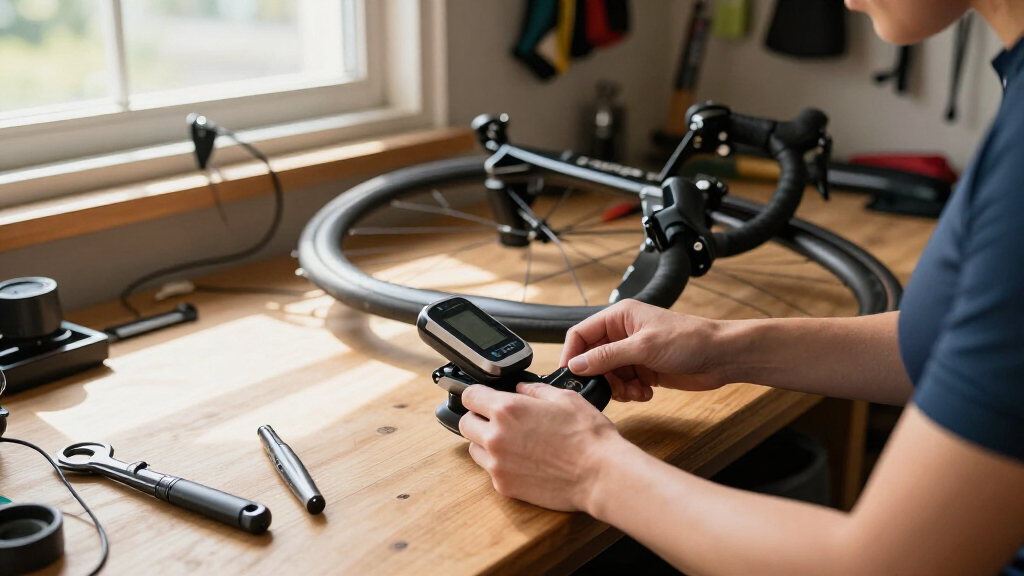
How We Picked
Our evaluation focused on key factors that matter most to cyclists: measurement accuracy, build quality, ease of installation and calibration, compatibility with different bikes and cycling computers, and long-term reliability. We also considered user-friendly features like Bluetooth and ANT+ connectivity, waterproofing, and battery life. Products were ranked based on a combination of these factors, balancing performance with value. This approach ensures the list is practical for a wide range of riders, from beginners to seasoned athletes.| power meters for cyclist | Accuracy | Connectivity |
|---|---|---|
| Garmin Rally RS110 Single-Sens | +/- 1% | — |
| Favero Assioma Uno Power Meter | — | Bluetooth, ANT+ |
| ThinkRider PP5 Spider Power Me | +/- 1% | BLE & ANT+ |
| Garmin Rally RK210 Dual-Sensin | +/- 1% | — |
| GEOID PM500 Bike Power Meter C | ±1.5% | Bluetooth & ANT+ |
| Favero Assioma Duo Power Meter | — | Bluetooth, ANT+ |
| Favero Assioma PRO RS-2 Dual-S | ±1% | Bluetooth, ANT+ |
| GEOID PM500 Bike Power Meter C | ±1.5% | Bluetooth & ANT+ |
| Favero Assioma Duo Pedal Based | — | — |
| Favero Assioma Uno Pedal-Based | — | — |
| Favero Assioma PRO MX-1 Single | — | — |
| Favero Assioma PRO RS-1 Single | ±1% | Bluetooth, ANT+ |
| Garmin Rally RK110 Single-Sens | +/- 1% | — |
| Magene PES P505/P515 Power Met | ±1% | ANT+/Bluetooth |
Factors to Consider When Choosing Power Meters For Cyclists
Choosing the right power meter involves weighing several important factors beyond just price. Understanding your riding style, bike setup, and training needs can help you select a model that offers the best balance of accuracy, durability, and ease of use. The following sections highlight the key considerations to keep in mind when making your decision.Type of Power Meter
Power meters come in various forms, including pedals, cranksets, and spider-based systems. Pedal-based models like the Favero Assioma offer easy installation and compatibility across bikes, making them ideal for riders who switch bikes frequently. Crankset options, such as the GEOID PM500, typically provide higher accuracy and are favored by serious athletes. Spider-based meters often balance durability and performance, but installation can be more complex. Your choice depends on how you prefer to set up your bike and whether you prioritize ease of swapping or maximum precision.
Accuracy and Reliability
Precision in measurement is fundamental for effective training. Most high-end models boast ±1% accuracy, but some budget options may have slightly higher margins of error. Consider how often you’ll calibrate your system and whether the device maintains consistency over time. Waterproofing and resistance to dirt and grime also influence reliability, especially for riders who train in varied weather conditions. An accurate, consistent power meter helps you track progress accurately and avoid misleading data that could hamper your training plans.
Ease of Installation and Maintenance
Some power meters are straightforward to install and swap between bikes, while others require specialized tools or professional setup. Pedal-based systems tend to be easier for DIY installation, whereas crankset-based meters might need more technical know-how. Maintenance considerations include battery life, ease of calibration, and whether components are sealed against the elements. A model that’s simple to keep calibrated and clean can save significant time and frustration over the long run.
Compatibility and Connectivity
It’s vital to verify that your power meter works seamlessly with your cycling computer, smartphone app, and other training tools. Look for models with Bluetooth and ANT+ support, which ensure broad compatibility. Compatibility with your bike’s drivetrain, such as Shimano or SRAM, also matters—especially for crankset-based meters. Ensuring compatibility upfront avoids the hassle of returning or replacing a device that won’t sync properly or fit your bike setup.
Cost and Value
High accuracy and durability usually come at a higher price, but not always. Some budget models deliver surprisingly good data quality; however, they might lack advanced features like cycling dynamics or long-lasting batteries. Consider your training goals and how much you’re willing to invest. Spending more on a premium model makes sense if you need consistent data, durability, and advanced features, while entry-level options can be suitable for casual or beginner riders.
Frequently Asked Questions
Can I switch my power meter between different bikes?
Yes, many pedal-based power meters like the Favero Assioma are designed for easy transfer between bikes, provided they are compatible with your pedal system. Crankset-based meters, however, are usually installed directly on the crank and are less portable. When switching bikes frequently, pedal-based models tend to offer the most convenience, as they can be simply removed and installed on another bike without needing recalibration or complex adjustments.
How often do I need to calibrate my power meter?
Calibration frequency varies by model and riding conditions, but most devices benefit from calibration before each ride or once every few weeks. Pedal-based meters often have automatic calibration features, while crankset models might require manual calibration via smartphone or cycling computer. Regular calibration ensures data accuracy, especially if you notice inconsistent readings or after cleaning the device. Establishing a routine calibration schedule helps maintain reliable performance over time.
Are cheaper power meters accurate enough for serious training?
Many budget-friendly power meters offer respectable accuracy, often within ±2%. While they may not match the precision of high-end models, they can still provide valuable training insights for recreational riders and those new to power-based training. Keep in mind that lower-cost options might lack features like cycling dynamics or long-term data stability. If your training is highly competitive or data accuracy is critical, investing in a more precise, higher-end model is advisable.
What is the typical lifespan of a power meter?
With proper maintenance, a quality power meter can last several years—often 3 to 5 years—before components like batteries or seals need replacement. Battery life varies; some models last hundreds of hours, while others may require more frequent charging or battery changes. Regular cleaning, calibration, and ensuring waterproofing help extend the lifespan. Investing in durable, well-sealed units reduces the need for replacements and keeps your data reliable over time.
Is it worth paying extra for cycling dynamics features?
Cycling dynamics provide detailed insights into pedal stroke, torque effectiveness, and other performance metrics, which can benefit serious athletes and those focused on technique. However, these features typically come with a higher price tag and require compatible cycling computers. For most recreational riders, basic power data is sufficient for tracking progress. If you are looking to fine-tune your technique or compete at a high level, investing in a model with cycling dynamics may be justified.
Conclusion
For casual riders and beginners, a reliable pedal-based model like the Favero Assioma Uno offers great value and ease of use. Serious cyclists and trainers aiming for maximum accuracy and durability should consider crankset-based options like the GEOID PM500 or Magene P505, which excel in precision and long-term performance. For those seeking a balance of features and affordability, the Garmin Rally RS110 is a versatile all-rounder. Ultimately, your choice depends on your riding style, budget, and training ambitions—pick the model that best aligns with your cycling journey.
NFL season / tailgating Picks
team gear
As an affiliate, we earn on qualifying purchases.