To build a bike with future upgrades in mind, start by choosing a versatile frame that can accommodate different components and upgrades. Pick compatible parts, such as drivetrain, wheels, and cockpit, that are easy to replace or upgrade later. Focus on modular options like quick-release axles and standard parts to simplify changes. Think about your riding style and future needs, ensuring your setup can handle increased demands. Keep these tips in mind to create a bike that adapts easily—there’s more to discover for smarter upgrades ahead.

Get sports gear delivered free — and shop member deals
- Fast, free delivery on millions of items
- Access to Prime Big Deal Days deals on October 6–7
- Prime Video, Amazon Music and more included
Key Takeaways
- Choose a versatile frame with compatible mounting points and sufficient clearance for future components.
- Select drivetrain and wheels that support wide gear ranges and can easily adapt to upgrades.
- Opt for modular and standardized parts, like quick-release axles and adjustable cockpit components.
- Plan for your riding style and future demands, leaving room for upgrades like suspension or tires.
- Verify component compatibility during build and prioritize adaptable parts to facilitate smooth future enhancements.

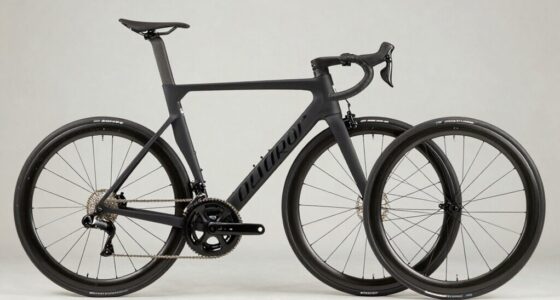
Building a bike with future upgrades in mind means planning ahead to guarantee your ride can evolve with your needs and preferences. The foundation of this planning starts with choosing the right bike frame. Your frame sets the tone for everything else, so pick one that’s versatile enough to accommodate upgrades down the line. Think about factors like material, geometry, and mounting points, which influence compatibility with future components. For example, if you’re thinking about upgrading to a more advanced fork, make sure your frame has the necessary fork mounts and clearance. Similarly, if you plan to switch to a different drivetrain later, verify your frame is compatible with multiple gear systems, be it 1x or 2x setups. Paying attention to these details now saves you time and money in the future.
Component compatibility is equally vital. As you build your bike, choose parts that can easily integrate with future upgrades. For example, selecting a drivetrain with a wide gear range or a compatible rear derailleur ensures smoother transitions when you decide to upgrade. When picking wheels, verify they match your hub spacing and brake system, whether disc or rim brakes, so swapping parts later won’t be a hassle. Don’t forget about your cockpit components, like handlebars, stems, and seats—opt for adjustable or modular options that can be swapped out or upgraded without needing a complete overhaul of your setup. Keeping these components compatible with potential future parts streamlines upgrades and maintains the bike’s overall performance.
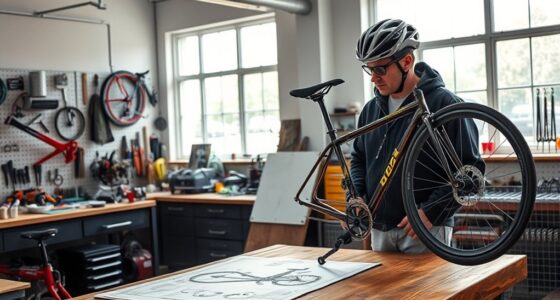
Another aspect to foster is modularity. Choose a bike with easily replaceable parts, such as a standard headset or quick-release axles. These make it easier to upgrade components over time without needing specialized tools or extensive modifications. Additionally, think about your riding style and how your needs might change. If you plan to get more aggressive or do longer rides, select a frame and parts that can handle those demands, but also leave room for upgrades like better suspension or tires. This forward-thinking approach means you won’t have to start from scratch when your riding evolves. [Considering component compatibility] during the build process ensures smoother upgrades and a more adaptable bike in the long run.
versatile bike frame for future upgrades
As an affiliate, we earn on qualifying purchases.
As an affiliate, we earn on qualifying purchases.
Frequently Asked Questions
What Tools Are Essential for Future Bike Upgrades?
For future bike upgrades and customization, you’ll want essential tools like a multi-tool, Allen wrenches, screwdrivers, and a bike pump. These allow you to easily swap out components and stay on top of the latest upgrade trends. A chain tool and cable cutters are also handy for more advanced modifications. Having these tools ready keeps your bike versatile and makes sure you can adapt your ride as new upgrade options become available.
How Do I Choose Compatible Components for Upgrades?
You choose compatible components by checking their specifications and guaranteeing they match your bike’s frame and existing parts. During upgrade planning, consider component compatibility, such as matching the drivetrain, brake system, and wheel size. Research compatibility charts and consult bike shop experts to avoid mismatched parts. Prioritize upgrades that align with your riding goals, and always verify compatibility before purchasing to secure smooth integration and ideal performance.
What Budget Should I Allocate for Future Modifications?
You should allocate a flexible budget of around 15-20% of your bike’s initial cost for future modifications. Start with budget planning that prioritizes upgrades based on your riding style and goals, focusing on essential components first. By doing so, you guarantee you’re prepared for upgrades without overspending, and you can make informed decisions about when and what to upgrade, keeping your bike evolving smoothly over time.
How Can I Ensure Safety With Upgraded Parts?
To guarantee safety with upgraded parts, always wear proper safety gear like a helmet, gloves, and reflective clothing. Regularly check your braking systems to make sure they’re responsive and effective, especially after upgrades. Test your bike in controlled environments before hitting busy roads. Stay vigilant, maintain your bike diligently, and follow manufacturer instructions for all new components. These steps help keep you safe and maximize your bike’s performance.
What Is the Recommended Maintenance Schedule After Upgrades?
After upgrading your bike, you should follow a regular maintenance schedule. Keep your bike clean by wiping down the frame and components weekly, which helps spot issues early. Check your tire pressure before every ride to guarantee peak performance and safety. Additionally, inspect brakes and gears monthly, lubricate moving parts, and tighten bolts as needed. These steps help maintain your upgraded bike’s performance and extend its lifespan.
Conclusion
Building your bike with future upgrades in mind is like planting a versatile garden—you set the foundation today, but with the right care and attention, it can flourish into something even greater tomorrow. By choosing adaptable components and thoughtful design, you guarantee your bike can evolve with your needs and preferences. Think of it as crafting a sturdy tree—your ride will grow stronger and more customized over time, supporting every adventure that lies ahead.
NFL season / tailgating Picks
team gear
As an affiliate, we earn on qualifying purchases.