
Understanding your heart rate variability (HRV) helps you gauge how well your body is recovering and adapting to training. Higher HRV signals readiness for demanding rides, while a drop suggests overexertion. Monitoring HRV can guide you in adjusting workouts, optimizing sleep, and improving nutrition, ensuring better performance and reduced risk of burnout. Keep tracking your HRV, and you’ll discover more ways to elevate your cycling and stay in top shape.
Key Takeaways
- HRV indicates your body’s readiness and recovery, helping riders optimize training intensity and prevent overtraining.
- Monitoring HRV reveals how well your autonomic nervous system is balancing stress and recovery.
- Declining HRV after rides suggests overexertion, signaling the need for rest or lighter sessions.
- Consistent HRV tracking guides personalized nutrition, sleep, and hydration strategies to enhance performance.
- High HRV levels are associated with better endurance, focus, and faster recovery for riders.
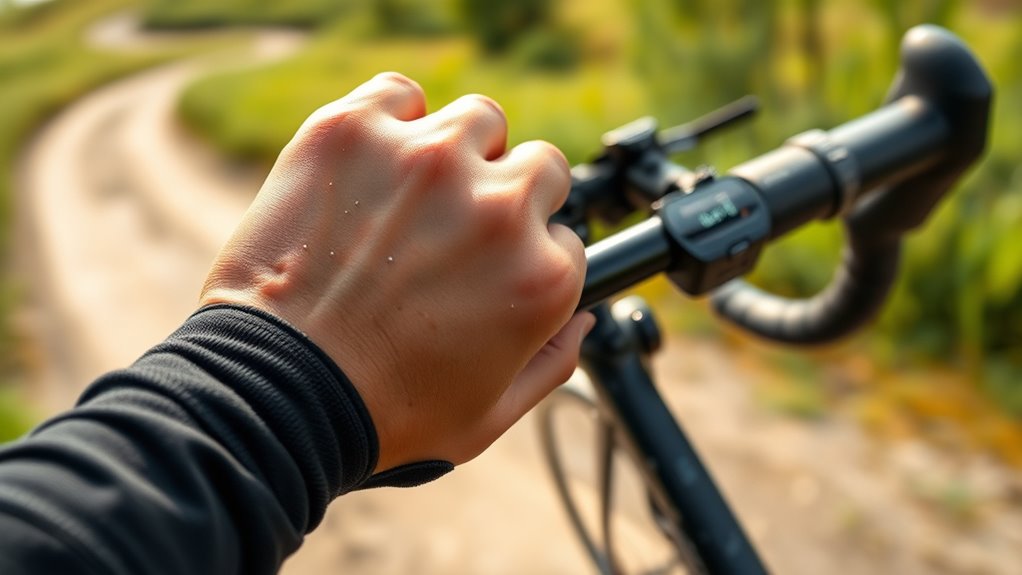
Ever wondered how your body responds to the physical and mental demands of riding? Understanding your heart rate variability (HRV) can give you valuable insights into how well you’re adapting to your training and recovery. HRV measures the variation in time between each heartbeat, reflecting your autonomic nervous system’s balance. When you pay attention to this data, you can tailor your training techniques to maximize performance and avoid overtraining. For riders, maintaining a healthy HRV means better focus, faster recovery, and improved endurance.
Understanding HRV helps riders optimize training, recovery, and endurance for smarter, safer performance.
To make the most of HRV, you need to understand how your body reacts to different stimuli. Training techniques play a vital role here. If you notice your HRV declining after intense rides or workouts, it’s a sign you might be pushing too hard. Incorporating strategic rest days or lighter sessions can help your body recover more effectively. Conversely, if your HRV remains high, it indicates you’re well-rested and ready to tackle more demanding rides. Adjusting your training based on HRV data allows you to avoid burnout while maximizing gains. This personalized approach helps you identify the right balance between exertion and recovery, making your training more efficient. Additionally, understanding the role of sleep in recovery can further optimize your HRV and overall performance.
Nutrition strategies also greatly influence your HRV. Proper fueling before, during, and after rides ensures your body has the nutrients it needs to perform and recover. Consuming a balanced diet rich in electrolytes, healthy fats, proteins, and complex carbs supports your autonomic nervous system, which regulates HRV. Hydration is equally essential; dehydration can decrease HRV, leading to fatigue and reduced mental clarity. You should listen to your body’s signals and adjust your nutrition accordingly, especially during intense training periods. Supplements like magnesium or omega-3 fatty acids might also enhance your HRV by supporting overall cardiovascular health.
Monitoring your HRV regularly can help you fine-tune both your training techniques and nutrition strategies. By doing so, you’ll gain a clearer understanding of how your body responds to different stressors and recoveries. This ongoing feedback loop encourages smarter training decisions, helping you ride more effectively and stay healthier over time. Remember, consistency is key—tracking HRV daily or weekly will give you the insights needed to make informed adjustments. With this knowledge, you become more in tune with your body, allowing you to push your limits safely while maintaining ideal health. Ultimately, integrating HRV into your training routine empowers you to ride smarter, recover faster, and perform at your best.
heart rate variability monitor for cyclists
As an affiliate, we earn on qualifying purchases.
As an affiliate, we earn on qualifying purchases.
Frequently Asked Questions
How Does HRV Change During Different Riding Disciplines?
During different riding disciplines, your HRV fluctuates based on training consistency and mental resilience. For example, intense disciplines like eventing may lower HRV due to stress, while consistent training helps stabilize it. When you maintain mental resilience, your HRV improves, reflecting a balanced nervous system. These changes show how your body adapts to varying demands, emphasizing the importance of consistent training and mental strength to optimize performance across disciplines.
Can HRV Predict Rider Fatigue Before Symptoms Appear?
Ever wonder if HRV can spot fatigue before you notice it? Yes, it can. By tracking your HRV, you get real-time insights into your stress levels, enabling you to predict fatigue early. This helps with stress monitoring and recovery optimization, preventing overtraining and burnout. Staying attentive to these signals allows you to adjust your training accordingly, ensuring you stay fresh and ready for every ride.
What Is the Ideal HRV Range for Optimal Riding Performance?
The ideal HRV range for peak riding performance varies, but generally, higher HRV suggests better hydration levels and mental focus. When your HRV is within this range, you’re more likely to maintain endurance and alertness during rides. Keep track of your HRV regularly, stay well-hydrated, and focus on mental clarity to guarantee you’re operating at your best. Adjust your training based on these insights to improve overall performance.
How Quickly Can HRV Improvements Be Seen With Training?
You can typically see HRV improvements within a week of consistent training. Studies show that beginners often notice changes in just 3 to 7 days, especially with focused training progression. By monitoring recovery daily, you’ll catch early signs of adaptation and overtraining. This quick feedback helps you adjust intensity and optimize performance, ensuring your training remains effective and balanced, leading to better riding stamina and resilience over time.
Are There Specific HRV Patterns Linked to Injury Risk?
Certain HRV patterns, like consistently low variability or irregular fluctuations, can indicate higher injury risk. By monitoring these patterns, you can identify signs of stress or fatigue that may compromise your recovery and increase injury chances. Using HRV for injury prevention helps you manage stress better, optimize training, and catch early warning signs, ultimately reducing your injury risk and supporting overall health and performance.
HRV tracking smartwatch for athletes
As an affiliate, we earn on qualifying purchases.
As an affiliate, we earn on qualifying purchases.
Conclusion
Just as the rider’s steady hands guide the horse through storms, understanding your heart rate variability helps you navigate stress and recovery. Think of it as your inner compass, much like Odysseus with his steadfast resolve. Embrace this knowledge, and you’ll find your resilience grows stronger with each ride. Remember, mastering your heart’s rhythm is like mastering your journey—leading you toward harmony, strength, and victory, no matter what challenges lie ahead.
cycling performance HRV sensor
As an affiliate, we earn on qualifying purchases.
As an affiliate, we earn on qualifying purchases.
fitness tracker with HRV measurement
As an affiliate, we earn on qualifying purchases.
As an affiliate, we earn on qualifying purchases.