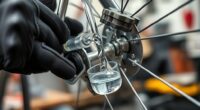
To swap your bike chain and check for wear, start by cleaning the old chain with a degreaser and measuring its length with a chain wear tool. Remove the old chain using a chain tool, then loop the new chain around your bike’s largest sprockets to determine the correct length, adding a couple of links. Connect the chain securely and adjust tension as needed. Properly maintained, your drivetrain will perform better—learn more to keep your bike in top condition.
Key Takeaways
- Use a chain wear tool to measure chain elongation and determine if replacement is needed.
- Remove the old chain by breaking the master link or chain pin with a chain tool.
- Loop the new chain around the largest chainring and sprocket, adding links for proper slack before cutting to size.
- Connect the new chain securely using a master link or chain pin, ensuring smooth operation through the drivetrain.
- Adjust derailleur limits and indexing after installation to ensure accurate shifting and proper chain tension.

Maintaining your bike’s chain is essential for smooth performance and safety, so knowing how to swap a chain and check for wear is critical. When your chain starts to show signs of wear, it can cause poor shifting, increased friction, and even damage to your drivetrain components. Before swapping the chain, you should clean and lubricate it properly. Use a degreaser to remove dirt and old lubricant, then apply fresh chain lubrication evenly along its length. Proper chain lubrication reduces friction and prevents premature wear, making your ride smoother and less taxing on your gears. Once your chain is clean and lubricated, you can assess whether it needs replacing. A simple way to check is by using a chain wear tool, which measures the elongation of the links. If the tool indicates excessive stretch, it’s time for a new chain to prevent damage to your cassette and chainrings.
When swapping your chain, make sure you have the right size and type for your bike. Remove the old chain using a chain tool, breaking the pin or link master. Before installing the new chain, double-check its length by looping it around the largest chainring and the largest sprocket, then adding a couple of links to account for slack. Connect the chain using the master link or chain pin, ensuring it’s securely fastened. After installation, it’s important to perform a derailleur adjustment to maintain smooth shifting. The derailleur guides the chain across the gears, and if it’s misaligned, shifting can become sloppy or noisy. Adjust the derailleur’s limit screws and indexing to match your new chain’s length, ensuring the derailleur moves precisely across all gears. Fine-tuning the derailleur alignment will optimize shifting performance and extend the lifespan of your drivetrain. Regularly inspecting your chain for signs of wear can also help prevent unexpected issues during rides.
Remember to revisit your chain regularly for signs of wear and keep it properly lubricated. Proper chain maintenance, including lubrication and derailleur adjustment, helps prevent unnecessary wear and keeps your bike running efficiently. When you swap your chain, you’re not just replacing a worn part; you’re restoring your bike’s smoothness and reliability. Doing this regularly will save you money in the long run by protecting your gears and drivetrain components. Keep tools like a chain wear indicator and a derailleur alignment screwdriver handy, so you’re prepared for routine maintenance. Staying attentive to your chain’s condition ensures safer rides, better gear shifting, and a more enjoyable cycling experience overall. Additionally, understanding how wave and wind conditions can impact your riding experience can help you plan maintenance and riding times more effectively.

Schwinn Sporterra RX Gravel Bike, 700c Mens and Womens Bike, 14-Speed Drop Bar Gravel Bicycle, Mechanical Disc Brakes, Rigid Fork, Aerodynamic Riding Position, Quick Release Seat Post, Adult Bicycle
GRAVEL BICYCLE: Enjoy next level riding with the Sporterra RX by Schwinn. With 700c wheels, this mens and...
As an affiliate, we earn on qualifying purchases.
Frequently Asked Questions
How Often Should I Replace My Bike Chain?
You should replace your bike chain every 2,000 to 3,000 miles, but check for chain stretch regularly. Use wear indicators or a ruler to measure elongation; if the chain stretches more than 0.5%, it’s time for a new one. Regular inspection helps prevent excessive wear on your cassette and chainrings, ensuring smooth shifting and prolonging the life of your drivetrain. Don’t ignore signs of wear—replace your chain promptly.
What Tools Are Needed to Swap a Chain?
To swap a chain, you’ll need a chain tool for chain removal and a master link plier if your chain has quick links. Also, keep chain lubrication in mind to guarantee smooth operation after replacement. You might want a rag to clean the derailleur and gear cassette, and possibly a torque wrench if your bike has specific tightness requirements. These tools make the process straightforward and help maintain your bike’s performance.
Can Chain Wear Affect Gear Shifting Performance?
Yes, chain wear can affect your gear shifting performance. When your chain experiences chain stretch, it doesn’t engage the gears properly, leading to gear slipping. This mismatch causes rough shifts and can damage your drivetrain over time. Regularly checking for chain wear helps you catch these issues early, ensuring smooth gear changes and prolonging the life of your cassette and chainrings. Keep an eye on chain stretch to maintain ideal shifting.
How Do I Properly Dispose of an Old Chain?
You might wonder how to dispose of an old chain properly. First, make sure it’s clean; give it a thorough chain cleaning and remove any residual lubricant. Once ready, don’t toss it in the trash—recycle it at a local hazardous waste or metal recycling center. This way, you keep the environment safe and avoid potential harm. Proper disposal not only clears your bike but also keeps your conscience clear.
Is It Necessary to Replace the Cassette When Changing the Chain?
Yes, you should replace the cassette if you notice significant chain stretch or cassette wear. When the chain stretches, it wears down the cassette’s teeth, causing poor shifting and increased wear on both parts. If you only replace the chain without addressing the cassette, you risk accelerating wear and reducing drivetrain efficiency. Inspect both components regularly and replace the cassette when it shows signs of wear to guarantee smooth, reliable performance.

SAVADECK Carbon Gravel Bike - T800 Carbon Frame & Fork | Shimano U6000 11-Speed Groupset | Hydraulic Disc Brakes | 700CX40mm All-Terrain Tires | Men & Women Road/Off-Road Bicycle (Gray, 53cm)
【Ultralight T800 Carbon Performance】: Featuring a premium T800 R21 carbon fiber frame and fork weighing just 10.4kg (22.92...
As an affiliate, we earn on qualifying purchases.
Conclusion
Keeping your chain in good shape isn’t just about smooth rides; it can extend your bike’s lifespan considerably. Did you know that a properly maintained chain can last up to three times longer than a neglected one? Regularly swapping your chain and checking for wear ensures peak performance and safety. So, make it a habit—your bike will thank you, and you’ll enjoy more reliable, enjoyable rides every time.

Schwinn Network 1 Hybrid Bike, 700c Mens and Womens Bike, 21-Speed Hybrid Bicycle, Aluminum Frame, Suspension Fork, Alloy Linear Pull Brakes, Adult Bicycle
HYBRID BICYCLE: Ride confidently on or off the pavement in the Network 1 by Schwinn. With 700c wheels,...
As an affiliate, we earn on qualifying purchases.
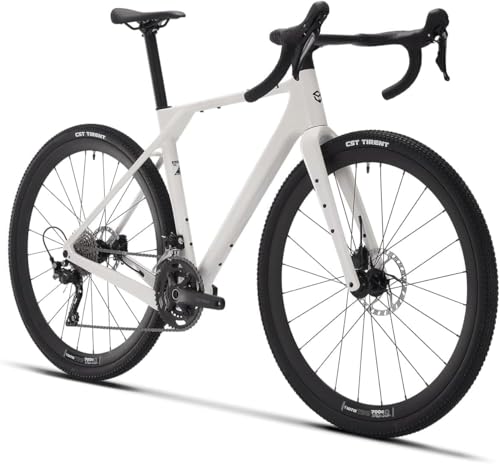
SAVADECK T800 Carbon Gravel Bike, with Shimano GRX610 12-Speed, Hydraulic Disc Brakes, 700x40c Tires for Road & Off-Road Adventure, Men's/Women's Bicycle(Elegant White, 51cm)
【With SHIMANO GRX Drivetrain Setup】Equipped with SHIMANO GRX610 shifters and RX822 rear derailleur, matched with a 12-speed M6100...
As an affiliate, we earn on qualifying purchases.